Before traveling to the Apennine Peninsula, one question inevitably arises: how can you experience Italy not as a spectator, but as a local? In this guide, we have put together an itinerary that reveals the country through its cities, customs, and atmosphere. Yet there is one more element that shapes the travel experience far more than it may seem at first glance — the place where you choose to stay.
We included Lungarno Collection boutique hotels in the itinerary for a reason. These hotels are not merely comfortable points on the map, but subtle guides to the urban culture around them. The collection was created by the Ferragamo family — the very name that gave the world one of Italy’s most iconic symbols of fashion and artisanal craftsmanship. Salvatore Ferragamo built his philosophy around the idea of beauty shaped by hand, respect for materials and details, and, above all, respect for the client — their lifestyle and individuality. Lungarno Collection embraces these values, translating them from the world of fashion into the realm of hospitality.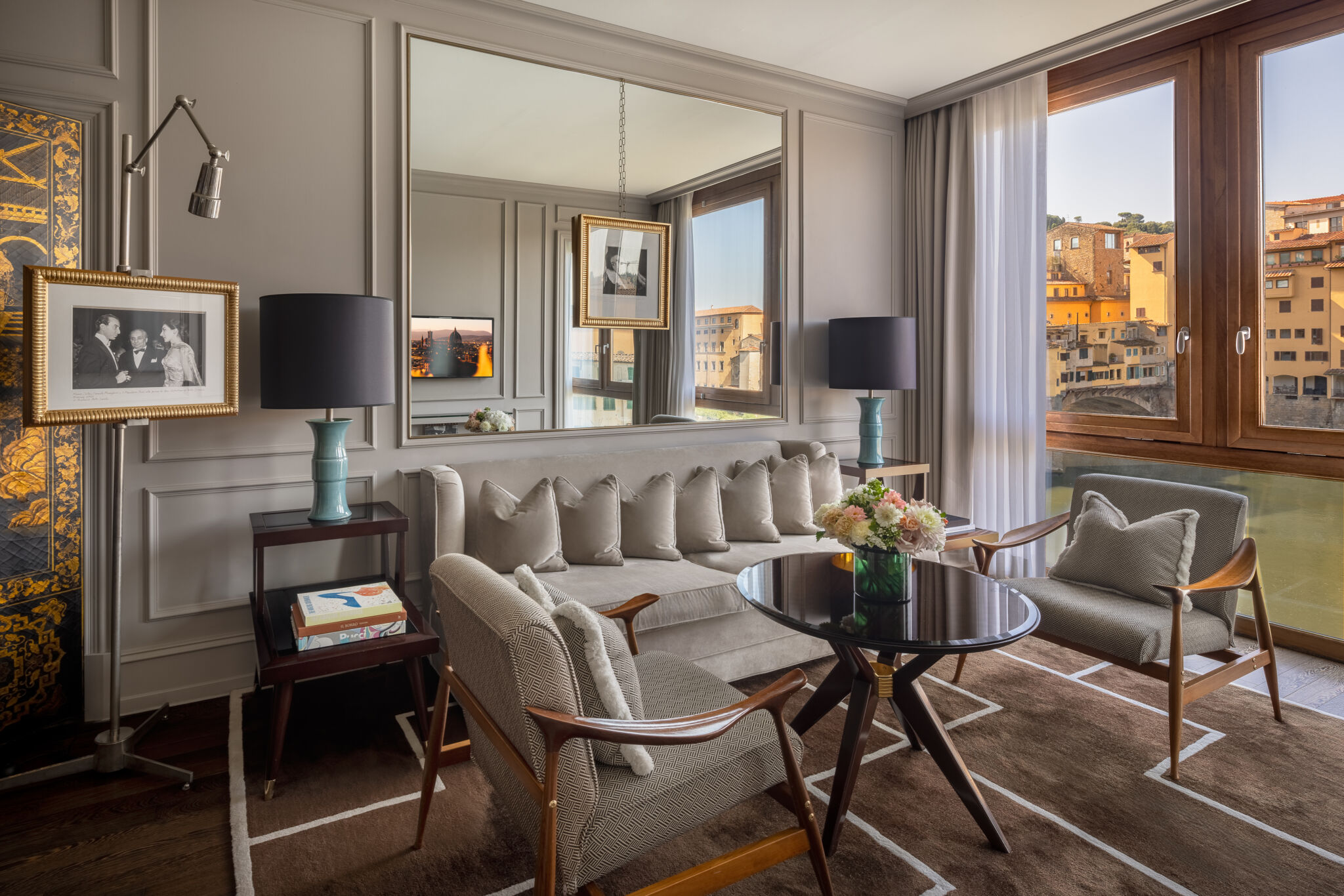 There is no ostentatious luxury here — only thoughtfully curated comfort, the emotion of close proximity to timeless values, and the feeling of a “home in the heart of Italy.” Each hotel in the collection seems to gently suggest how to slow down, sense the city, and attune yourself to its style and mood. They create an atmosphere in which past and present do not compete, but complement one another — something Ferragamo always mastered in his impeccable, and often revolutionary, creations.
 This is precisely why Lungarno Collection fits seamlessly into this itinerary — from Rome, poised between antiquity and modernity, to Florence, refined by art, and on to vibrant, pulsating Milan. An intermediate stop at Terme di Saturnia Natural Destination introduces an entirely different rhythm: thermal waters and the velvety serenity of the Tuscan hills offer the space to restore your energy and attune yourself to new impressions.
Rome: A City That Captivates at First Sight
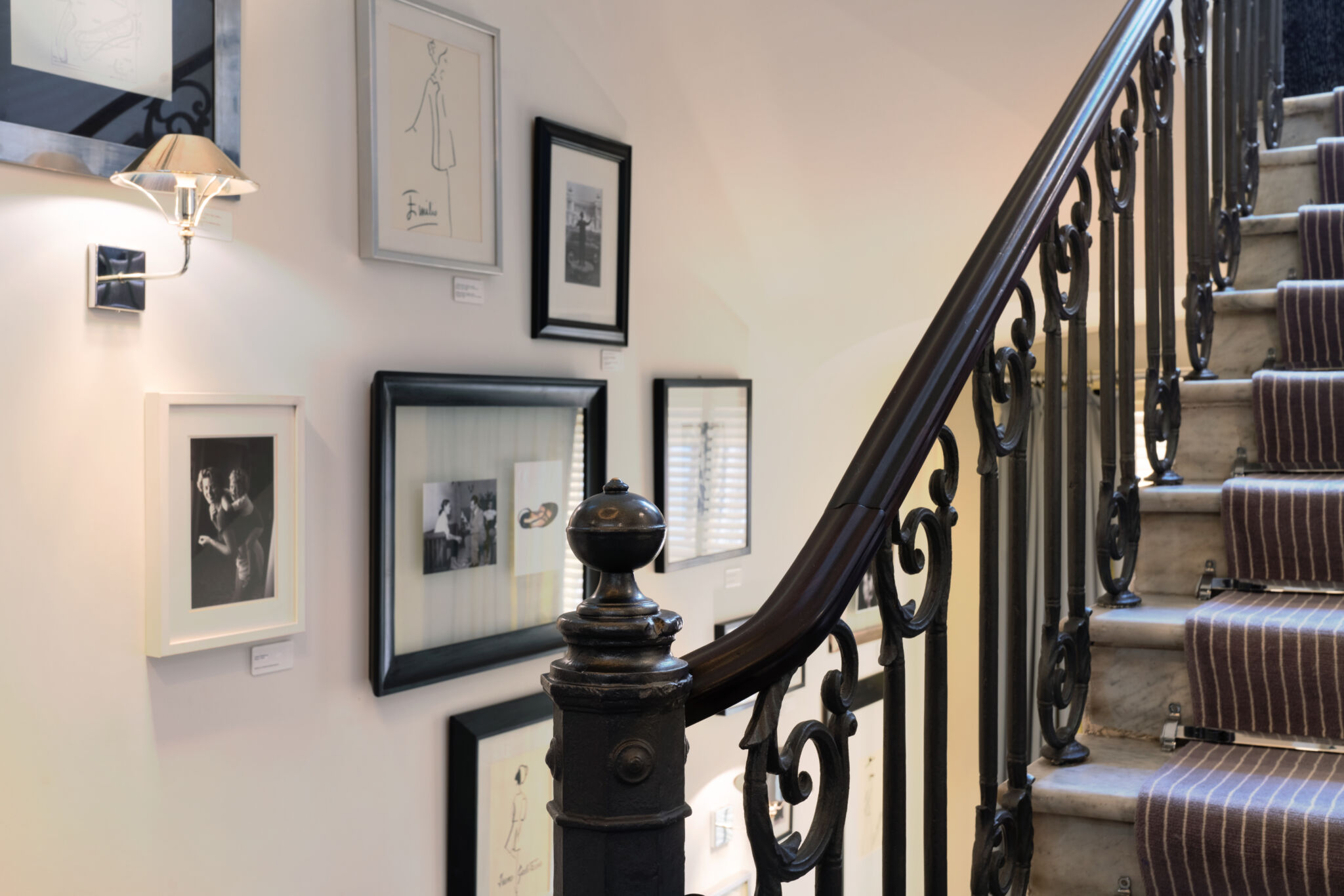
Rome cannot simply be seen — it must be felt. And to immerse yourself in the city’s atmosphere in just a single night, there is hardly a better choice than booking a stay at Portrait Roma. This is less a hotel than a discreet private residence overlooking Roman life. On one side lies Via Condotti, Rome’s most coveted street, where the windows of the world’s leading fashion houses gleam — including the flagship Ferragamo boutique — above which rise the 14 rooms and suites of Portrait Roma. On the other side is the hushed Via Bocca di Leone, from which two imposing wooden doors, adorned with a copper owl knocker, lead into the world of Salvatore Ferragamo: the maestro’s sketches, shoe lasts made for his legendary clients, and black-and-white photographs lining the staircase. Inside the suites, pearly-grey upholstery inspired by the art of tailoring meets powder-pink curtain linings reminiscent of silk scarves bearing the unmistakable Ferragamo signature; bathrooms are finished in Carrara marble. A host of thoughtful surprises from the Lifestyle Team complete the experience — among them a chocolate replica of the Spanish Steps, an elegant mini guide to the city, Roma: The Eternal City Guide, to take home, and a new Ferragamo fragrance. As in all Lungarno Collection hotels, Portrait Roma embodies refined restraint and understated chic, enlivened by playful accents of cream, pale grey, acid green, and the warm tones of wood and leather.
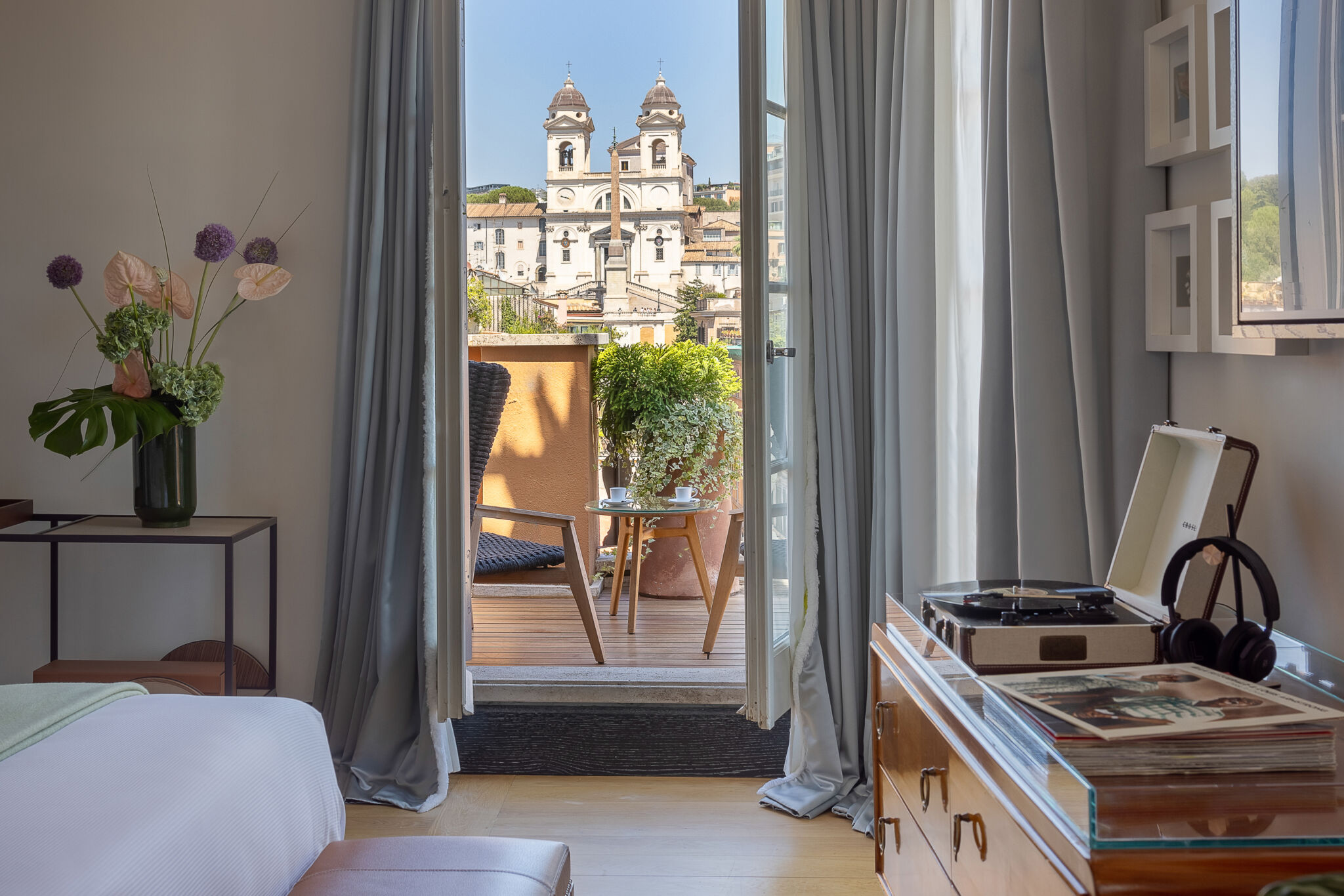
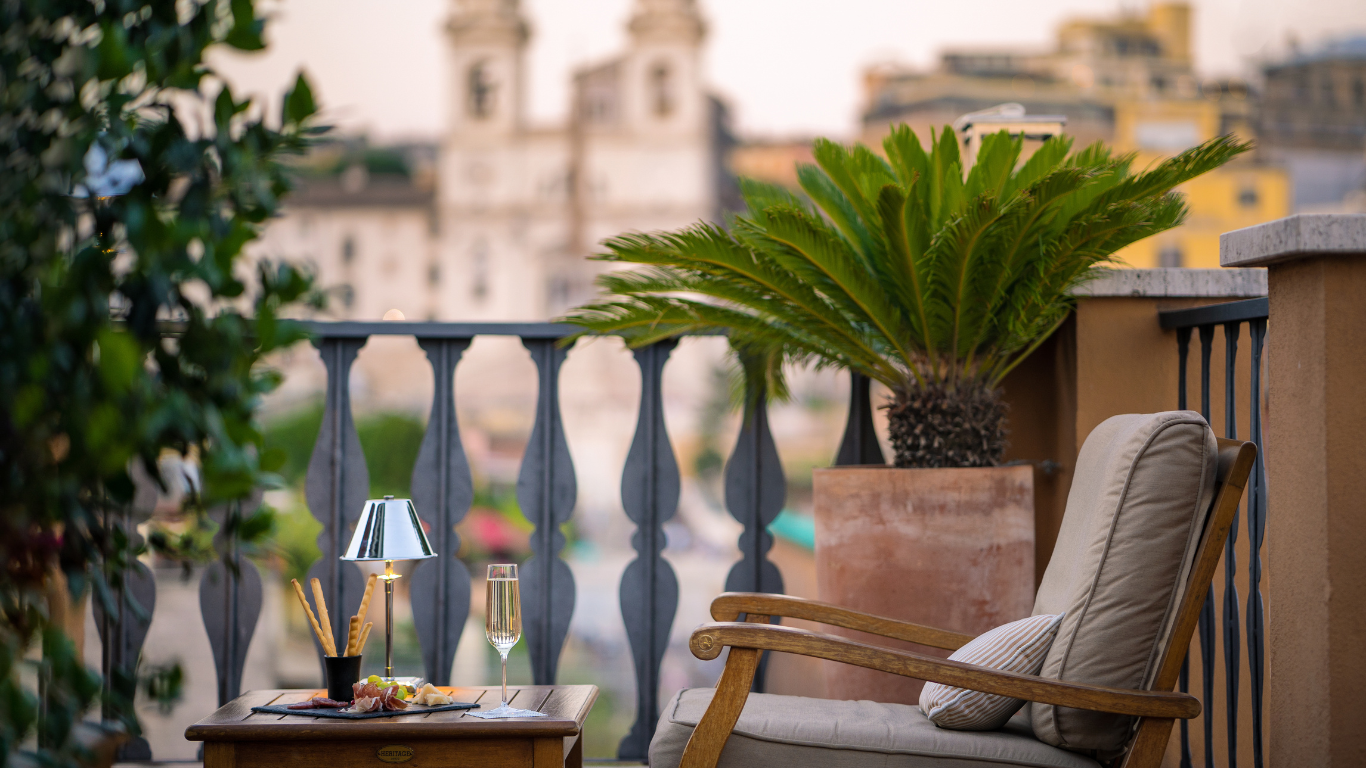
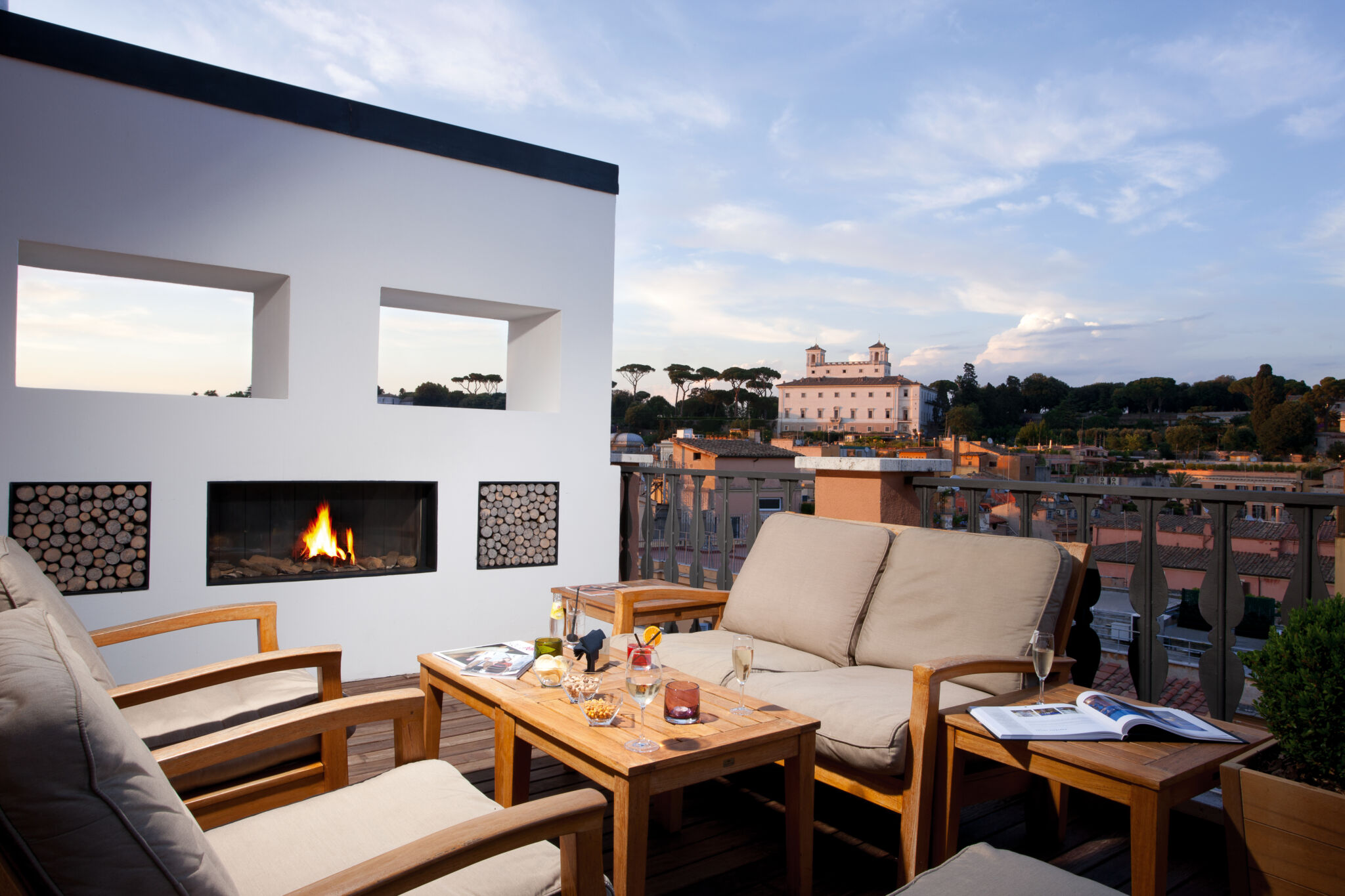
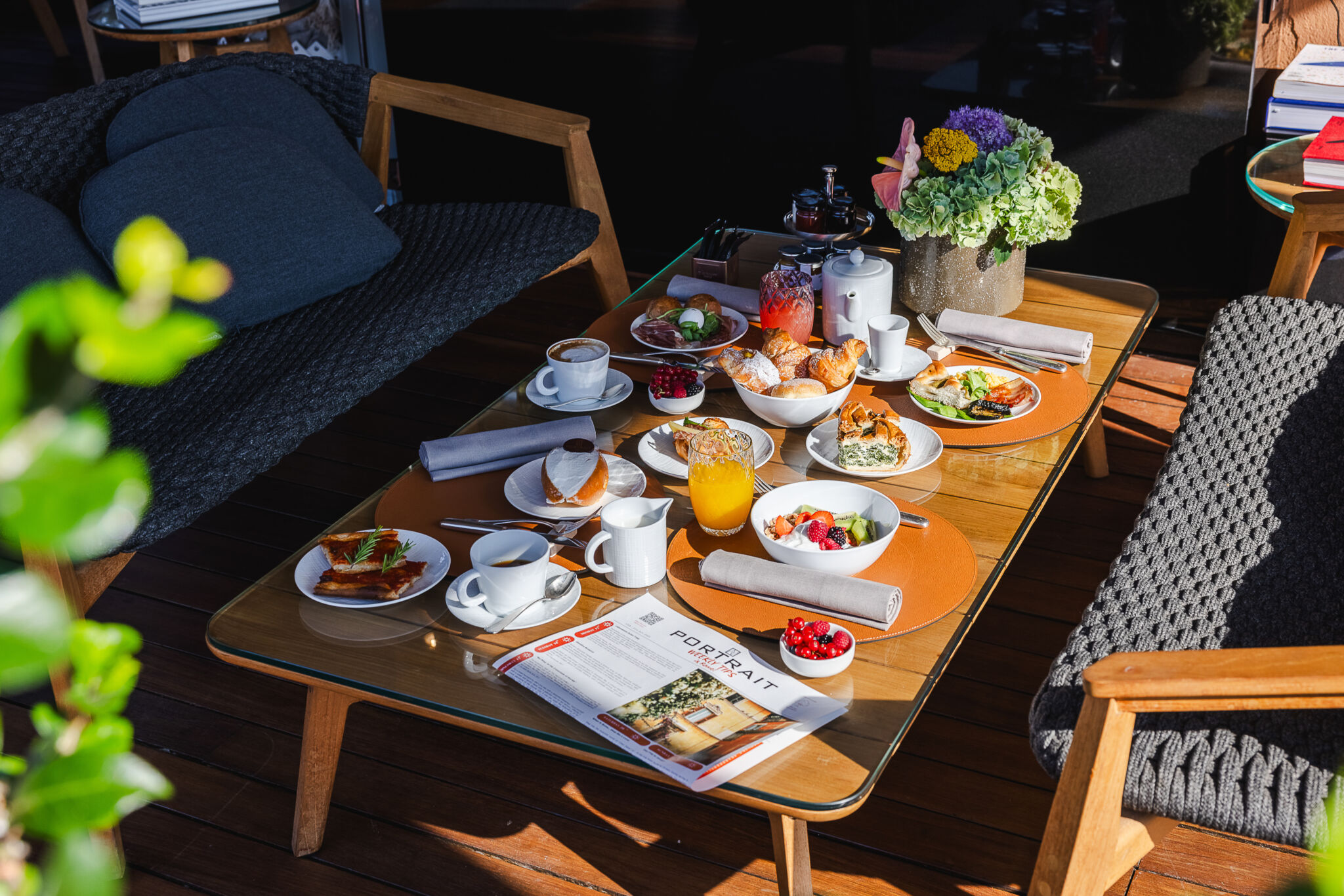
 Begin your day with breakfast on one of the panoramic terraces of the two-level Trinità dei Monti Suite, overlooking the French Church of Trinità dei Monti and the Villa Medici — a suite that even features its own gym and sauna. Or rise alongside the seagulls to the hotel’s secret terrace, accessible exclusively to Portrait Roma guests. Open the Weekly Tips newspaper to catch up on the Eternal City’s cultural highlights, order coffee brewed in a traditional Bialetti moka pot, and be sure to try a maritozzo filled with whipped cream — a pastry once used by Roman suitors to propose marriage. In the evening, settle in for an aperitivo by the fireplace, with sweeping views over the Eternal City.
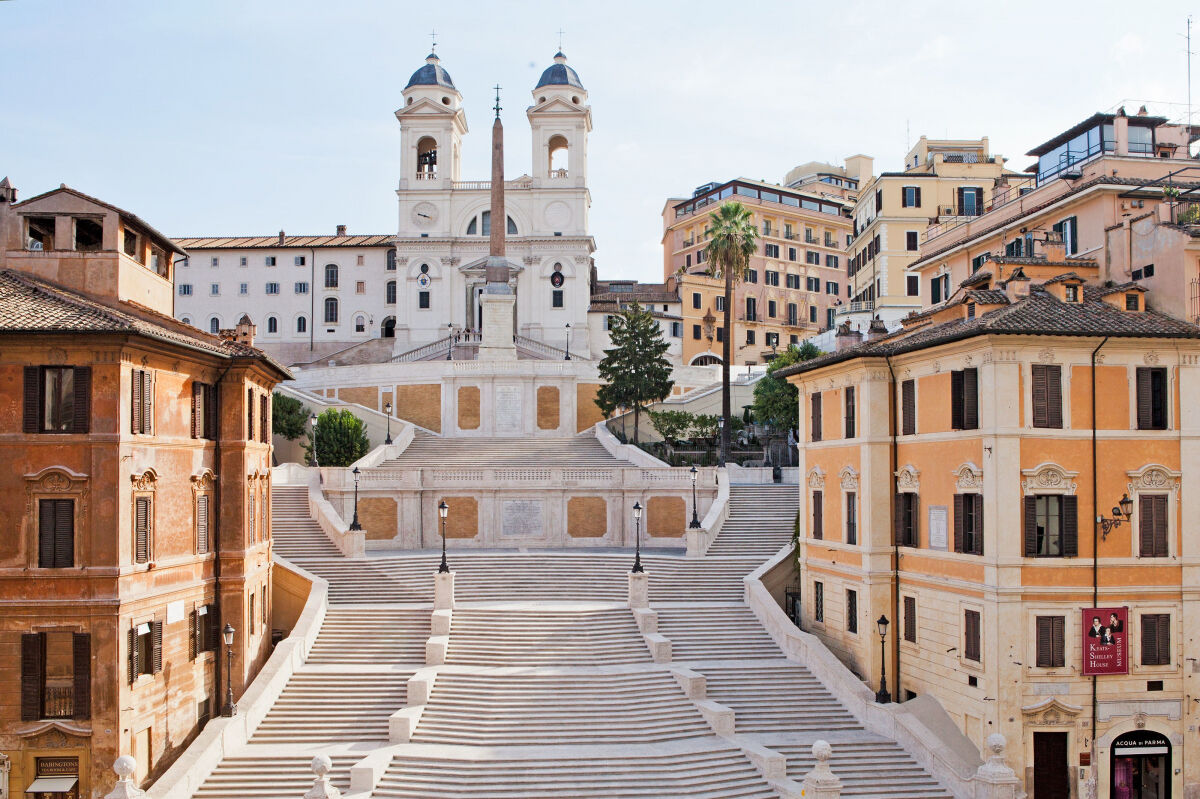
 Step outside the doors of Portrait Roma and you find yourself immediately at the very heart of the city: the Spanish Steps are just a few steps away, while narrow streets — where tourists and locals blend into one Roman carousel — lead off in every direction. Follow Via del Babuino and you will arrive at Piazza del Popolo, home to the Flaminian Obelisk, more than 3,400 years old, and from there continue on to the enchanted gardens of Villa Borghese. If your time in Rome is limited, we recommend arranging an engaging golf-cart tour with the hotel’s Lifestyle Team — an ideal way to take in the city’s highlights in one seamless experience, from Castel Sant’Angelo and the bridges spanning the Tiber to St Peter’s Basilica and the Colosseum.
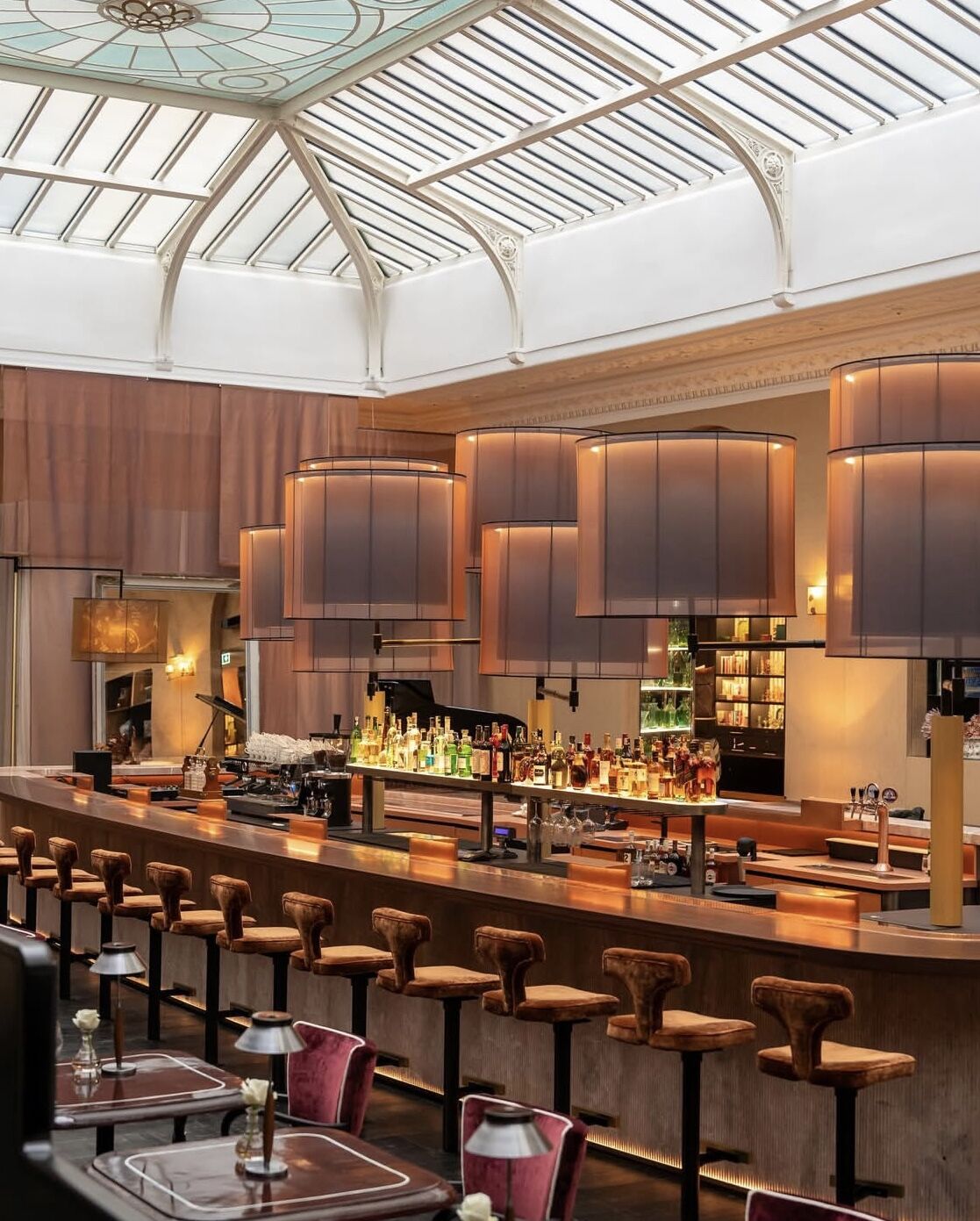
 For dinner, be sure to stop by La Mangiare — a small, intimate spot where classic Roman dishes such as cacio e pepe are interpreted with a contemporary touch, yet without sacrificing tradition. It is here that one truly understands why cuisine is Italy’s universal language — no wonder Italian food has been recognized by UNESCO as part of the world’s Intangible Cultural Heritage. Alternatively, head out for an aperitivo or a stylish dinner at the recently opened La Ménagère Rome (the name translates from French as “housekeeper”). Located just a five-minute walk from Portrait Roma, this multifaceted project brings together a homeware boutique, bookstore, concept store, bar, restaurant, nightclub, and a space for creative gatherings — all under one roof, housed within a meticulously restored Roman guild building.
Tuscany: The Living Waters of Saturnia
After the vibrant, event-filled pace of Rome, Tuscany offers a welcome pause. The thermal resort Terme di Saturnia Natural Destination — a place where every detail encourages you to slow down and reconnect with nature — is located less than two hours’ drive from the city.
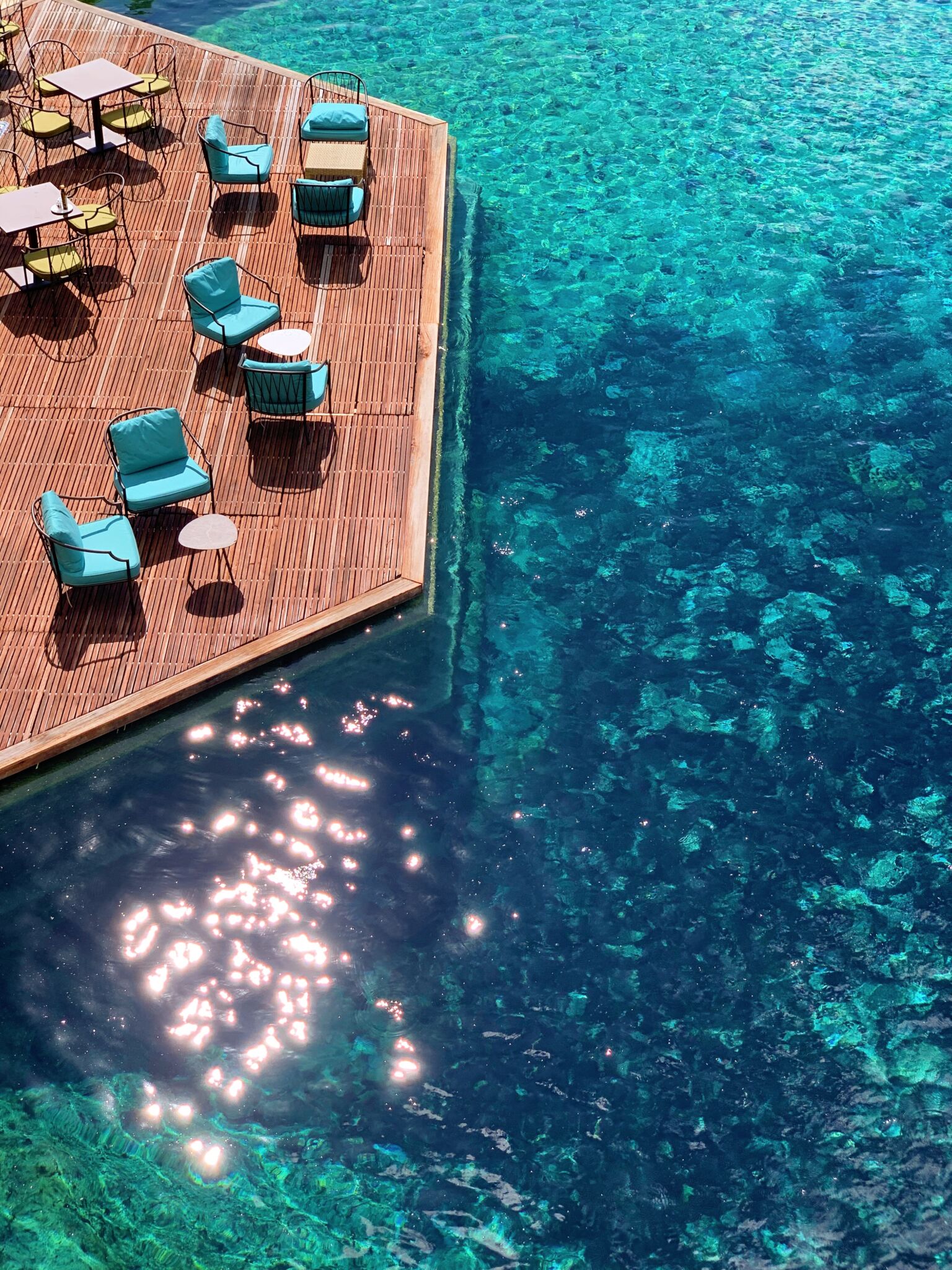
 Over its century-long history, the resort has become one of Tuscany’s iconic destinations, thanks to the unique thermal waters that fill its natural pool — around which the entire life of the hotel revolves. For forty years, the water is naturally enriched with minerals deep within Monte Amiata before emerging at the heart of Terme di Saturnia, maintaining a constant temperature of 37.5°C year-round (guests can even swim in the resort’s pool during autumn and winter, thanks to a special covered tunnel leading from the relaxation area). The healing properties of Saturnia’s thermal waters have been known for over 3,000 years and are now used in hydrotherapy as well as treatments for the skin, cardiovascular system, and musculoskeletal health. Additionally, the precious bio-plankton that forms on the surface of the thermal pool, together with the water itself, forms the basis of the Active Beauty cosmetic line — the foundation for all treatments offered at the Terme di Saturnia spa.
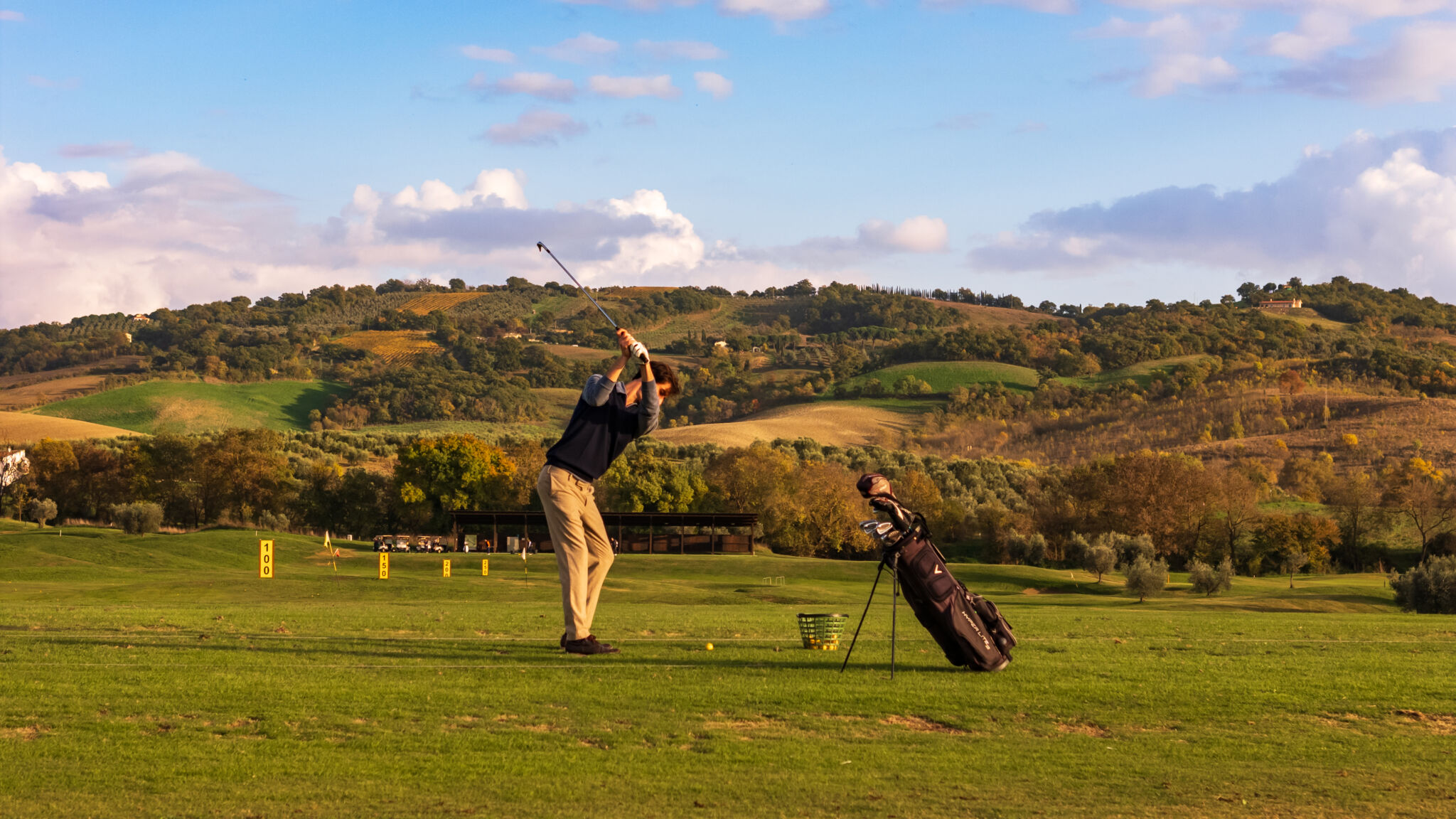
 If, after a thermal bath or spa treatment, you feel like returning to a more active pace, Terme di Saturnia Natural Destination offers a magnificent 18-hole golf course spanning 70 hectares, perfectly integrated into the Tuscan landscape. In the mornings, you may even spot deer and wild boar, hear the songs of local birds, or admire otters and proud grey herons in one of the resort’s ponds.
 Evenings are best spent at Ristorante 1919, named after the year the resort was founded, sampling the finest local wines — such as Morellino di Scansano — while overlooking the thermal spring, from which gentle plumes of steam rise. Alternatively, enjoy a cozy meal at the La Stellata Trattoria, perched on one of the golf course’s hills, where excellent cuts of meat from local farms are served.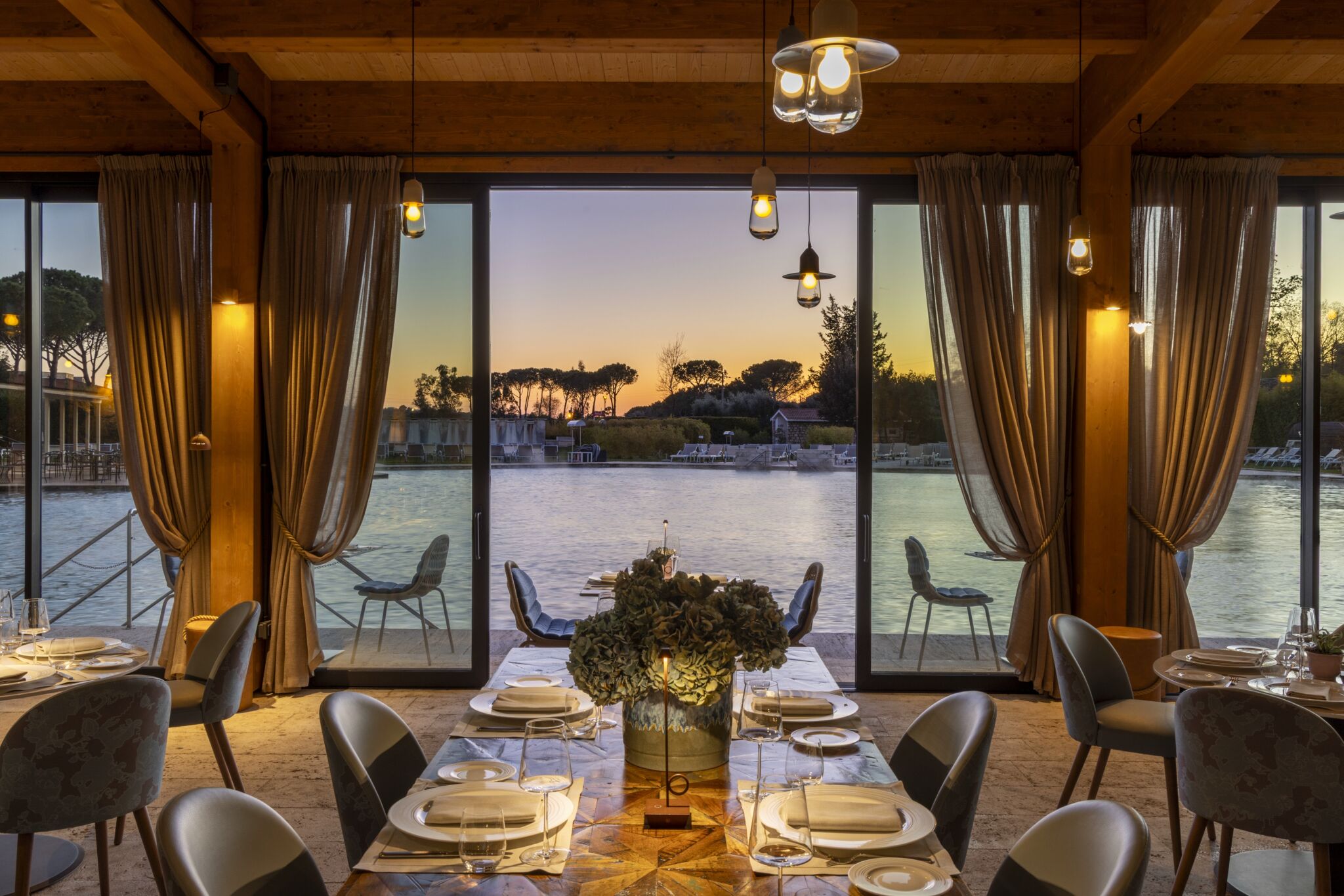
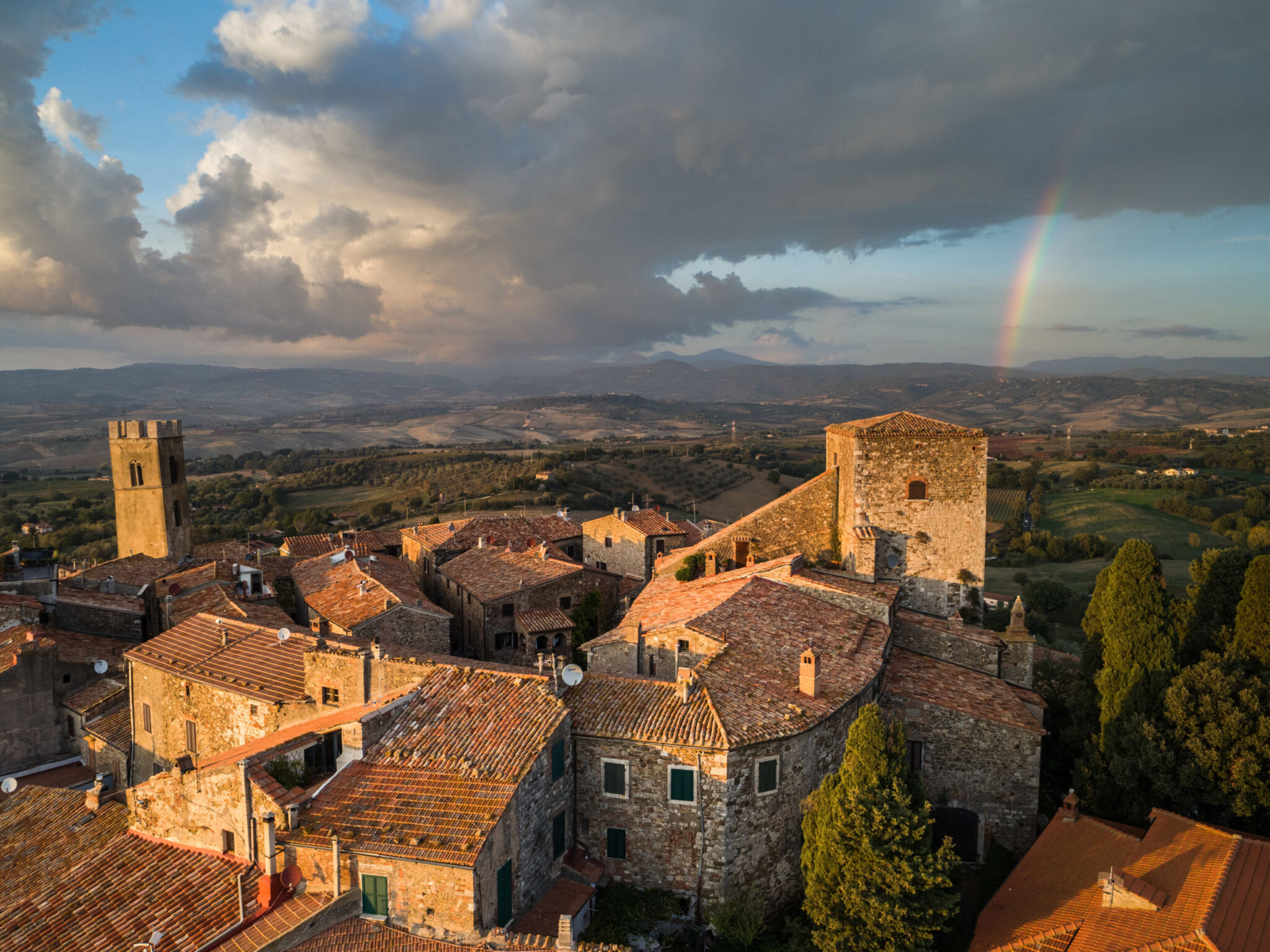
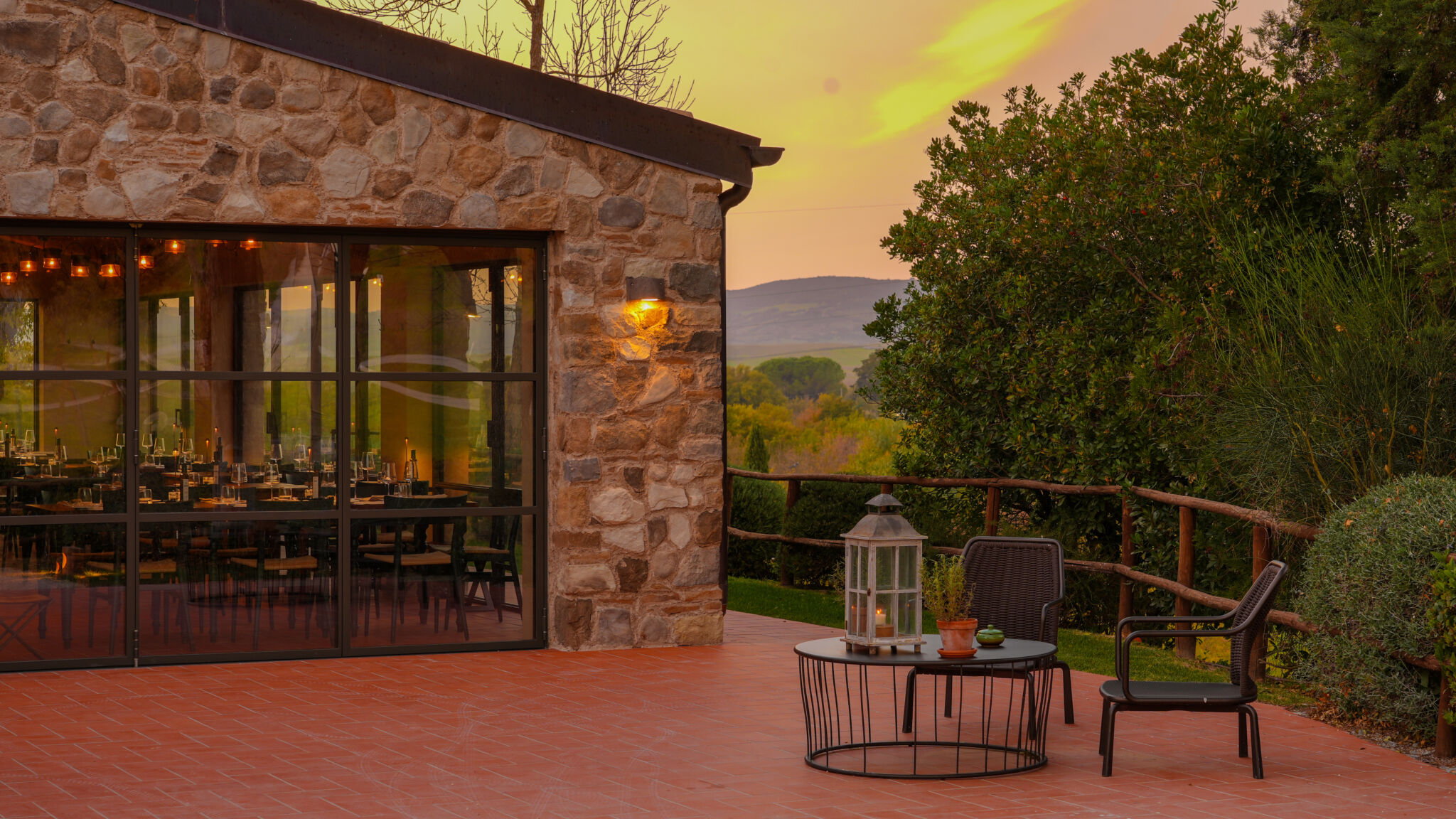 From Terme di Saturnia, it’s easy to reach the ancient Etruscan towns: Pitigliano, perched atop a tuff pedestal once called the “Italian Jerusalem,” with its winding streets, Medici aqueduct, and the Dukes of Orsini castle; or wander the lanes of tiny Montemerano, home to the Michelin two-star restaurant Caino. Alternatively, set off on an electric bike — available for rent at the hotel reception — and explore the rolling hills of Maremma in search of the perfect sunset.
 Florence: Renaissance in Every Frame
In Florence, the past literally materializes around every corner and along every riverside. The surrounding beauty feels so effortless that it becomes part of everyday life. Staying at Portrait Firenze means waking up just steps from the jewelers’ bridge, Ponte Vecchio, and watching the city come alive at dawn while never truly sleeping at night.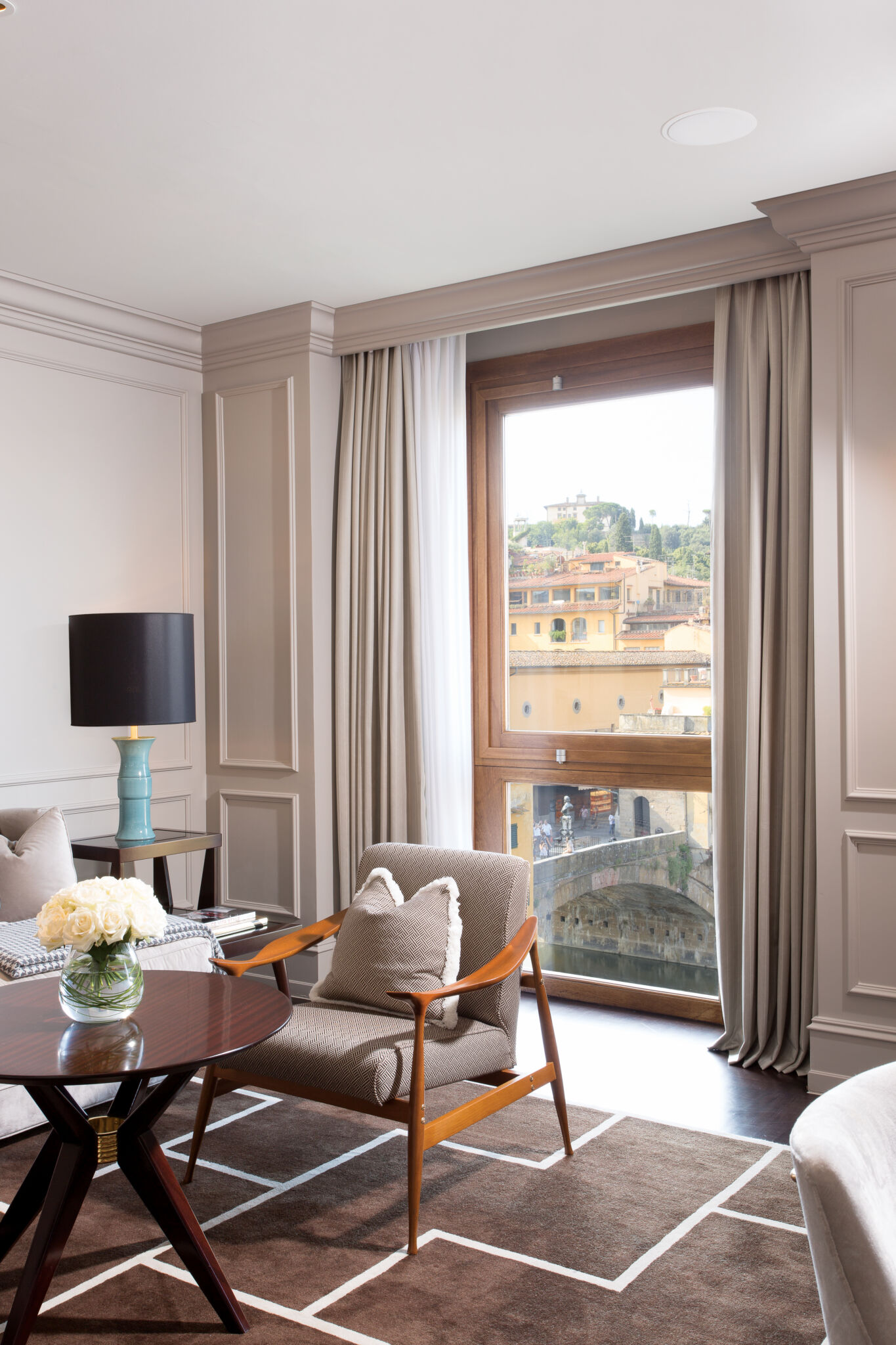
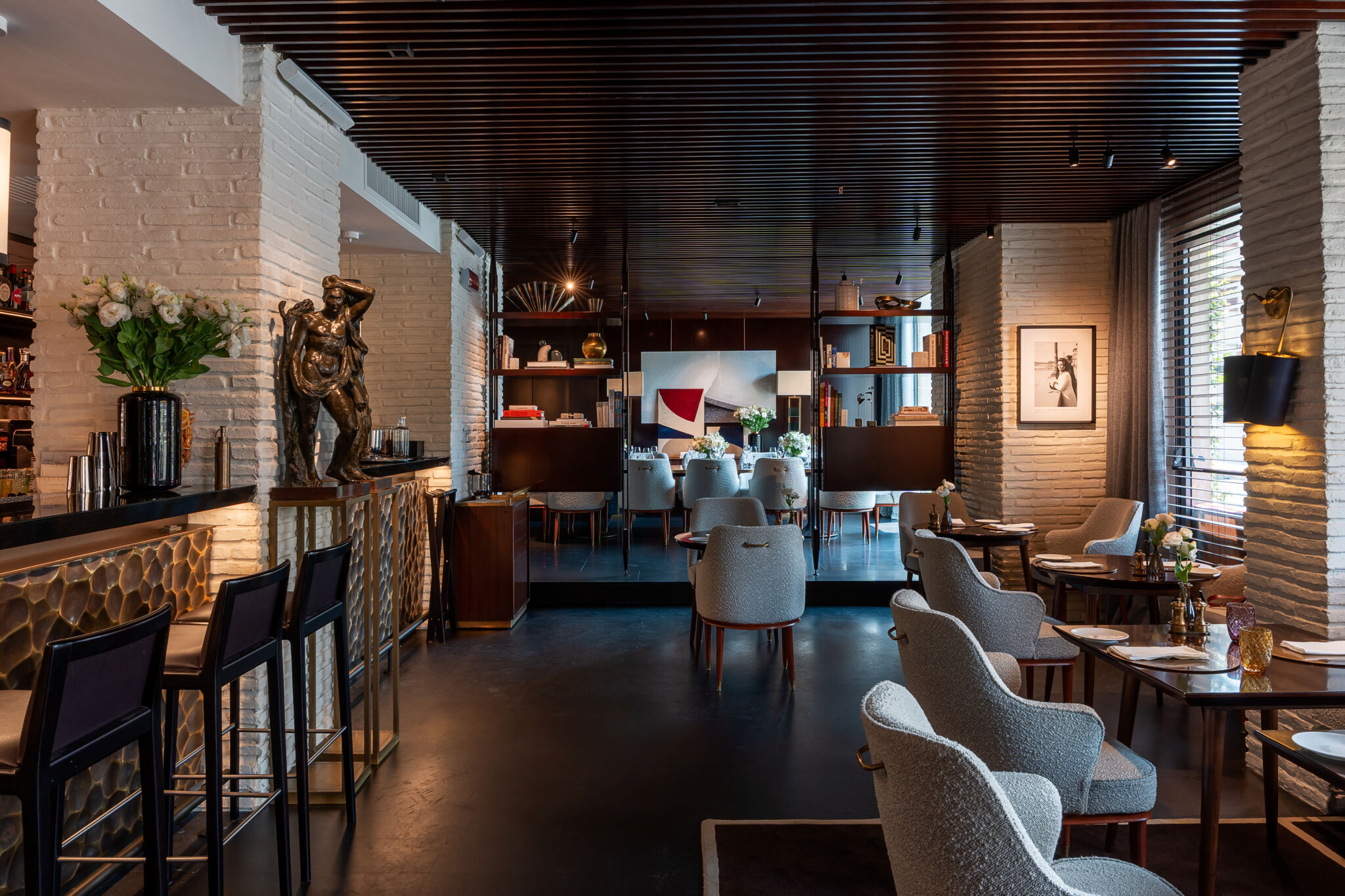
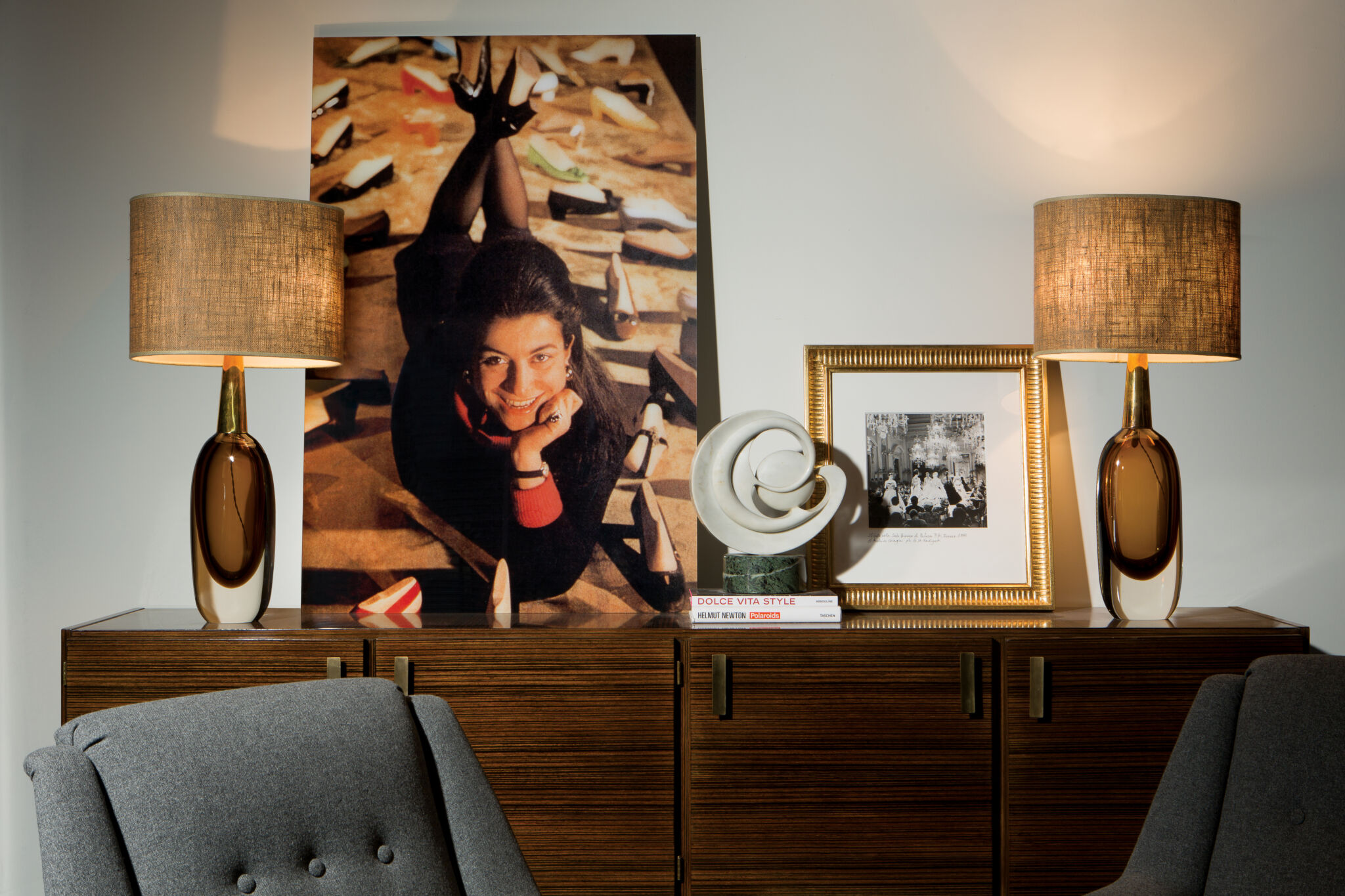 Guests at Portrait Firenze enjoy a special privilege: no need to jostle with tourists along the Arno River to capture the perfect shot of one of Florence’s iconic landmarks. Instead, they can simply admire it in the morning, from the comfort of their own bed, or from a private terrace, savoring a cup of espresso wrapped in a cashmere throw. Alternatively, they can relax on the coral-colored sofa of Caffè dell’Oro, the hotel’s restaurant terrace, which overlooks the pedestrian section of the riverbank.
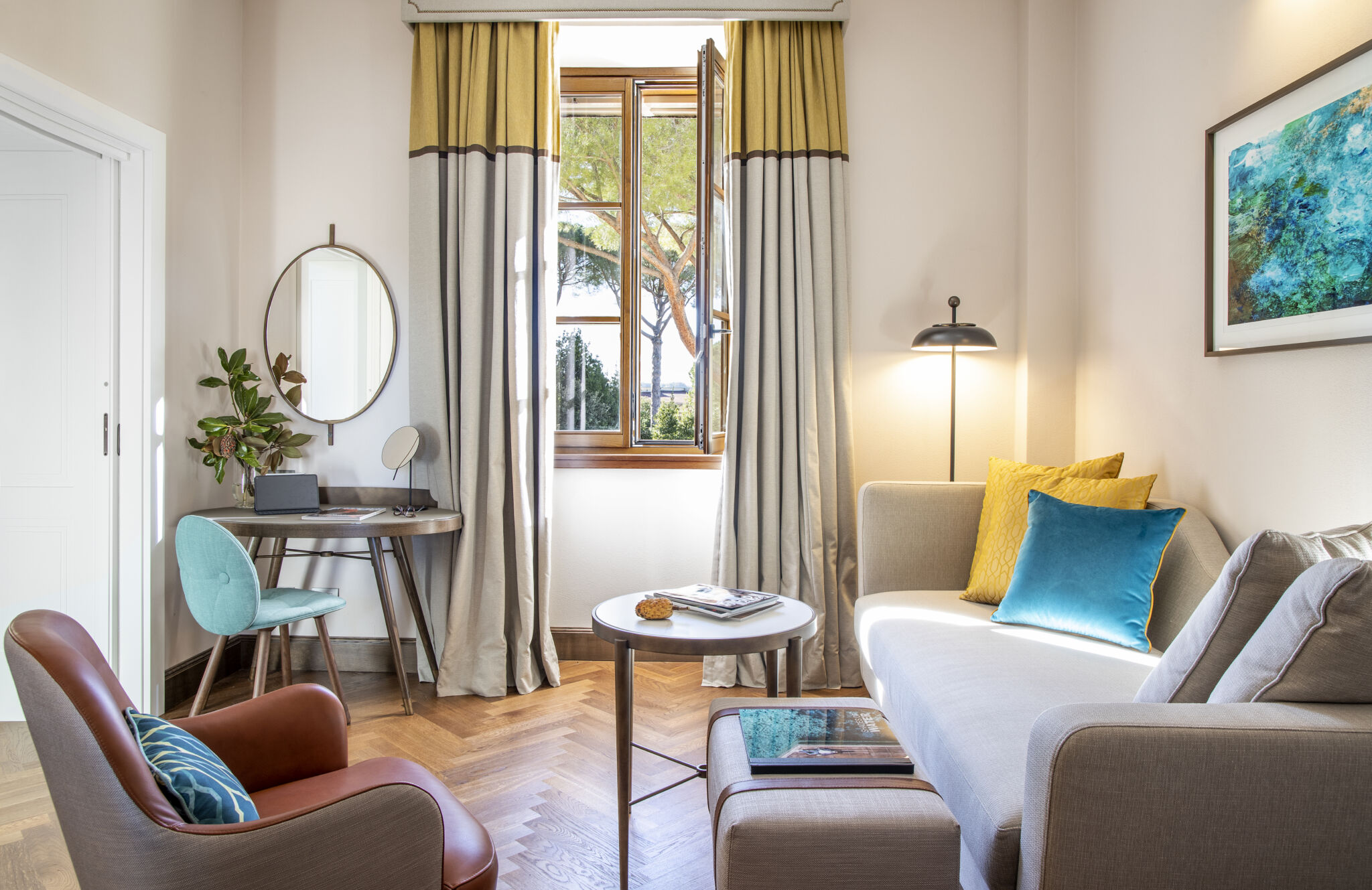
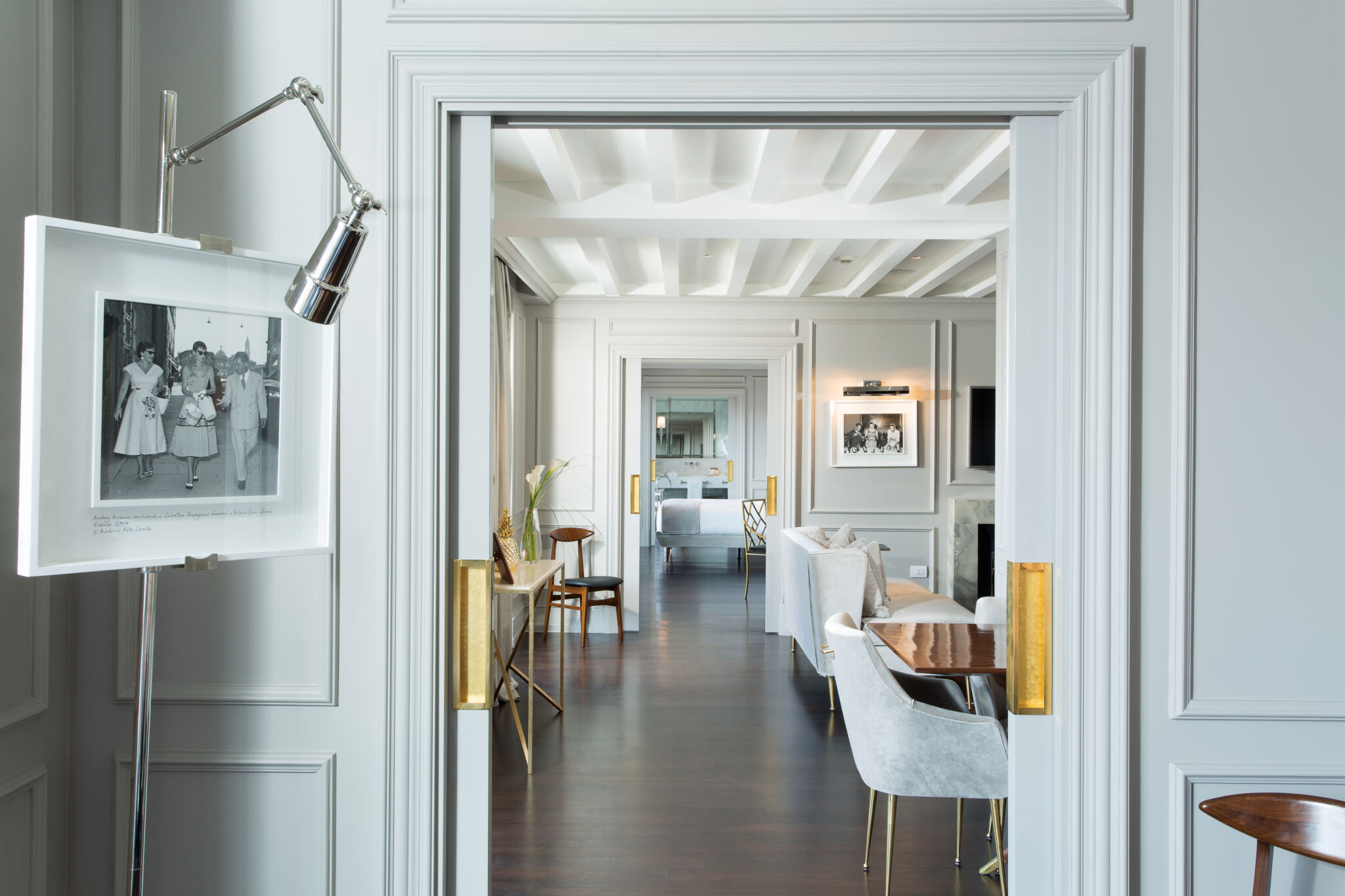
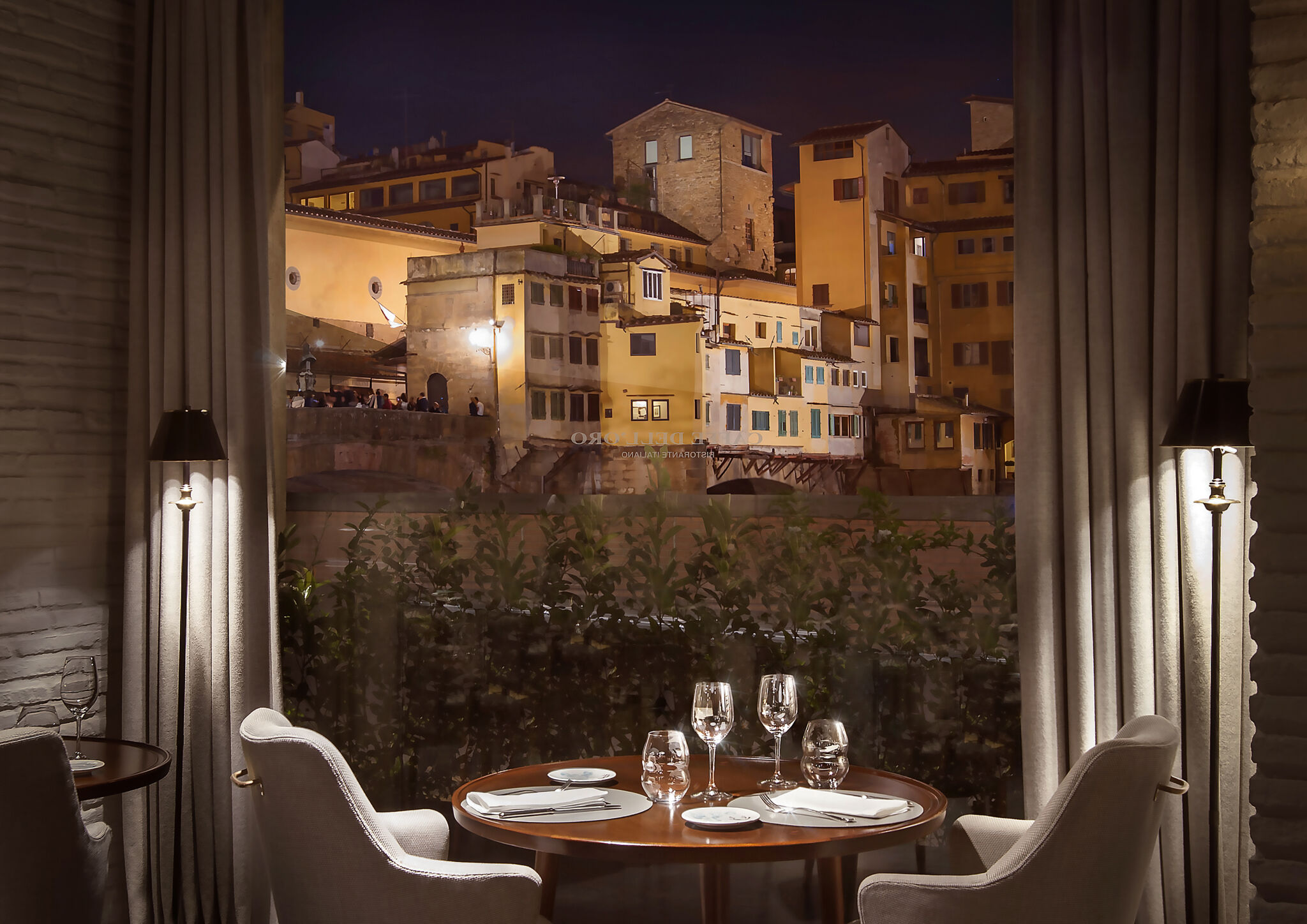 In creating 37 stylish suites, architect and designer Michele Bonan drew inspiration from the traditions of Florentine artisans. The intellectual simplicity of classical design and modern lines is complemented by collectible fabrics and natural materials such as linen and cashmere, wood, and leather. Jewel-like details, chinoiserie-style screens, splashes of turquoise, the nobility of gold, and, of course, views of the Arno River from the terraces make every day at Portrait Firenze truly special. Bonan combined matte grey and shimmering grey tones in the interiors — specialists searched through hundreds of shades to find the perfect grey — with bitter-chocolate-colored wooden floors, steel, and matte gold accents. He “hunted” for fabrics that would feel warm and pleasant to the touch, ensuring that every material contributes to a sense of comfort and refined elegance.
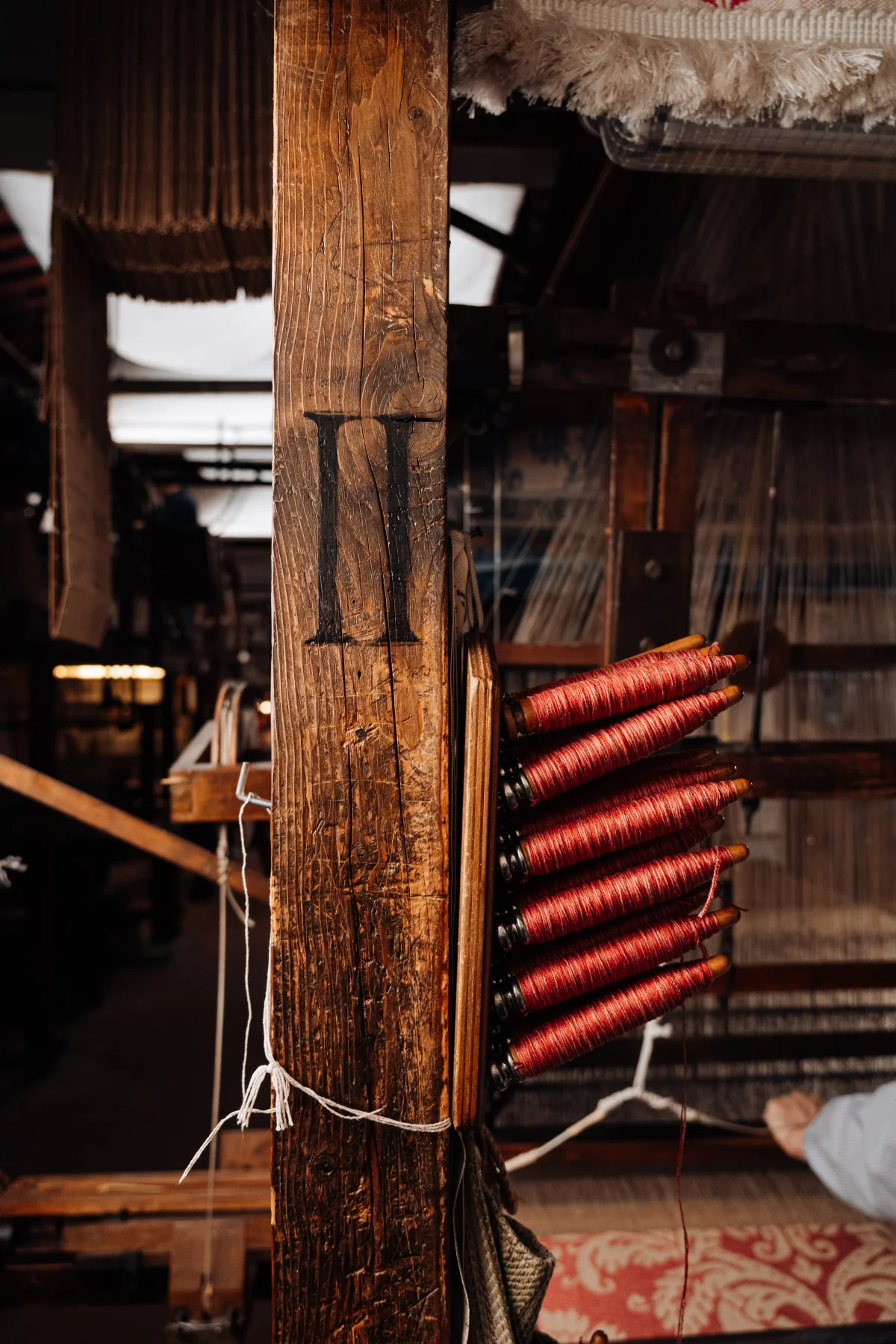
 If you wish to discover how Florentine artisans worked — and continue to work — have the Lifestyle Team arrange a visit to Antico Setificio Fiorentino, a weaving workshop established in 1786. Owned by the Stefano Ricci family, it produces rare fabrics on 17th- and 18th-century hand looms. The workshop even houses a spool-winding machine invented by Leonardo da Vinci. Here, they craft textiles such as damask silk, broccatelli, and lamassi for noble Florentine families, flags for the Palio di Siena, and even fabrics for the Pope’s garments. Famous tenor Andrea Bocelli has performed in jackets made from these exquisite textiles.
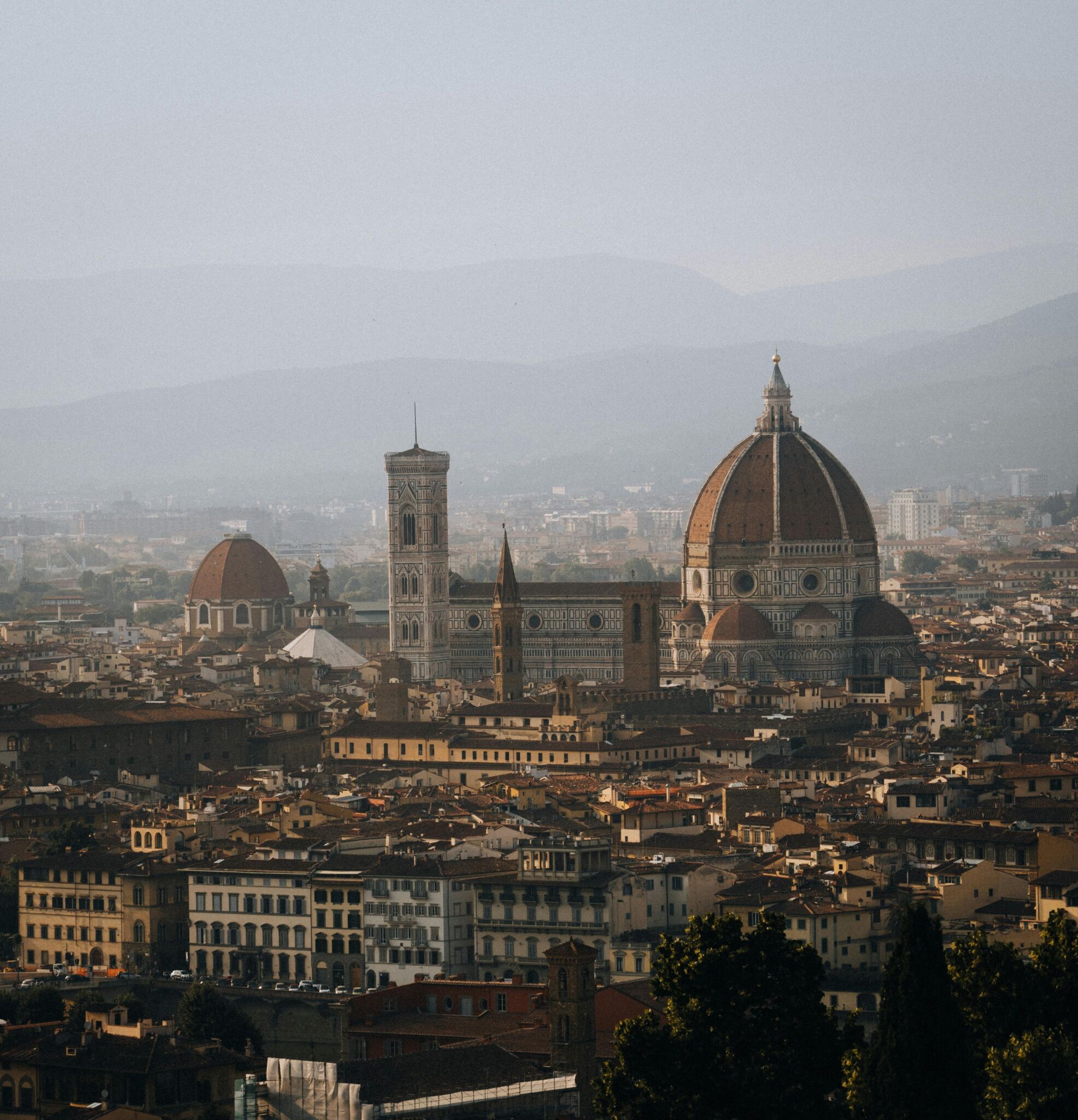
 In Florence, history and art accompany you at every turn: the Uffizi Gallery, where, in addition to masterpieces by Leonardo da Vinci, Botticelli, and Michelangelo, you can see a gallery of over 600 self-portraits by famous artists, previously displayed in the Vasari Corridor (opened to the public in 2024); the Medici Chapel, with Michelangelo’s later works; Palazzo Vecchio; the whimsical Boboli Gardens; and the awe-inspiring Santa Maria del Fiore Cathedral, whose sheer scale and beauty invite endless wandering through the city.
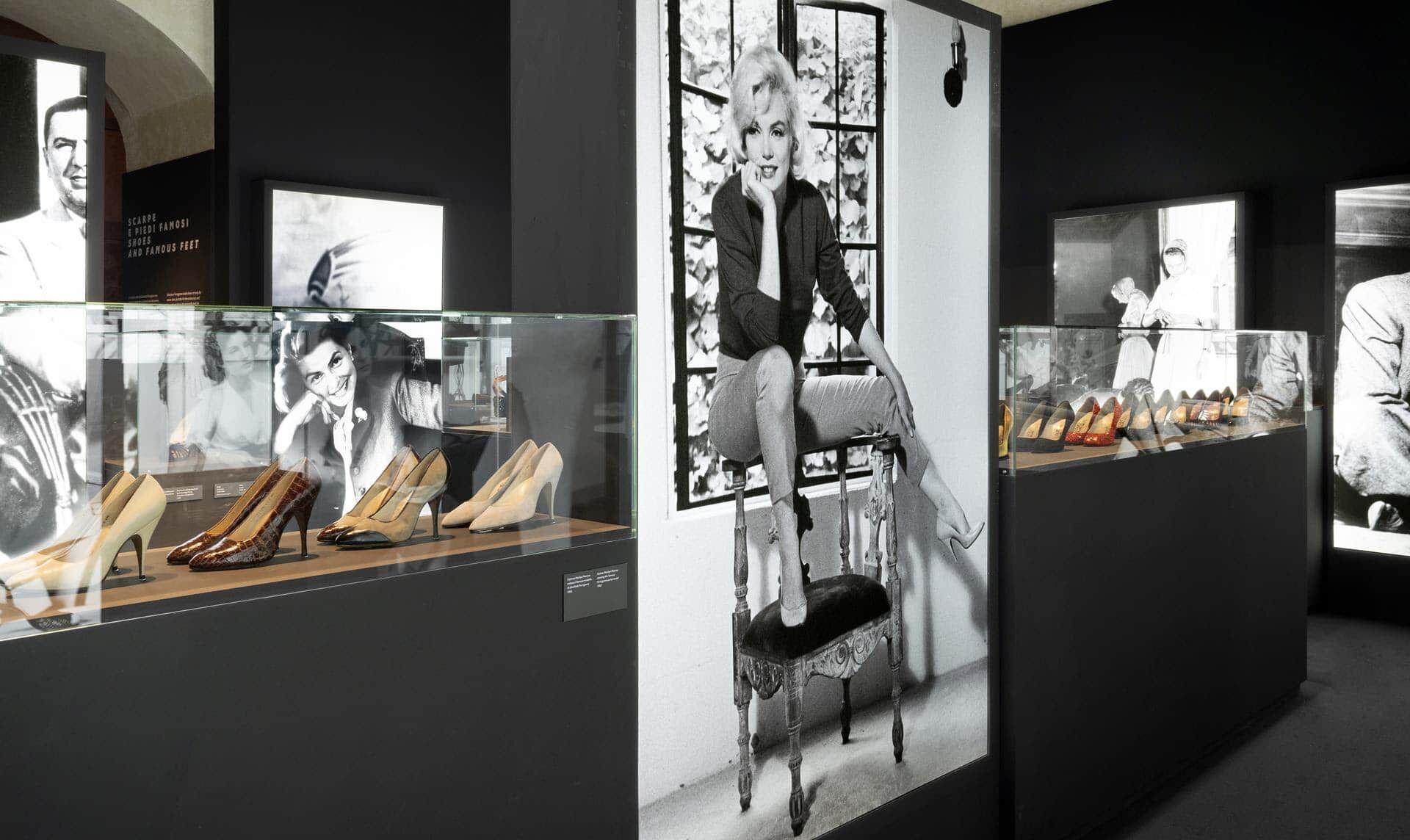
 But if you wish to experience another side of Florence, be sure to visit the Salvatore Ferragamo Museum — especially since guests of Portrait Firenze receive complimentary tickets. Through next year, the museum is hosting a retrospective of the maestro’s work: the designer who created shoes for Marilyn Monroe, Audrey Hepburn, Grace Kelly, Marlene Dietrich, and even for Red Cross nurses; who experimented with unusual materials such as fish skin and fishing line; who held hundreds of patents and elevated shoemaking to a true art form.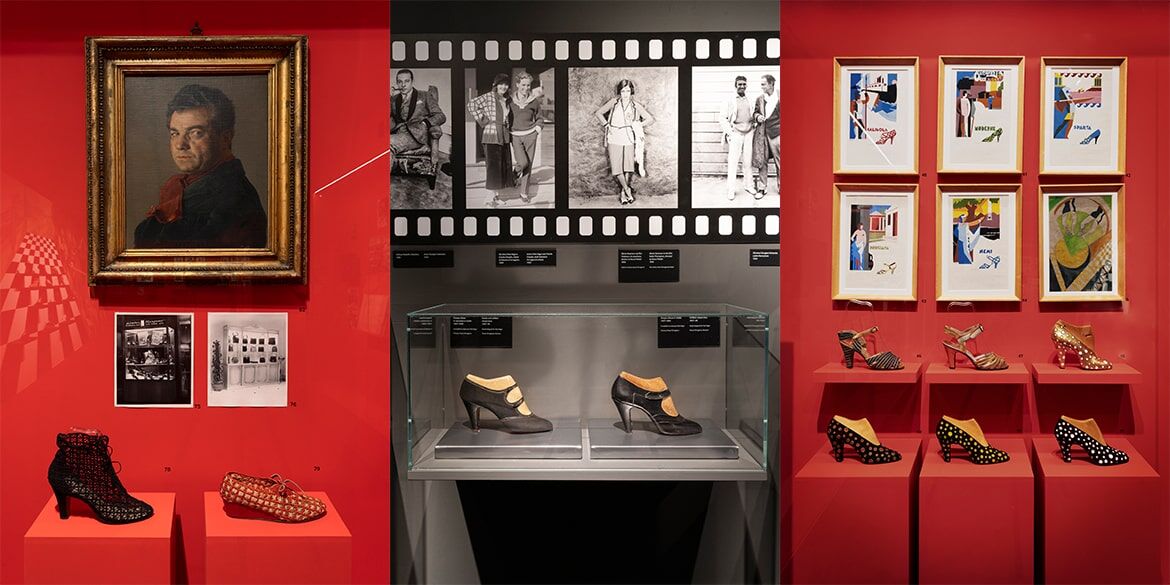
 Milan: A Style That Sets the Rhythm of Life
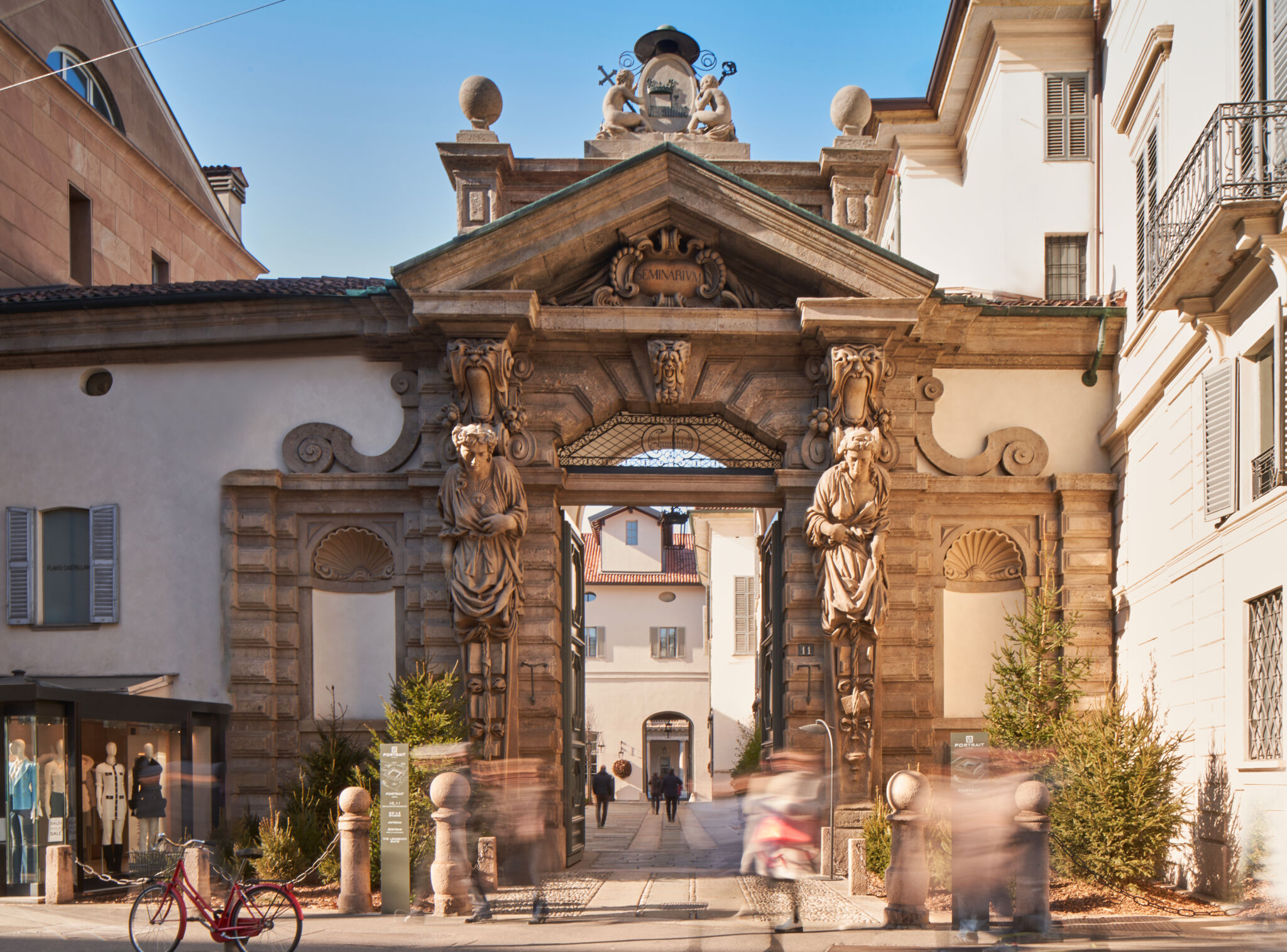
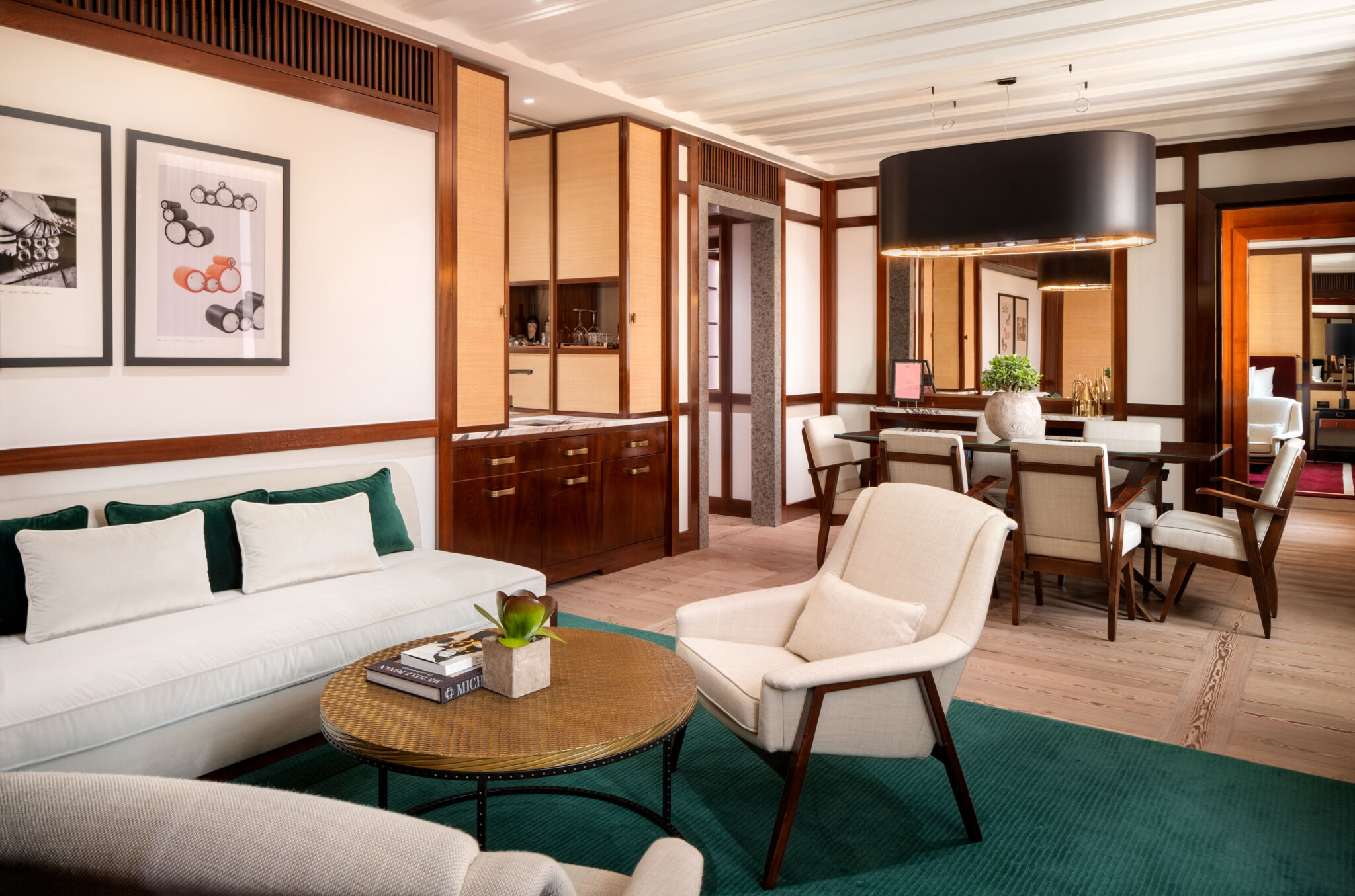
Finally, we arrive at the last stop of our journey. The energy of Milan is truly overwhelming after the serene pace of Tuscany. It is a city that is constantly evolving, yet always confident in its style. The grand Portrait Milano, occupying almost an entire block between Corso Venezia and the Fashion Quadrangle, reflects the full spectrum of Milanese moods: the desire to be at the center of events while cherishing the luxury of privacy, the ability to remain true to one’s own style while connecting effortlessly with bold designers and creators. At Portrait Milano, you arrive under the watchful eyes of giants atop a majestic Lombard Baroque portico, built by Francesco Maria Ricchini, one of the architects of the Milan Cathedral. In the morning, breakfast comes with views of a secluded private garden, hidden behind the walls of the former Archbishop’s Seminary, now home to the hotel.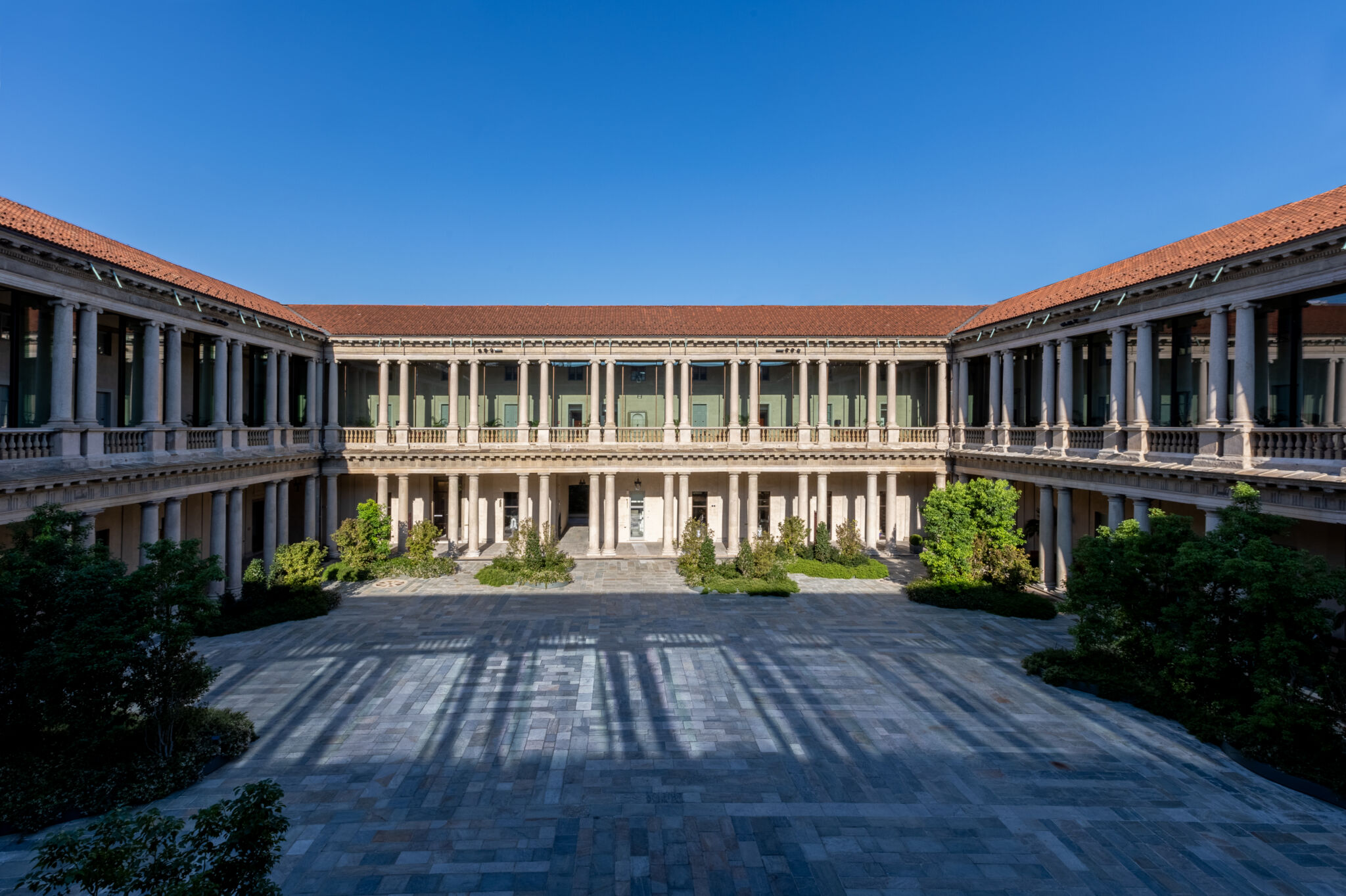
 Breakfasts at the hotel’s main restaurant, 10_11, were recently awarded “Best Hotel Breakfast in Italy”, so don’t miss the chance to indulge in the pastry creations of Chef-Pâtissier Cesare Murzilli, or to craft your own juice from a basket of seasonal fruits and vegetables. Interestingly, Murzilli’s pastry artistry and fashion have inspired his Cake Couture collection — cakes designed after iconic historical pairs of Salvatore Ferragamo shoes.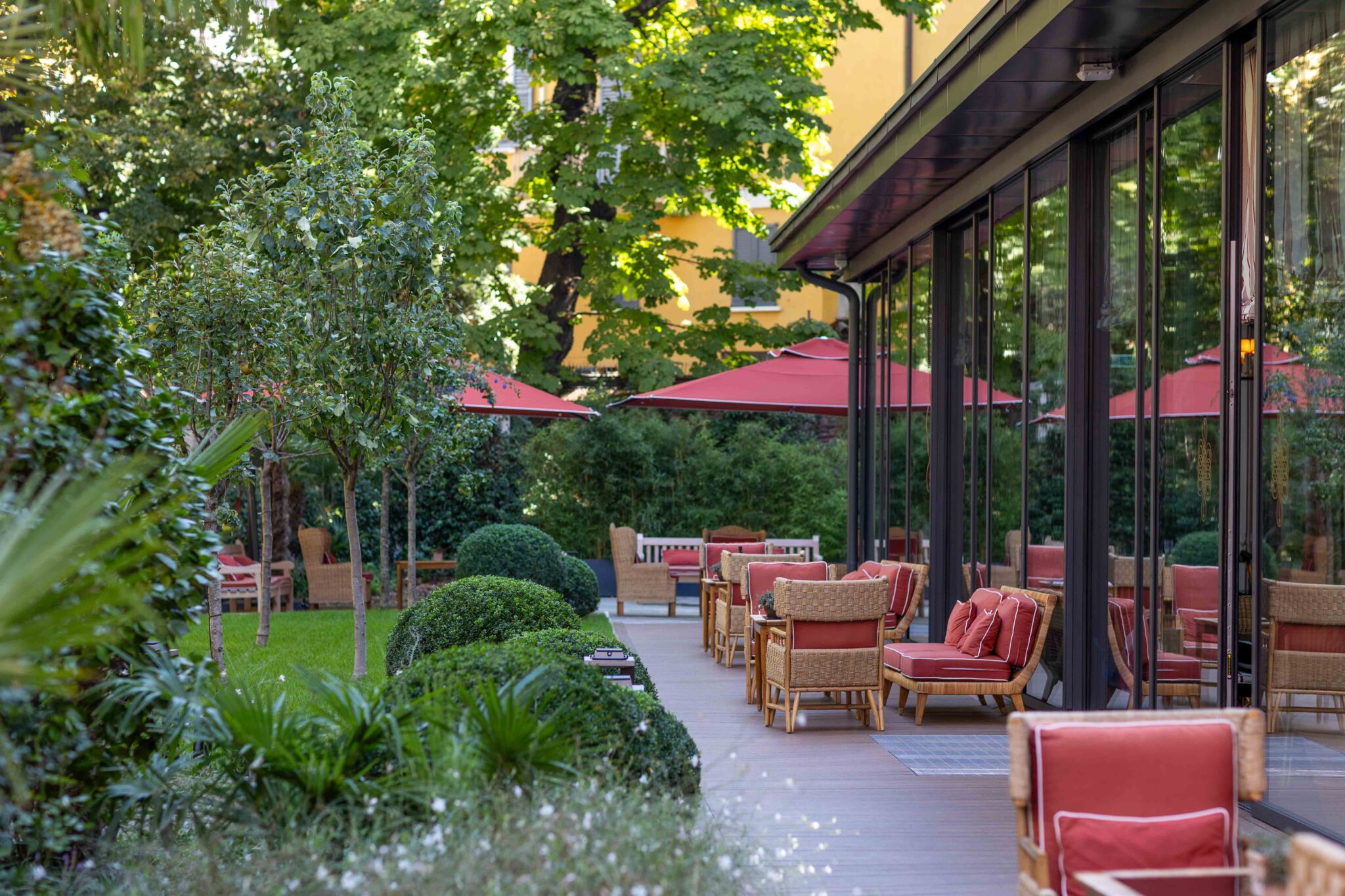
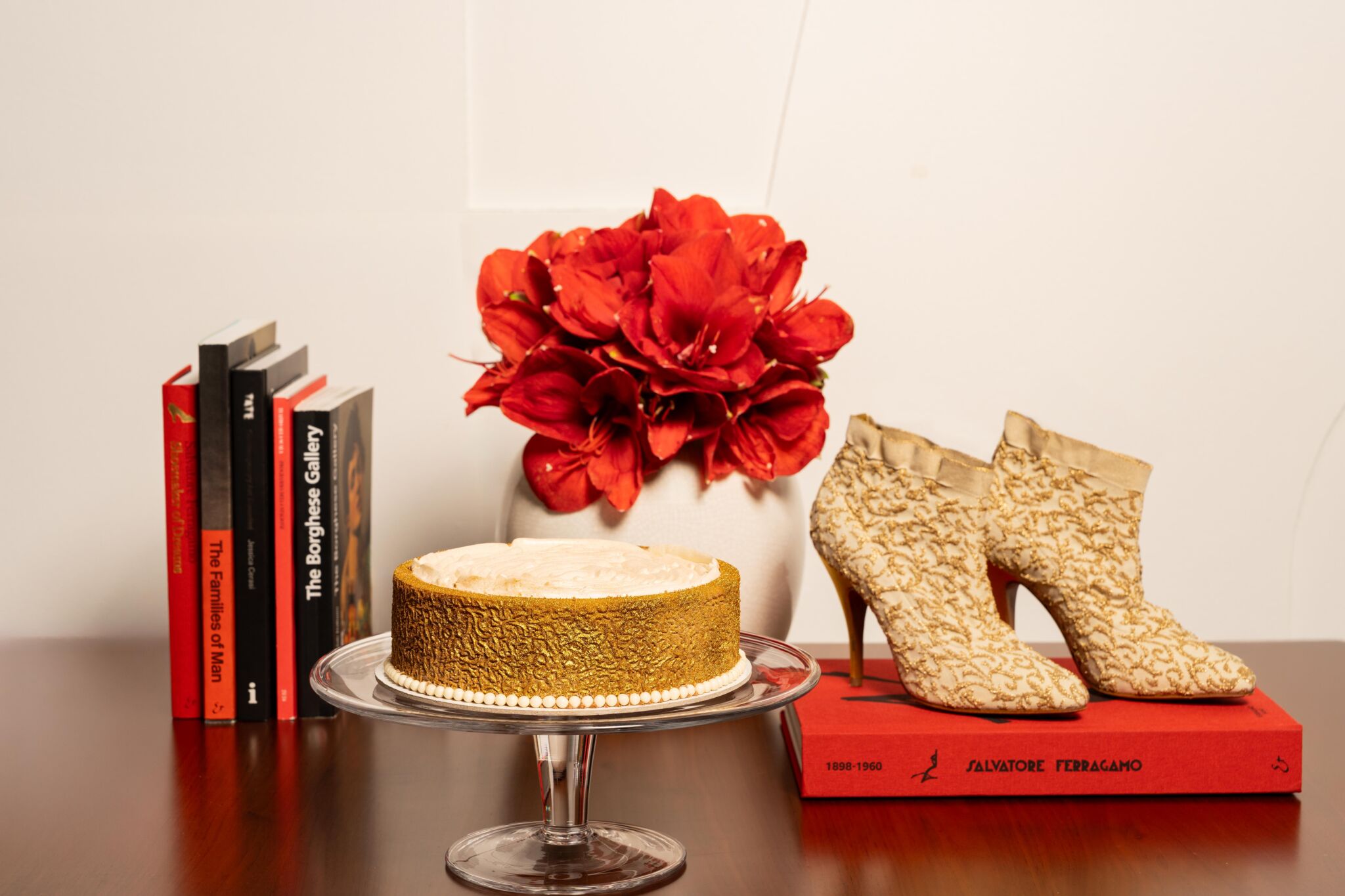 Within the colonnade of Portrait Milano, you can discover the boutique of the young brand SO-LE Studio, offering conceptual and eco-friendly leather accessories created by Maria-Sole Ferragamo. At the multi-brand concept store Antonia, you’ll find both the latest pieces from renowned fashion houses and creations by independent young designers.
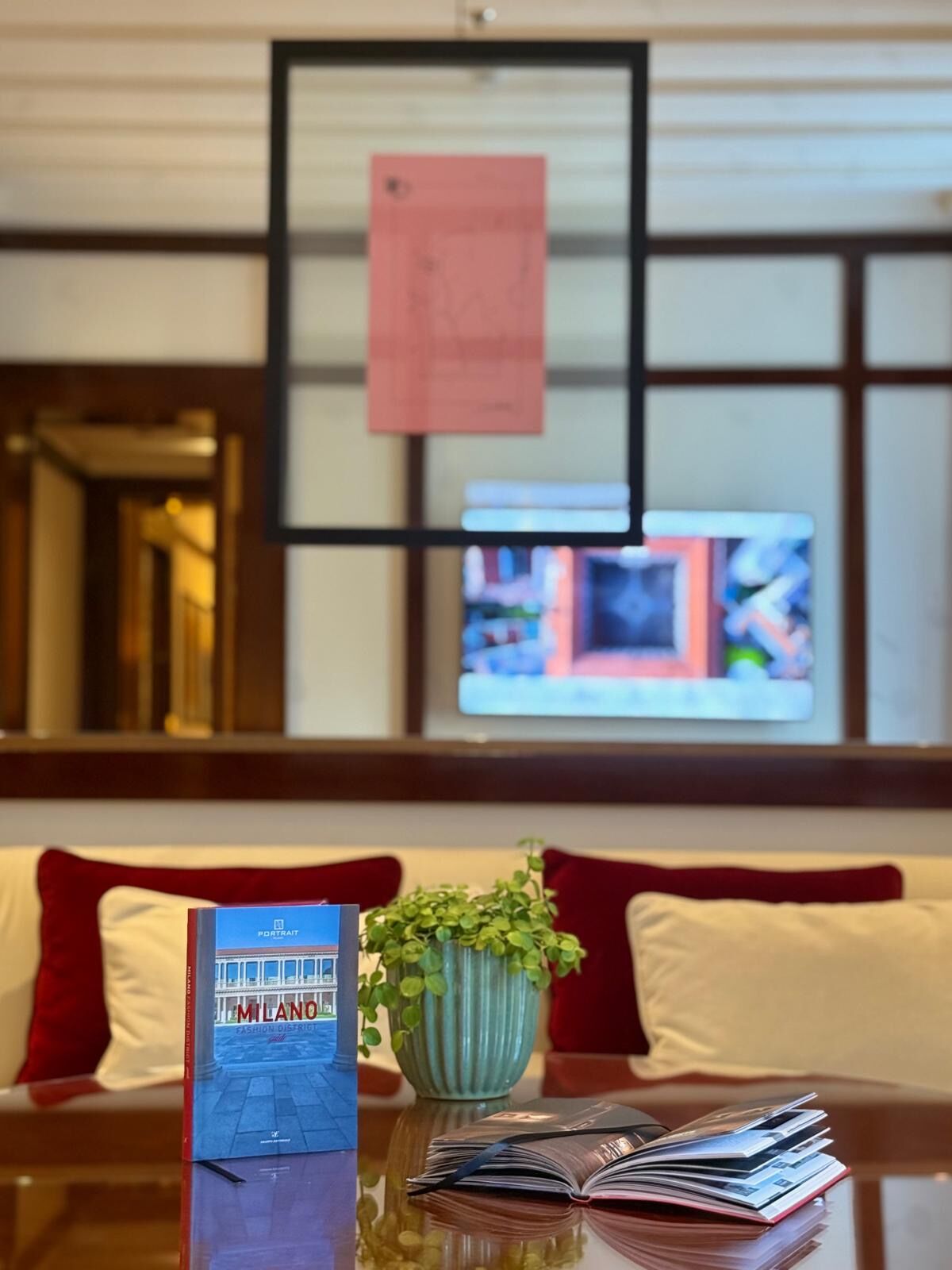
Of course, Milan cannot be imagined without high fashion at the intersection of art: among the Renaissance masterpieces in the Pinacoteca di Brera, more than 120 dresses by Giorgio Armani are currently on display in the exhibition “Giorgio Armani. Milano, per amore”, while the Fondazione Prada hosts some of the most compelling contemporary art exhibitions. But if you want to experience a different Milan, stroll through the quiet streets of the “Quartiere del Silenzio” around Piazza Eleonora Duse and admire the intricate stucco on Liberty-style buildings. Visit Villa Necchi Campiglio, built in the Rationalist style in the 1930s, whose interiors and collections of one of Milan’s wealthiest families are fully preserved — a place that once hosted unforgettable soirées. From Portrait Milano, all major attractions are easily accessible on foot, and the best way to explore the neighborhood is with the small guidebook “Milano Fashion District Guide”, created exclusively for the hotel and waiting for curious travelers on the bedside table.
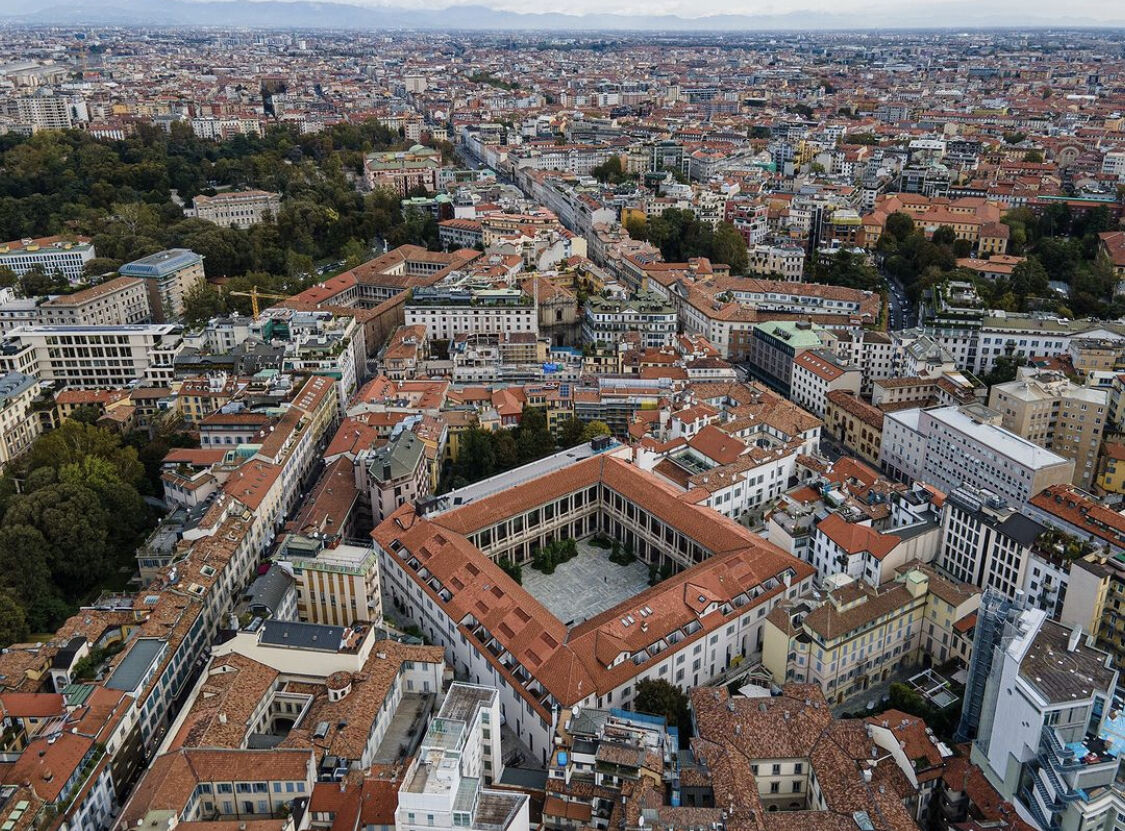 For dinner in Milan, we recommend two completely different yet equally inspiring options. The first is the hotel’s own 10_11 Restaurant at Portrait Milano, where it’s a pleasure to descend in the evening already dressed up and feel the city’s distinctive rhythm. Late at night, the restaurant bar even serves the traditional “Midnight Spaghetti” for those still hungry after a lively evening. The other option is Ristorante Pizzeria Le Specialità, a cozy trattoria with the relaxed atmosphere of old Milan, serving some of the city’s most delicious pizza — with over 50 varieties to choose from, there’s a combination to suit every taste.
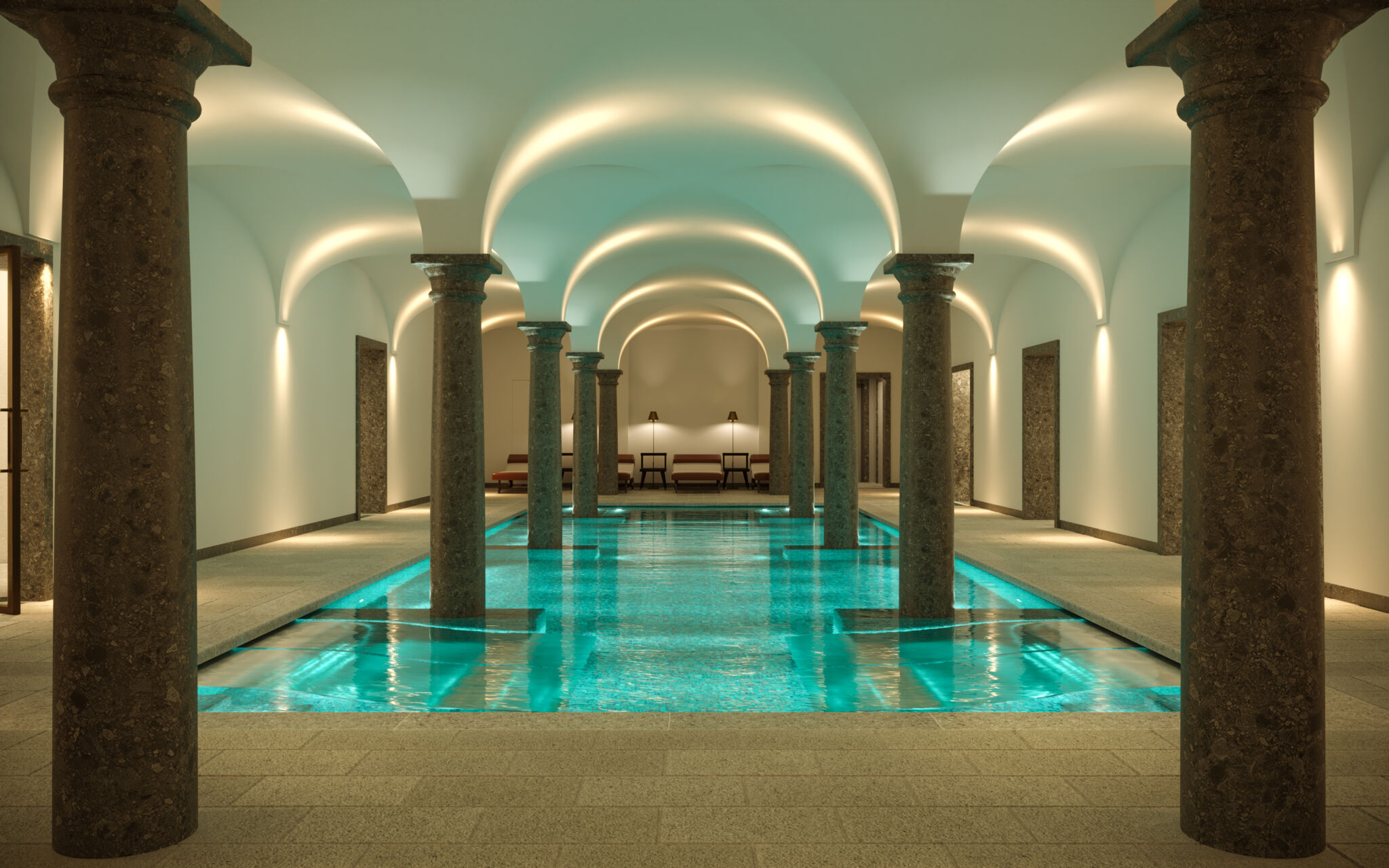
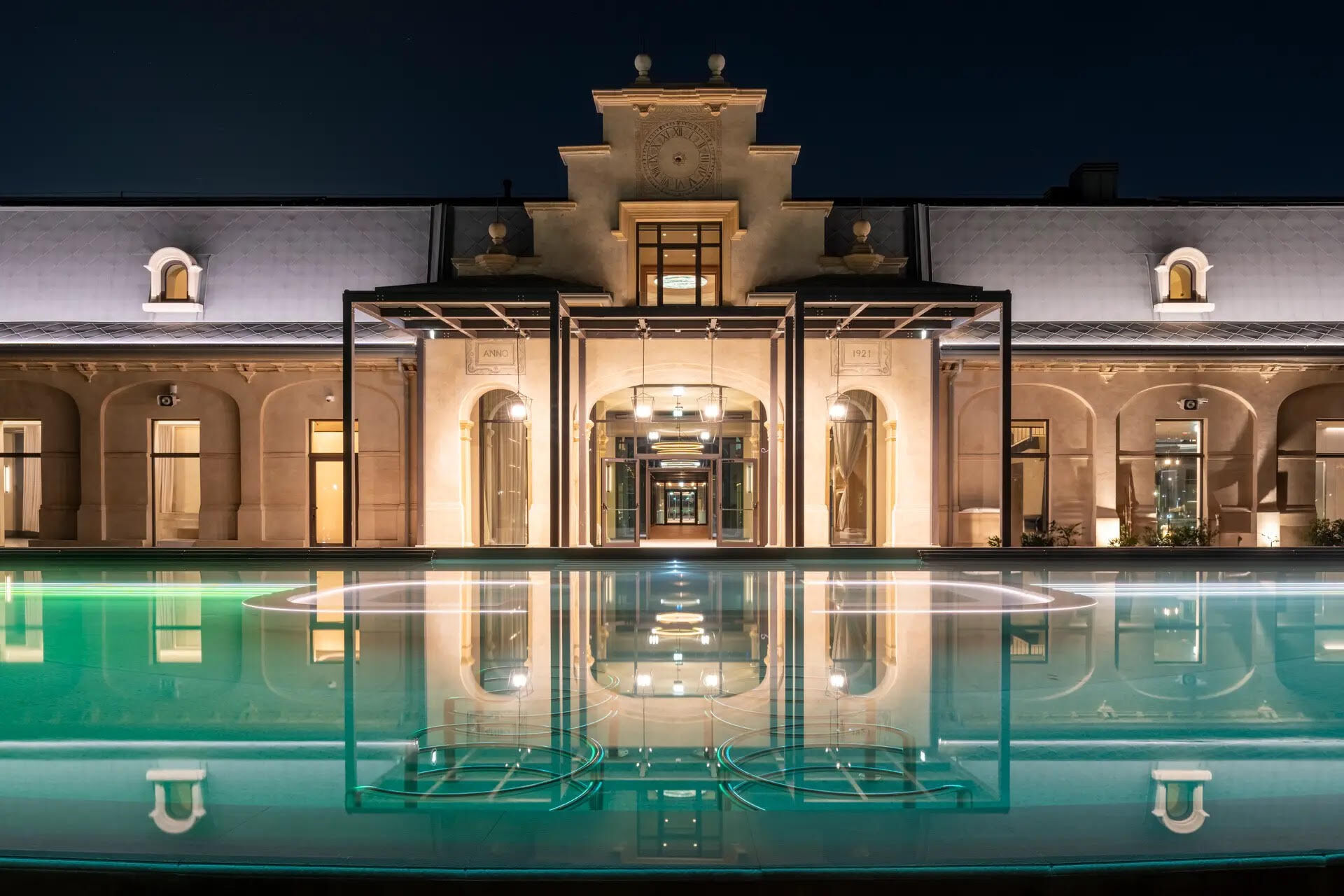 For those looking to switch gears and enjoy a thermal experience reminiscent of Terme di Saturnia, the new De Montel Terme Milano is the perfect destination. This spa complex, built on the site of the former stables at the racetrack and a mineral spring discovered last century, features indoor and outdoor thermal pools of varying temperatures, hydro-massage baths, steam rooms (including a Russian sauna), salt caves, and a garden tucked away from the city’s bustle — a perfect place to spend a half-day recharging after Milan’s busy pace. Back at Portrait Milano, we recommend experiencing one of the unique treatments at The Longevity Spa, inspired by the philosophy of the “Blue Zones”, regions recognized for their remarkable life expectancy.