Optical illusions, northern motifs and science fiction at New York Fashion Week
Reimagining, transformation and new directions in the design language of the season
Among influencers and fashion industry insiders, there is already a sense that New York has delivered one of the most striking Fashion Week seasons in recent years. The fashion event in the Big Apple opened the “Big Four” circuit, with the European capitals next in line.
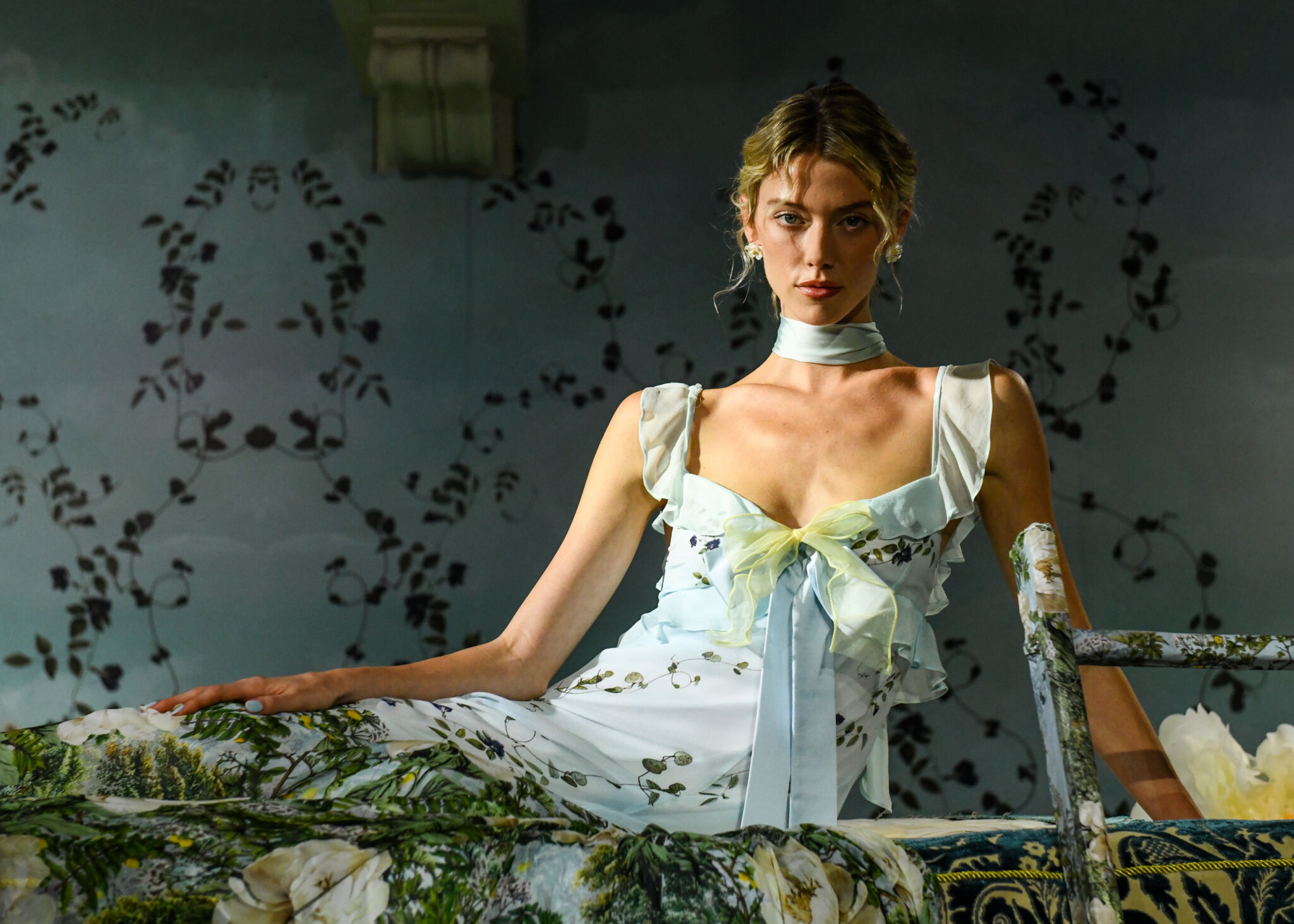
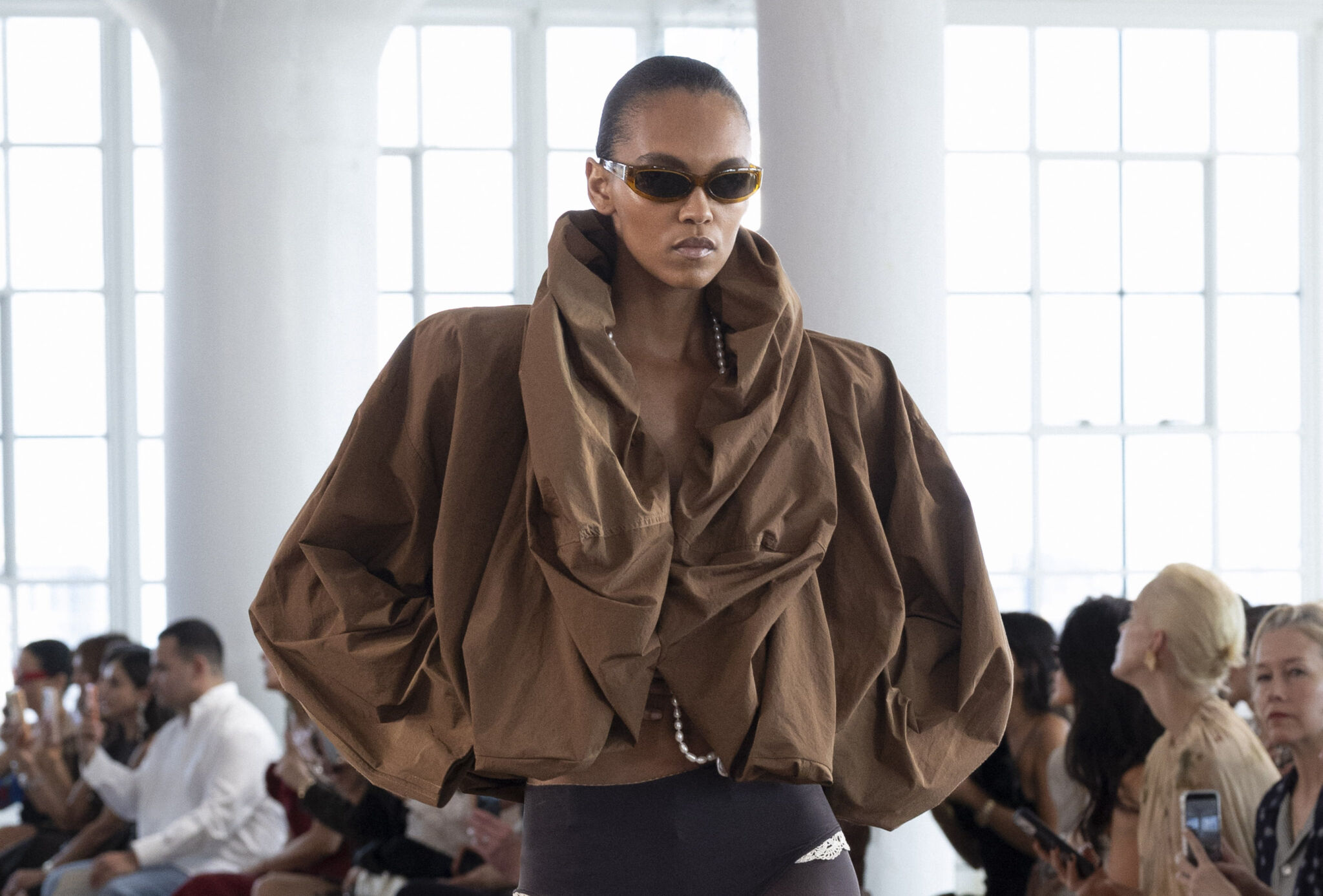
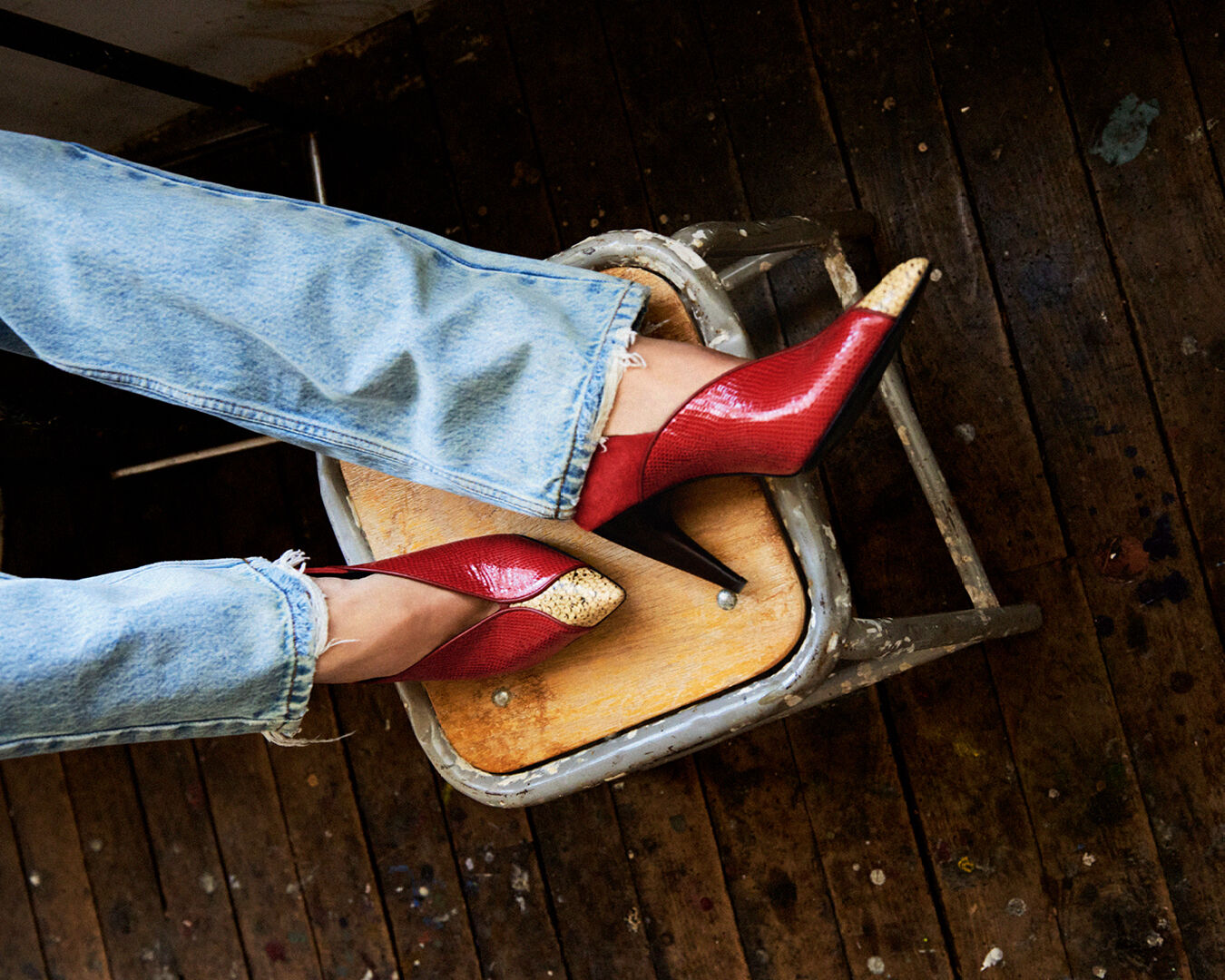
The city, as always, impresses with its relentless energy and pulsating rhythm, while runway shows, presentations and after-parties create a true whirlwind of events. From the surreal Wonderland to the landscapes of Norway, from Peking Opera to the architecture of Luis Barragán, this season offers countless ways to rethink fashion. Designers turn to fantasy, art, nature, personal memories and emerging technologies, transforming these themes into an expressive language of clothing. Alice + Olivia, for instance, created a magical world of Wonderland, while TTSWTRS turns its attention to the present, reflecting on the choices that will shape the future.
Below are some of the standout collections from the first days of New York Fashion Week:
Christian Cowan
Guests at the show witnessed a reimagined vision of Old Hollywood seen through the lens of contemporary femininity. Christian Cowan began with the idea of the on-screen persona as a space between reality and fantasy, where a woman remains herself while simultaneously creating a public version of her identity. The collection draws inspiration from Nathanael West’s novel «The Day of the Locust», in which Hollywood emerges as a collective illusion sustained by those who bring other people’s dreams to life. Archival fabrics from the 1920s, 1930s and 1950s were given a new life, bringing historical references into dialogue with contemporary silhouette construction. Lace, crystals and corseted shapes reinforce traditional codes of glamour, transforming them into expressive tools rather than predetermined standards of beauty. Sculptural taffeta flowers, crystal corsets and silk dresses with deep back openings and dramatic slits form the foundation of the collection. Particular attention is given to repurposed archival fragments: a 1950s lace panel becomes a sculptural collar, while a 1930s textile embellished with beads, sequins and embroidery is transformed into a dramatic train. Volume and movement become essential elements of the looks, from a gathered taffeta skirt seemingly frozen in the moment of falling to a black silk mini dress layered over a neon-pink organza gown.

Photo: PR Christian Cowan

Photo: PR Christian Cowan

Photo: PR Christian Cowan
Kate Barton
The evolution of Kate Barton’s signature sculptural language brings greater freedom and lightness to her designs. Architectural cutting, intricate draping, optical illusions and unexpected construction techniques remain central to the aesthetic, while more experimental elements become almost imperceptible, naturally integrated into pieces designed for everyday wardrobes. Drapery gently follows the contours of the body, while sculptural accents emerge even within pared-back silhouettes. Colour becomes the season’s defining visual element, with papaya, turquoise, pink and lavender combined with lemon yellow, powder blue, pistachio and shades of ivory. Stripes run across knitwear, silk and sequins, bringing different textures together, while sheer materials create a contrast with denser fabrics. The wardrobe expands to include fluid dresses, relaxed trousers, knitted tops and T-shirts, skirts and tailored separates. Familiar pieces acquire a new character through unexpected proportions and construction: a top wraps around the body, a scarf becomes part of the neckline, and fabric gathers unexpectedly at the hip. Styling embraces an effortless mix of pieces, pairing a graphic T-shirt with a fluid skirt, vivid knitwear with classic silhouettes, while accessories become expressive finishing touches.

Photo: PR Kate Barton

Photo: PR Kate Barton

Photo: PR Kate Barton
TTSWTRS
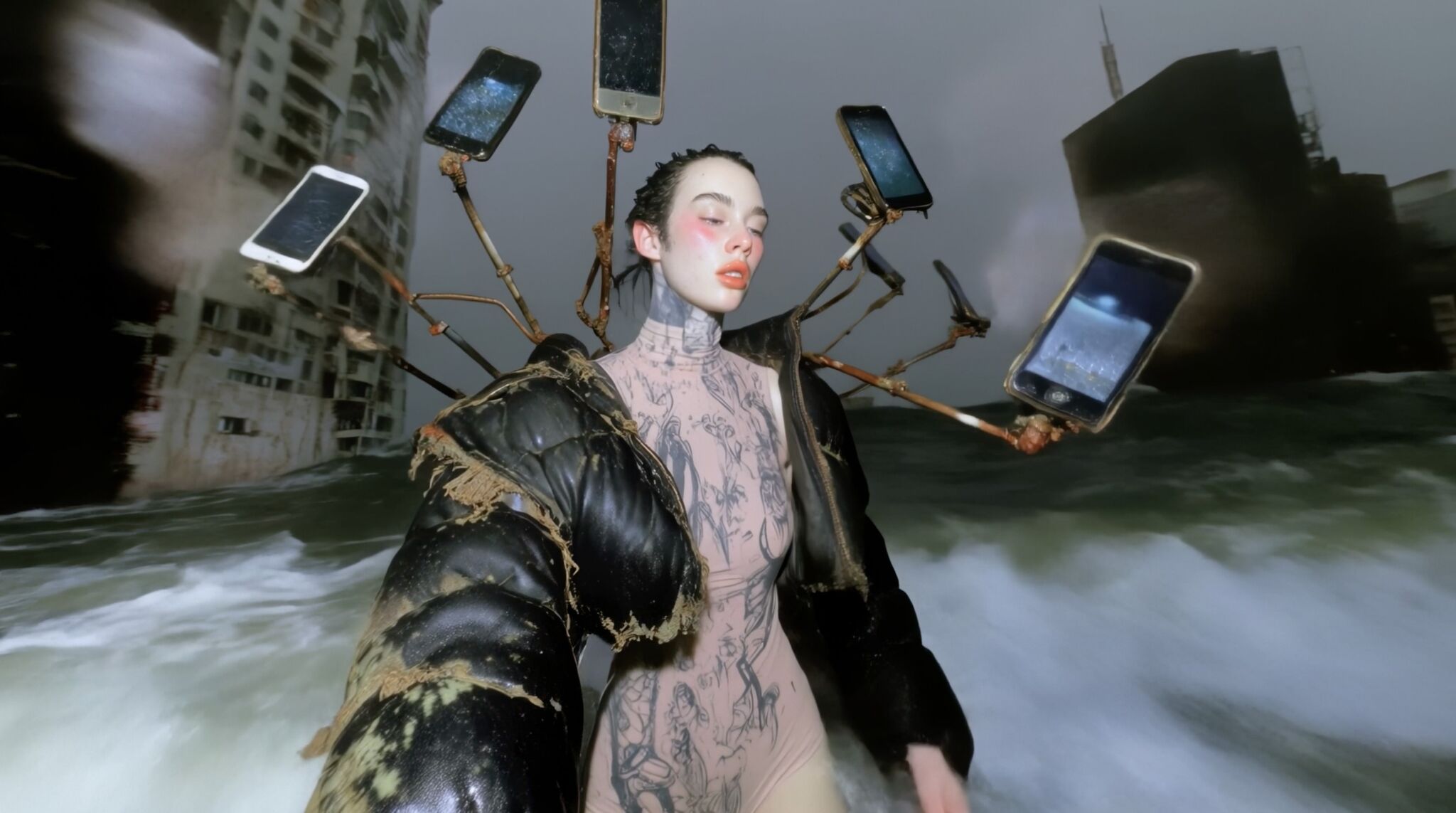
Instead of a traditional runway show, TTSWTRS created a space at the intersection of fashion, cinema and digital technology, offering its own vision of a possible future. At the heart of the concept is the familiar Wonderland, where established rules gradually shift and nature and technology become part of the same reality. TTSWTRS transforms this fantastical world into more than an escape, using it to reflect on the present and on the choices that will determine what the future looks like. The concept continues through an AI film in which a mysterious rabbit becomes a guide into a surreal world. Beneath the fairytale atmosphere, a reality depleted by overproduction and excessive consumption gradually comes into view. This idea is carried into the collection itself: raffia becomes sculptural surfaces and expressive headpieces, while layers of vivid pink organza evoke the movement of feathers. Flowers emerge as one of the key motifs, appearing either frozen and almost artificial or intensely vivid and lifelike, suspended between the natural and the man-made. The brand’s signature fringe is also transformed, taking on a voluminous, almost architectural quality that reshapes the proportions of the silhouette.

Photo: PR TTSWTRS

Photo: PR TTSWTRS

Photo: PR TTSWTRS
FANG NYC
Fang Guo’s team explored the relationship between the human body, clothing, movement and technology. At the centre of the collection is the image of a bionic dancer, where the organic and the artificial coexist. Inspired by science fiction and Alex Garland’s film «Ex Machina», the collection examines the tension between human and machine, as well as between the organic and the synthetic. This idea is translated into contrasting textures and sculptural silhouettes, combining industrial rigidity with organic fluidity. A new knitting technique brings together vertical and horizontal ribbing to graphically define the structure of the body, while a two-colour plating technique creates an optical illusion across the surface. Voluminous ribbing enhances the sculptural quality of the pieces, forming raised surfaces at the front and concave shapes at the back, allowing the silhouettes to transform with the movement of the body. In contrast to this architectural approach, soft silk, draped pieces and layered knitwear introduce a sense of fluidity. The collection’s utilitarian direction emerges through workwear and specialised sportswear. A recurring A-line in dresses and skirts completes the dialogue, bringing volume, movement and anatomy together within the wardrobe.

Photo: PR FANG NYC

Photo: PR FANG NYC

Photo: PR FANG NYC
T’ABBE
For the new season, T’ABBE turns to memory and creative heritage, exploring how ideas and aesthetic instincts are passed from one generation to the next. The starting point was designer Talia Abbe’s personal archive, where, among photographs and works by the women in her family, she discovered a vintage raincoat sketch created by her grandmother. This unrealised design becomes the foundation for a fresh interpretation in which the past is not replicated but given a contemporary continuation. Presented at New York’s Serendipity3, the 19-look collection combines fluid silhouettes and elegant separates with deliberately oversized forms, original textiles and the brand’s signature inflatable latex details. Primrose pink, deep burgundy, lemon yellow and powder blue give the palette an almost candy-like vibrancy. The interplay of proportions deliberately places the familiar against the unexpected, turning everyday dressing into an opportunity for visual transformation. The idea extends to T’ABBE’s collaboration with Bring Change to Mind, through which the work of a young artist exploring self-expression and mental well-being has been incorporated into the prints of the new collection.

Photo: PR T’ABBE

Photo: PR T’ABBE

Photo: PR T’ABBE
Pamella Roland
The atmosphere of Norway’s landscapes inspired Pamella DeVos to create the new collection, bringing the majesty of the fjords and the vivid colours of coastal villages to the New York Fashion Week runway. Their contrast is translated into an evening wardrobe where the expressive beauty of nature meets understated Scandinavian elegance. Rich jewel tones are paired with airy pastels, while creamy yellow, meadow green and deep blue evoke the colourful architecture of seaside towns. Northern references are reinterpreted through pink-toned metallic jacquards, delicate fabrics with cutwork effects and intricate embroidery enriched with crystals, cords and ribbons. The silhouettes are defined by a striking balance of structure and fluidity, with draped necklines, voluminous hems, tiered pleated ruffles and architectural corsets highlighting a contemporary femininity. One of the standout pieces is a column dress paired with a dramatic cape, hand-embellished with feathers accented in yellow. The bridal look continues the same sensibility in a tulle gown with asymmetric draping and voluminous organza flowers.

Photo: PR Tagwalk

Photo: PR Tagwalk

Photo: PR Tagwalk
Kim Shui
Kim Shui explores the art of transformation, bringing nature, theatre, fashion and everyday life together in a single expressive language. The collection draws on the visual culture and movement of Peking Opera, where every gesture and element of costume carries emotional meaning. Long feathers take centre stage, recalling the traditional adornments of performers’ headdresses, their movement becoming an extension of gesture and a way of conveying emotion. This theatrical expressiveness echoes the rituals of birds in nature, for whom plumage, colour and movement serve as forms of attraction and self-expression. The idea emerges through feathers, fringe, saturated hues, sculptural headpieces, draping and intricate embroidery. Sheer lace, cut-outs and decorative elements balance exposure with concealment, while corseted bodices, structured collars, brocade and embroidery introduce a sense of ceremony. Exaggerated proportions and oversized headpieces become powerful tools of expression, emphasising the strength of women and their ability to confidently occupy space. Yet the ultimate stage is New York, where the street becomes a scene and everyday dressing becomes a way to play with roles, movement and constantly shifting visual identities.

Photo: PR Tagwalk

Photo: PR Tagwalk

Photo: PR Tagwalk
Alix(e) of Bohemia
The journey between Marrakech and Marseille becomes the starting point for the new collection by Alix Pietrafesa. At the heart of Alix of Bohemia is not so much a specific route as the sensation of travelling itself — movement, discovery, rituals and impressions that remain long after returning home. The designer’s childhood memories of European road trips surface through images of boats and cars, woven baskets, faded fabrics, harbour light and roadside stops. These fragments of the past become the foundation for the collection’s textures and decorative details. Baskets inspire techniques of weaving, knotting and interlacing threads. The maritime theme continues through playful details inspired by seafood dishes and the summer rituals of gathering by the water. Lightness comes through organza, delicate veils and silk fringe, creating an almost weightless sense of movement. In contrast, metallic elements, sharp lines and sculptural brass buttons bring a sense of substance and definition to selected looks. The interplay between softness and structure, fragility and weight becomes one of the collection’s defining visual languages.

Photo: PR Alix(e) of Bohemia

Photo: PR Alix(e) of Bohemia

Photo: PR Alix(e) of Bohemia
RIO
The architecture of Luis Barragán — a pink Mexican house set against a vivid blue sky — provided the visual starting point for RIO’s new collection. Titled «Horizons», the collection is defined by clean lines, sacred geometry, saturated colour and a close connection with nature. The palette centres on sun-faded pink, deep cyan-indigo and vibrant green, evoking the sensation of sunlight and a living landscape. Nature becomes part of the creative process itself through hand-applied botanical cyanotypes, transforming plants into graphic photographic prints on fabric. Shirting fabrics and denim are dyed with natural pigments derived from beetroot and berries, reinforcing the brand’s organic approach. For the accessories, Rio Uribe uses recycled wood and aluminium, giving materials from previous projects a new purpose. Silhouettes echo the organic contours of flowers and carnivorous plants, translating natural forms directly into the construction of the garments. Beneath the collection’s visual impact lies an idea of fashion and life as cyclical processes, where periods of growth and abundance give way to states of rest and renewal.

Photo: PR RIO

Photo: PR RIO

Photo: PR RIO