Without Fear
Beyond the slopes, Sheina Vaspi explores beauty, self-expression, and the freedom to be seen on her own terms.
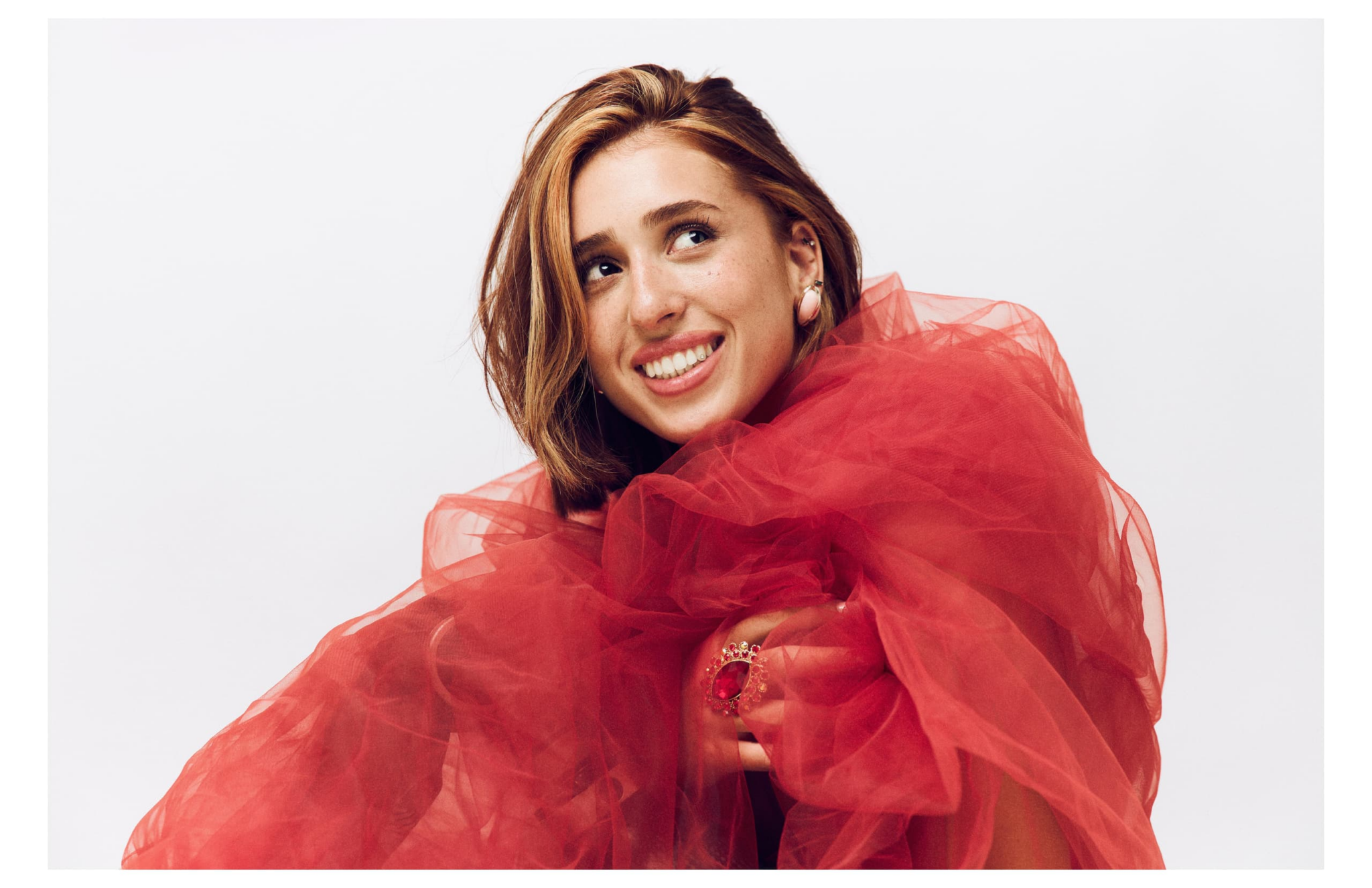
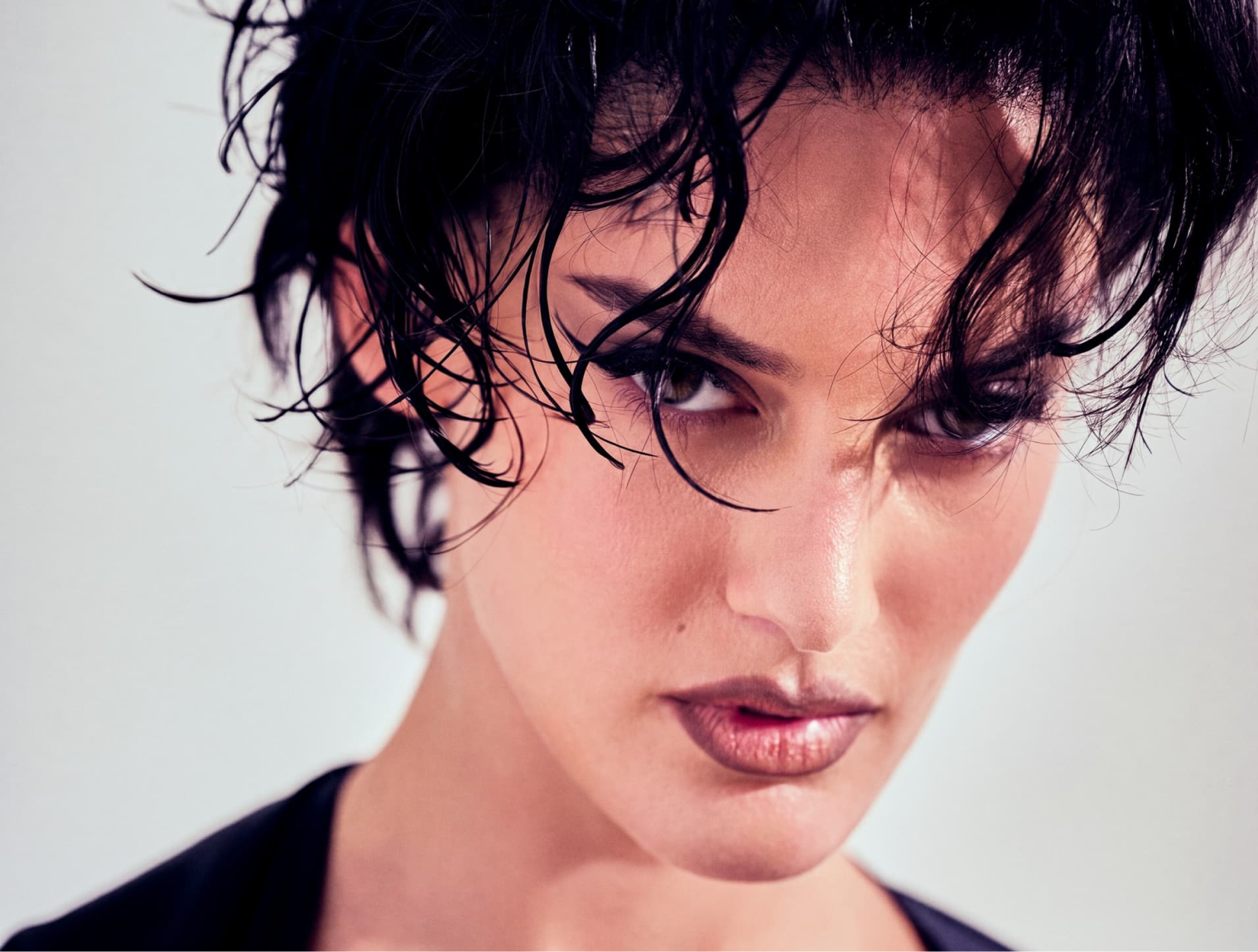
Paralympic alpine skier Sheina Vaspi steps into the spotlight in Without Fear, an editorial about beauty and the confidence to show every side of yourself. She first discovered skiing at sixteen, but the sport has never been the whole of her identity. In our interview, she speaks about fashion, her relationship with her body, and why being called “inspiring” can sometimes make it harder for others to see the person and athlete she is.

You are a Paralympic alpine skier, but sport is only one part of your life. How would you describe yourself beyond titles and achievements?
Sport has shaped me profoundly, but it has never been the entirety of who I am. I am someone who commits fully to whatever I choose to pursue. For many years, sport occupied almost all of that space, while creativity, photography, fashion, and my curiosity about the world remained in the background.
I have always noticed beauty — not only in appearances, but in people, their stories, and small details. It matters to me to preserve the freedom to discover new sides of myself. Sport is part of my identity, but it is not the boundary of my possibilities.

How did alpine skiing enter your life? What does being on the slopes mean to you today?
I grew up near a small mountain. When there was enough snow, people would ski there. I could see it from my bedroom window for years, yet that world still seemed very distant from my own.
Through a relative and an alpinist, I was introduced to an organization that gave me the opportunity to try adaptive skiing. I was sixteen. When I first skied on one leg, I felt as though I had entered a world that had been waiting for me all along.
In competitive sport, sixteen is a fairly late age to begin. I also grew up with very little exposure to winter sports. That is why the mountain means more to me than skiing itself. It reminds me that where we start does not have to determine where we end up.

Your story is often described in terms of resilience and inspiration. How do you feel about those words?
People use the word “inspiration” very easily. Sometimes, simply seeing a person with a disability do something entirely ordinary is enough for someone to say, “You are so inspiring.”
I value knowing that my journey genuinely gives others strength. But when the word is used automatically, based only on my disability, it can be limiting. In Paralympic sport, people sometimes notice the disability before they recognize the athlete: their talent, discipline, ambition, and work.
I do not stand at the starting gate to inspire people. I stand there to perform at my highest level. If someone later sees the effort, the falls, the fear, and the persistence, and finds inspiration in those things, then the word has meaning for me.

The idea behind this editorial is that beauty begins where fear ends. How has your relationship with your body changed?
Growing up, I understood that other people’s discomfort with my body did not have to become my own. Children stared and whispered, and some teachers even suggested that I conceal my disability so that I could fit in more easily.
I think my perspective began at home. My father taught me to see my prosthesis almost as a piece of jewelry — something distinctive and personal that did not need to be hidden.
Of course, my relationship with my body has changed over the years. Like anyone else, I have days when I feel beautiful and days when I do not. Today, I understand that confidence is not about loving every reflection in the mirror. It is about how I speak to myself. For me, beauty begins when we stop apologizing for the way we exist.

What do fashion and personal style give you?
In sport, people usually see strength, discipline, speed, and results. Fashion gives me a way to show other sides of myself. Sometimes I want to be gentle; at other times, bold or unexpected. And sometimes I simply dress according to my mood.
Clothing can tell a story without words. In sport, I show what my body can do. Through fashion, I show how I feel living in it.

What helps you return to training after a setback?
It is not always easy. Even when I know how I should respond to disappointment, it can be difficult to get up the next morning and return to work. That is when routine supports me: training, learning, and moving forward.
Over the years, I have learned that a result does not define my worth. Winning does not make me a better person, and losing does not make me a lesser one. I try to take at least one lesson from every setback and carry it with me to the next start.

What do you think is still missing from the representation of people with disabilities in fashion and the media?
I would like their presence not to have to carry an emotional message every time. Not every appearance of a person with a disability in a fashion story needs to become a narrative about overcoming adversity. Sometimes, that person is simply right for the shoot — because they are beautiful, compelling, talented, and have a style of their own.
A prosthesis does not have to be a symbol of limitation. It can simply be one part of a person. Real change will come when people with disabilities are given the same freedom as everyone else to be many things: strong and vulnerable, extraordinary and ordinary — simply themselves.

Featuring — Sheina Vaspi
Creative Director & Stylist — Liya Polonsky
Photographer — Michal Sharon
Makeup Artist — Yarden Apelman
Wardrobe & Accessories — Loni Vintage, Eli7hats, Liya Polonsky, Shay Shoy, Michal Sharon