

When the Ordinary Becomes Fashion
A pigeon for a clutch, an egg for a heel and a packet of crisps for a bag. Seven designs that invite us to see everyday life through a designer’s eyes.
We recognise them at a glance. A city pigeon, a favourite snack packet, a glove that has lost its partner. We rarely give these things a second look. Yet change their material, scale or purpose, and a familiar shape suddenly feels entirely different.
The Met Gala 2027 theme, extraORDINARY: Fashion and the Poetics of the Everyday, offers a reason to explore this approach. These seven independent examples show how designers turn the familiar into accessories filled with character, humour and an almost sculptural presence.
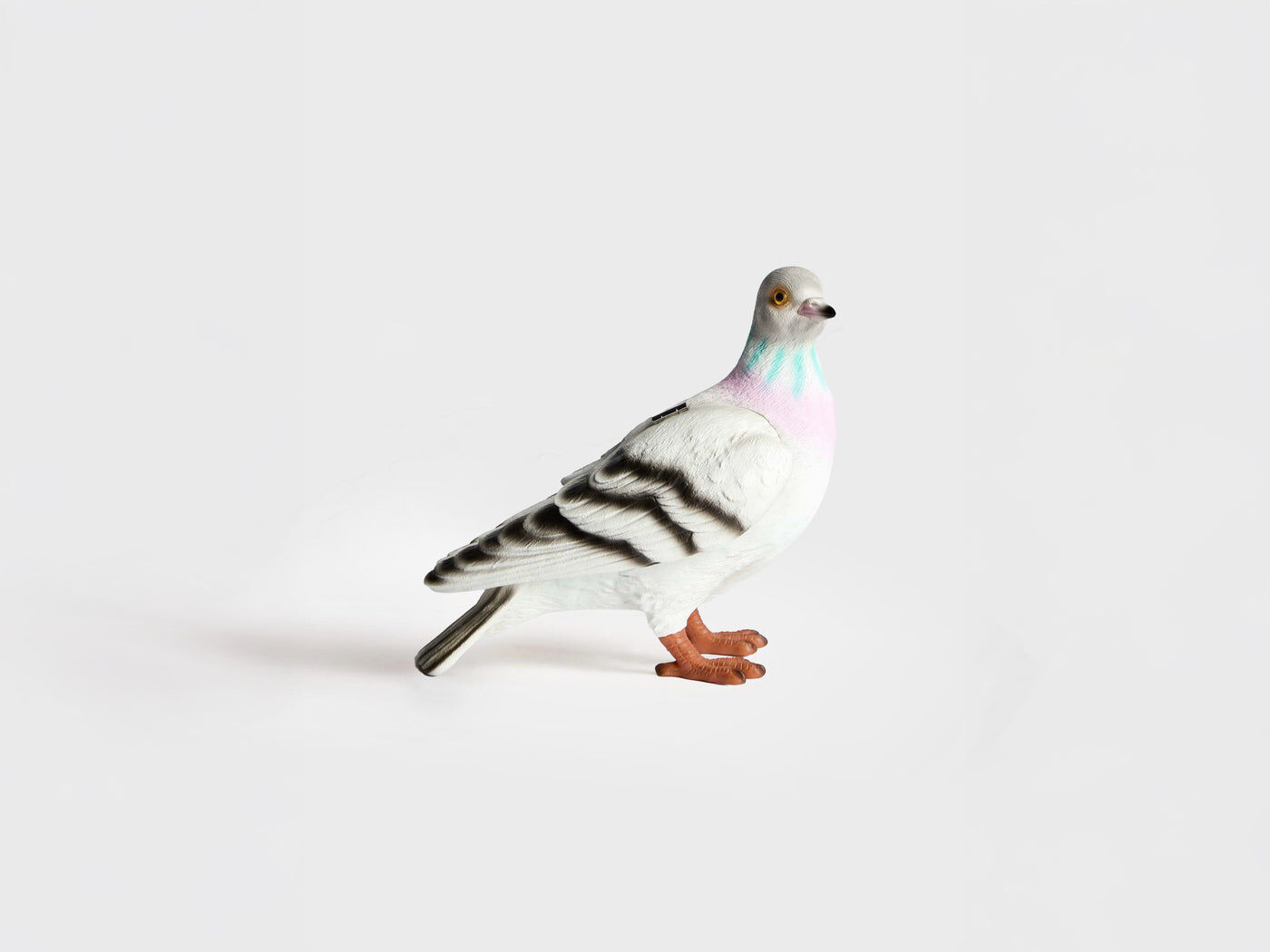
JW Anderson’s city pigeon
The bird we usually walk around on the pavement becomes something to cradle in our hands. The Pigeon Clutch recreates a pigeon’s silhouette, with a hinged wing opening to hold small belongings. Its body is formed in 3D-printed resin, with silicone legs.
The surprise lies in the choice of subject. This is no exotic bird or imaginary creature, but an everyday city resident. In its owner’s hands, it becomes a small sculpture that also happens to function as a bag.

An egg beneath a Loewe heel
For Spring Summer 2022, Loewe gave familiar footwear a surreal twist. Eggs, bars of soap and roses appeared beneath the heel. The house described the designs as playing with the idea of fragility.
The egg is particularly striking. An object we instinctively protect from pressure appears to become a support. There is a tension between what we know about it and the role the designer gives it. Even a simple shoe silhouette becomes a statement with a detail like this.

Balenciaga’s packet of crisps
A familiar snack packet takes on a different meaning in a fashion house’s catalogue. The Chips Bag preserves the recognisable shape and graphics that make it easy to mistake for a purchase from the corner shop. The bag itself is made from glossy calfskin and closes with a zip.
That is where the visual play begins. Something whose life usually lasts only from checkout to snack time becomes an accessory around which an entire outfit can be built. It brings a sense of humour to even the most formal look.

A glove reimagined by MM6 Maison Margiela
Sometimes transformation requires only a change of position. On this MM6 Maison Margiela bag, elongated gloves form part of the shoulder strap. A knot and loosely hanging fingers interrupt the quiet geometry of the body.
At first the accessory seems restrained. Then the eye catches a detail that is difficult to unsee. The glove remains recognisable while taking on a new purpose. This small shift turns an everyday bag into something worth a closer look.

French fries by Judith Leiber Couture
With French Fries Fresh and Hot, a red carton of chips becomes an evening accessory. The clutch is decorated with hand-set crystals, lined in metallic leather and fitted with a removable chain for crossbody wear.
Two visual worlds meet here: everyday fast food and a dressed-up bag for a special occasion. Crystals emphasise the familiar silhouette, turning it into a sparkling miniature. It is as easy to imagine on a collector’s shelf as in someone’s hand.

Thom Browne’s pet dachshund
Inspiration can also come from the companion who greets a designer at home every day. The Hector Bag is named after Thom Browne’s dachshund and echoes the dog’s elongated silhouette.
In the pebble-grain leather version, the canine shape meets rounded handles, a zip and a bone charm. It is almost a portrait of a beloved pet, translated into the language of leather accessories. The bag immediately prompts an emotional response, as though it already has a personality of its own.

Schiaparelli’s shoe on the head
Long before bags shaped like packets and birds, Elsa Schiaparelli and Salvador Dalí proposed turning the idea of an accessory upside down. For Winter 1937–1938, they created a hat in the shape of a shoe, inspired by a photograph Gala had taken of Dalí wearing footwear on his head.
The piece is now in the Metropolitan Museum of Art’s collection. Its impact still rests on a simple displacement: a familiar shape appears where we least expect it. Almost nine decades later, the idea still makes us stop, smile and look again.
