Why We Look Better After the Sea — And It’s Not Just the Tan
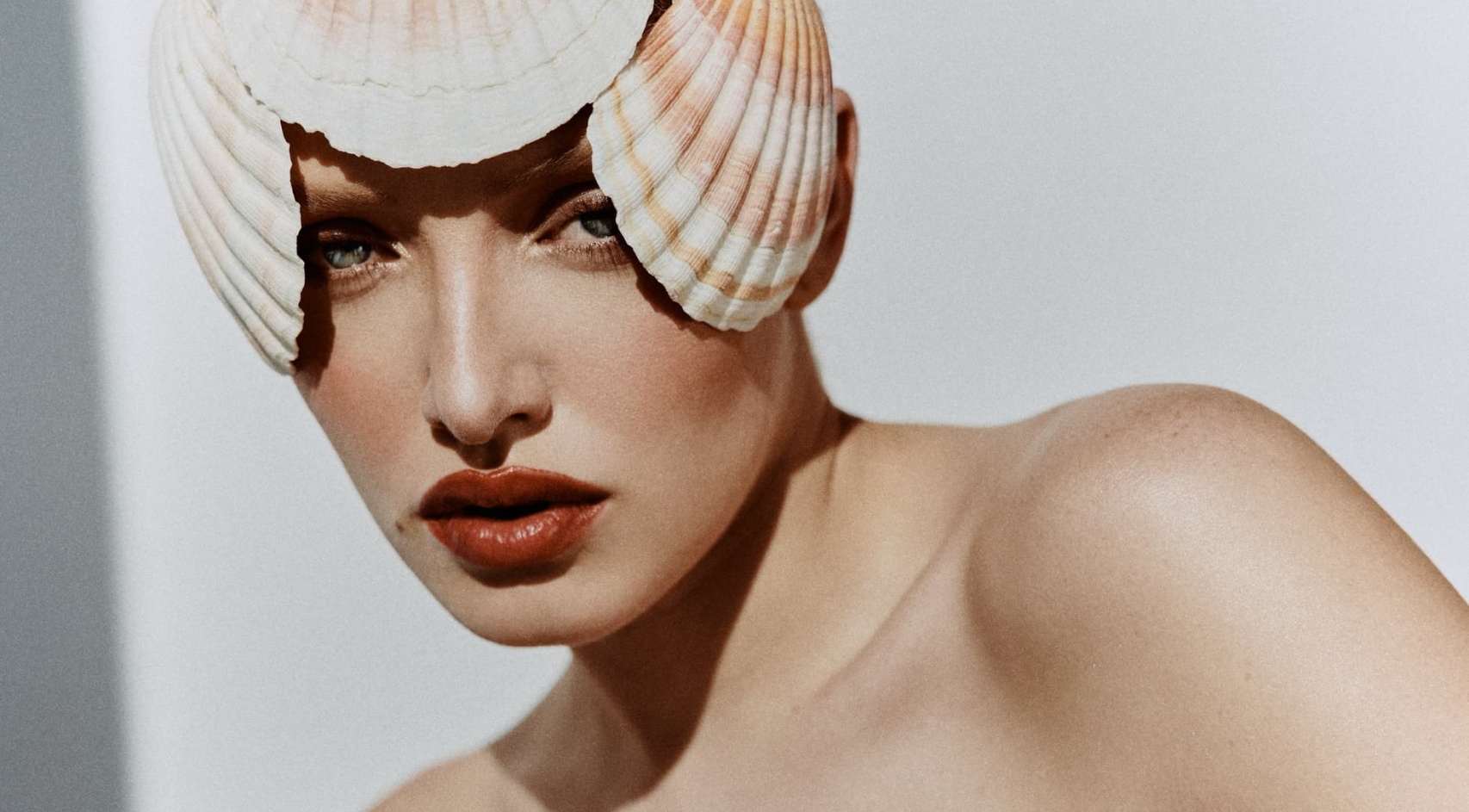
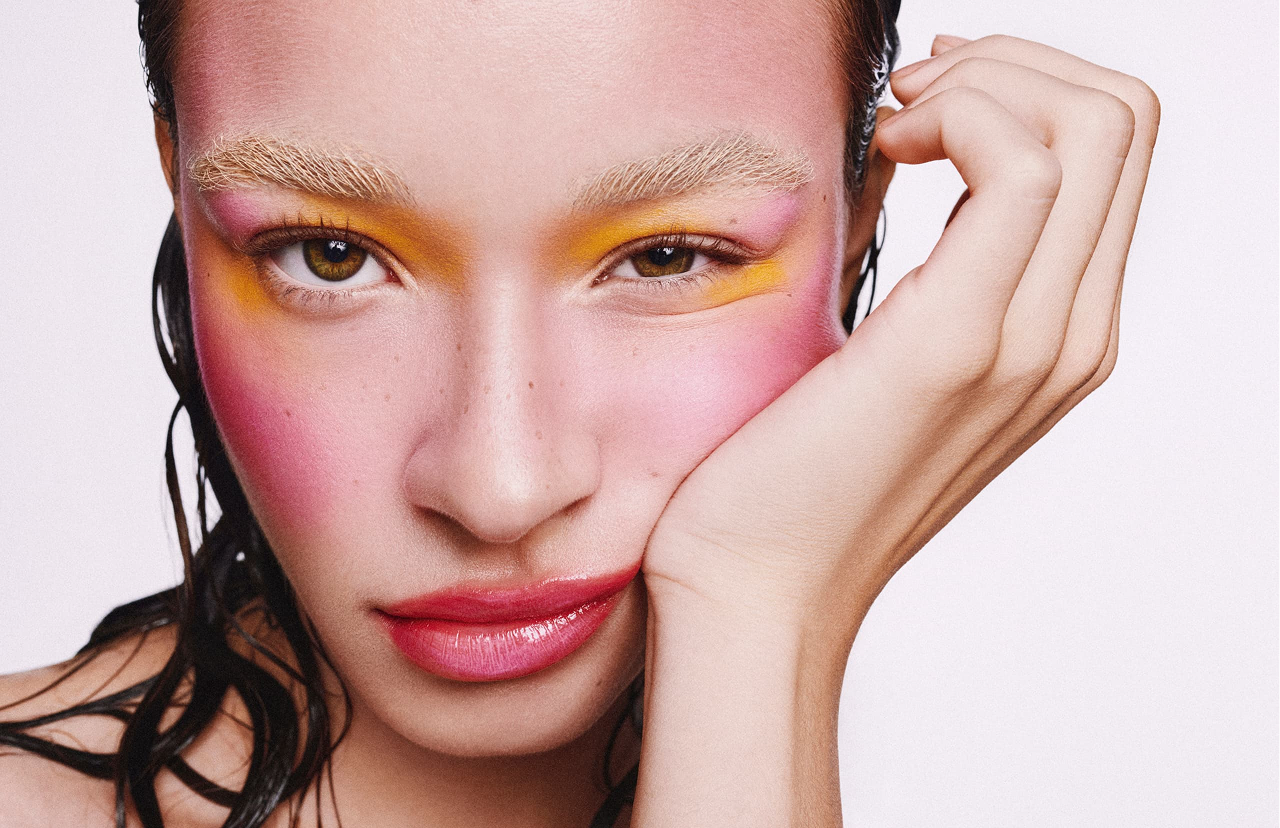
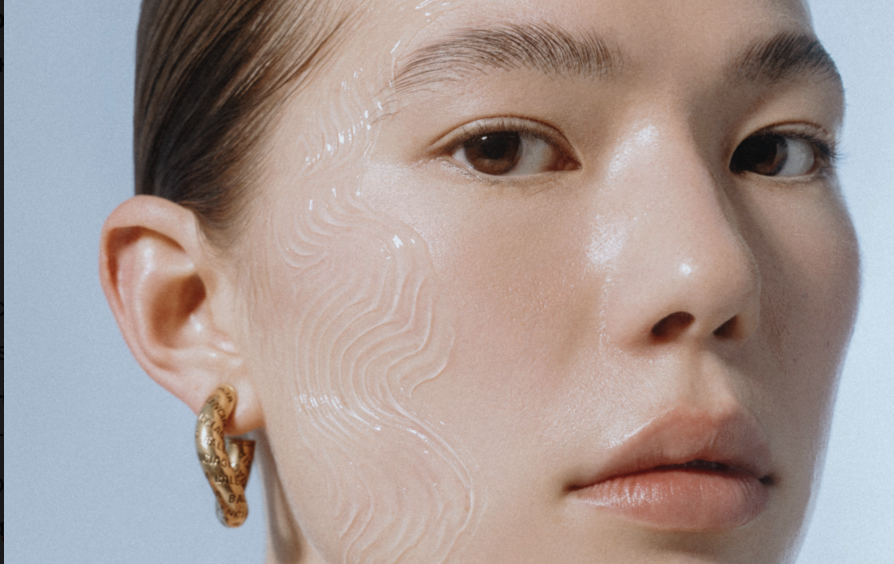
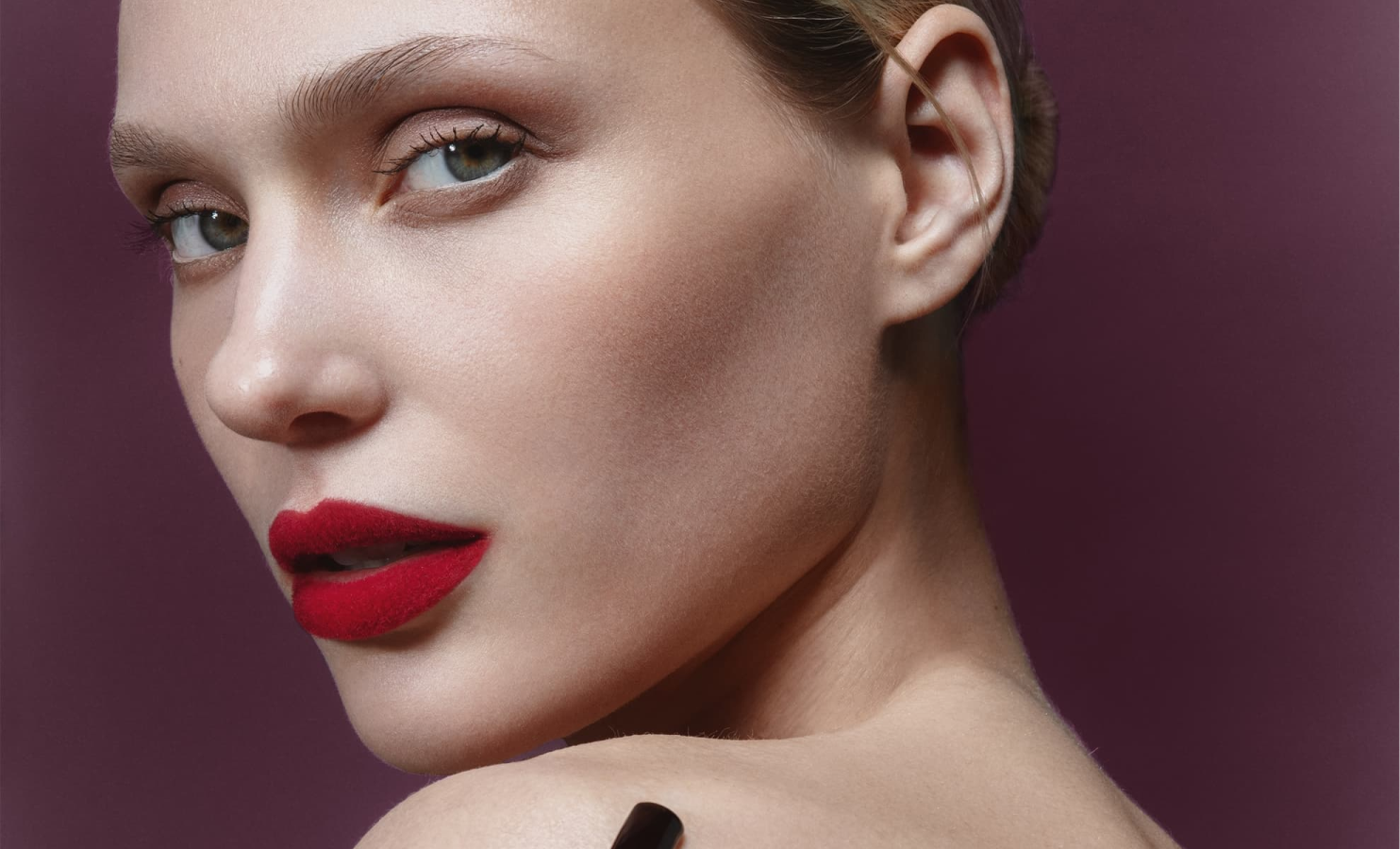
After just a few days by the sea, something seems to change. Skin looks brighter, the eyes appear more relaxed, hair takes on an effortless natural texture, and somehow photographs need far less filtering or retouching.
We tend to credit the tan. But the real explanation is far more interesting.
The way we look after a holiday is shaped by a combination of factors — from lower stress levels and better sleep to movement, natural light and simply spending more time near water.
The sun isn’t the only secret
A subtle tan can certainly make the complexion appear more even and bring definition to the face. But it is far from the only reason behind that unmistakable vacation glow.
By the sea, our entire routine tends to change. We spend more time outdoors, less time looking at screens, move more, sometimes sleep longer and, at least temporarily, stop living in a constant state of urgency.
And those changes can quickly begin to show on our faces.

When stress decreases, you can see it
Chronic stress affects far more than our mood — it can influence the condition of our skin as well.
Long-term exposure to elevated cortisol, one of the body’s primary stress hormones, has been associated with inflammation, impaired skin-barrier function, dryness, breakouts and a duller complexion.
During a holiday, everyday tension often eases. A few days by the sea are unlikely to completely transform our hormonal balance, of course, but even a short period of recovery can improve how we feel, how we sleep and, consequently, how we look.
Sometimes the best beauty ritual doesn’t begin with a new serum. It begins with getting enough rest.
We move more — and our faces look fresher
On holiday, there is rarely any need to deliberately count steps.
Walking along the coast, swimming, climbing the stairs to a secluded beach or spending hours exploring an unfamiliar town naturally increases daily physical activity.
Movement supports healthy circulation, while regular activity may also help reduce the feeling of puffiness. As a result, the face can appear fresher and the skin more alive.
Sometimes it isn’t only our mood that changes on holiday, but the reflection looking back at us in the mirror.

Sea air really is different
The scent of the sea is more than a pleasant association with summer.
Coastal air contains tiny particles of seawater known as marine aerosols. And when a seaside destination is far from heavy traffic or industrial areas, the environment may simply feel cleaner and more comfortable than a busy city.
Sea air itself should not be treated as a beauty treatment or a cure. Yet spending time outdoors and being surrounded by nature can have a meaningful effect on psychological wellbeing, helping the mind relax and shift its attention.
Sometimes that feeling of freshness starts here.

The light that makes us look better
During a seaside holiday, we tend to spend much more time in natural daylight.
Daylight plays an important role in regulating circadian rhythms — the body’s internal clock that controls our sleep-wake cycle.
Getting enough natural light during the day can help the body distinguish more clearly between daytime and nighttime. Better sleep, in turn, is essential for normal recovery processes throughout the body, including the skin.
That is one reason why, after several days of living according to a more natural rhythm, the face may look noticeably fresher in the morning.

Why do we feel calmer near water?
In recent years, researchers have increasingly explored the relationship between natural environments and mental wellbeing.
Water is often discussed in connection with the concept of Blue Mind — a state of calm, gently focused awareness that many people experience near the sea, ocean, a lake or a river.
The repetitive sound of waves, an open horizon, the movement of water and the absence of constant urban visual stimulation can help our attention shift into a quieter mode.
We rush less. We breathe more slowly. We check our phones less often. And, for a while, we stop processing an endless stream of information.
Perhaps that inner sense of calm is one of the most visible parts of the holiday transformation.

But the sea isn’t always kind to your skin
For all its romantic appeal, a seaside holiday still requires a sensible approach to sun and saltwater.
Ultraviolet radiation remains one of the major causes of premature skin ageing. A tan, however flattering it may appear, is still the skin’s response to UV exposure. Daily SPF therefore remains essential, even when the goal is a sun-kissed glow.
Saltwater can also leave the skin feeling dry or tight, particularly when its protective barrier is already sensitive. Rinsing the skin with fresh water after swimming, following with moisturiser and staying hydrated throughout the day can help.
And sun protection should never be treated as optional.

Perhaps this is what a real vacation glow looks like
The effect of the sea is difficult to bottle.
It is the result of sleep, movement, daylight, nature, less screen time and that rare opportunity to go through the day without constantly rushing somewhere.
Maybe we return from holiday looking better not because we have suddenly become different, but because for a few days we have allowed our bodies to live at a more natural pace.
And perhaps one of the best-kept secrets of glowing skin is simply giving ourselves enough time to exist outside the rhythm of constant urgency.
Photographer — Celin May
Creative Director — Nicole Fors
Model — Nora Einwaller @ ADDICTED TO MODELS
Makeup Artist — Manals
Hairstylist: Olga Anisenko
Assistant — Sophie Kuttner
Retouching: Ruslana Kharchenko and Kostas Kokonos