A new interpretation of Cantonese cuisine at LiLi in Paris
Gastronomic traditions, theatrical presentation and touches of Chinese culture at The Peninsula Paris
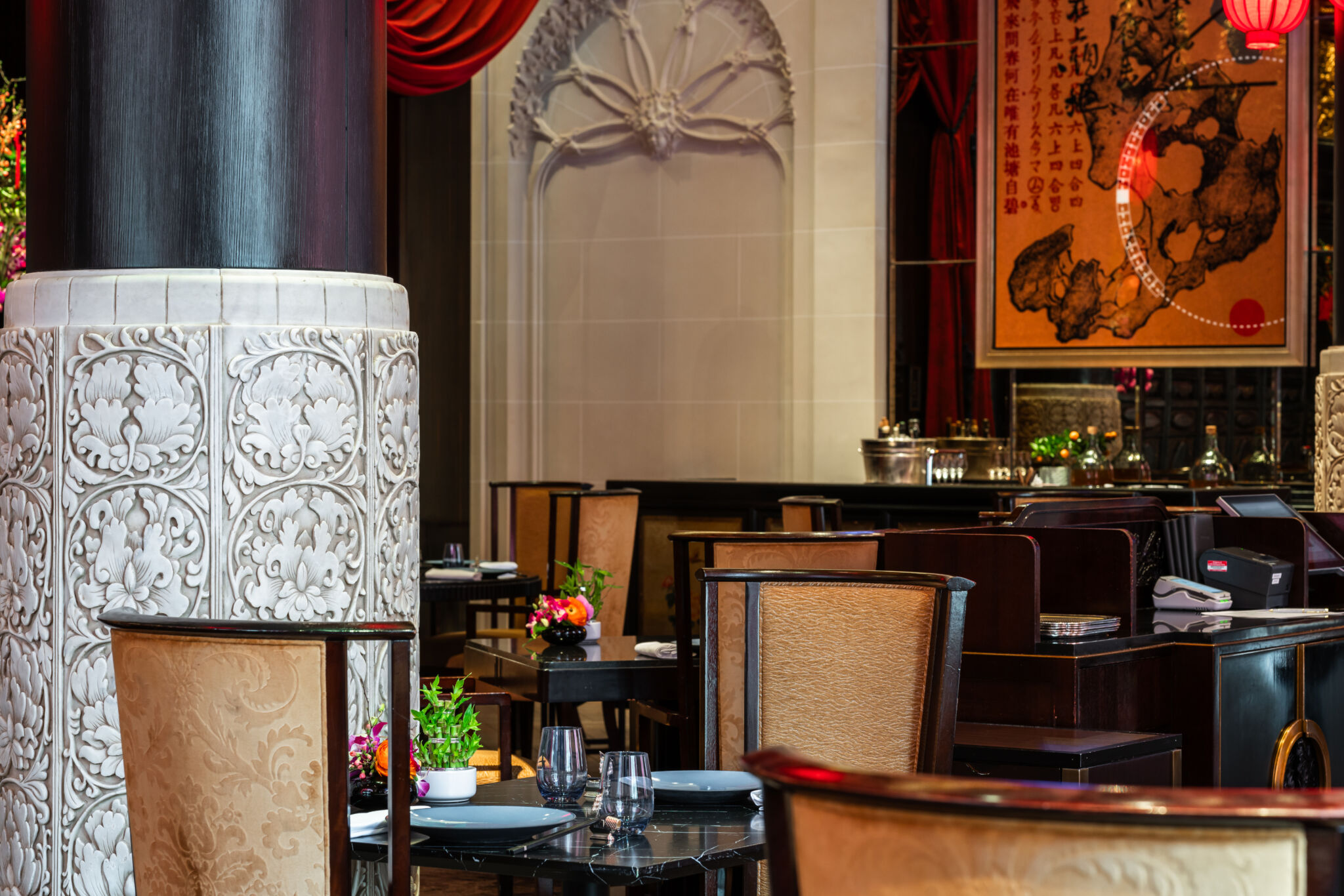
At LiLi, located within The Peninsula Paris, Cantonese cuisine takes on an unexpected new interpretation, bringing together Asian culinary traditions and the elegance of Paris. The restaurant’s interior and atmosphere seem to exist at the intersection of two cultures, where classical architecture meets expressive Asian accents. At the beginning of the evening, the space feels intimate and serene, gradually becoming more animated as guests arrive. The culinary concept is overseen by chefs Tak Lau Yuen and David Bizet, who bring together Cantonese tradition and a French approach. The menu features dim sum, Peking duck and signature dishes in which respect for classic recipes is combined with a curiosity for new flavour combinations.

Photo: PR The Peninsula Paris
Particular attention is paid to detail, and one of the most distinctive touches can be found right on the table. Chopsticks are presented in two pairs: one for individual dining and another for sharing dishes among the guests. Simple at first glance, this detail reflects an important principle of Chinese dining culture, where sharing a meal becomes an integral part of the gastronomic ritual. Equally expressive are the small chopstick rests shaped like traditional Chinese junks. These miniature wooden boats, complete with stylised sails, seem to bring the imagery of old China to the table, transforming an everyday piece of tableware into a subtle historical reference.

Photo: PR The Peninsula Paris
While guests choose their dishes, caramelised walnuts are served at the table — golden, glossy and exceptionally crisp thanks to their delicate layer of caramel. In Chinese tradition, such walnuts are known as “amber walnuts” and are associated not only with gastronomic pleasure but also with prosperity, health and abundance. Their golden hue is particularly fitting within festive culture, where sweetness is linked to wishes for a happy year, while gold symbolises good fortune and prosperity.
If you are visiting LiLi, one dish that is particularly worth trying is the restaurant’s signature caramelised duck, whose presentation turns dinner into a true gastronomic performance. It is prepared so that the skin develops a rich golden-brown colour and distinctive crisp texture while the meat remains tender and succulent. The most theatrical moment takes place at the table, when the chef slices the duck with a special long knife directly in front of the guests. Each slice is carefully cut with both the crisp skin and tender meat, before being wrapped in a thin pancake with spring onion, cucumber and sauce. It is this entire sequence — from preparation to presentation — that transforms a familiar dish into a complete gastronomic ritual.

Photo: PR The Peninsula Paris
Sauces also play an important role at the restaurant, treated not simply as accompaniments but as an essential part of the flavour composition. Among them are the renowned XO Sauce, fermented black bean sauce and the signature Chef’s Sauce. XO Sauce is particularly closely associated with modern Cantonese cuisine in Hong Kong, its intense flavour built around dried scallops, dried shrimp, Jinhua ham and chilli. The black bean sauce, meanwhile, develops a deep umami character from fermented black beans, garlic, ginger and chilli. Together, these elements create a gastronomic experience in which Cantonese tradition remains instantly recognisable while taking on a distinctly Parisian interpretation.

Photo: PR The Peninsula Paris
LiLi offers precisely this approach to Chinese cuisine — one that remains attentive to its cultural context, techniques and rituals, while embracing contemporary interpretation. And perhaps, when in Paris, it is sometimes worth stepping away from the well-trodden paths and setting out in search of new flavours, traditions and experiences.