Art becomes Fashion: 7 celebrity looks from the Met Gala 2026 and their references from the art world
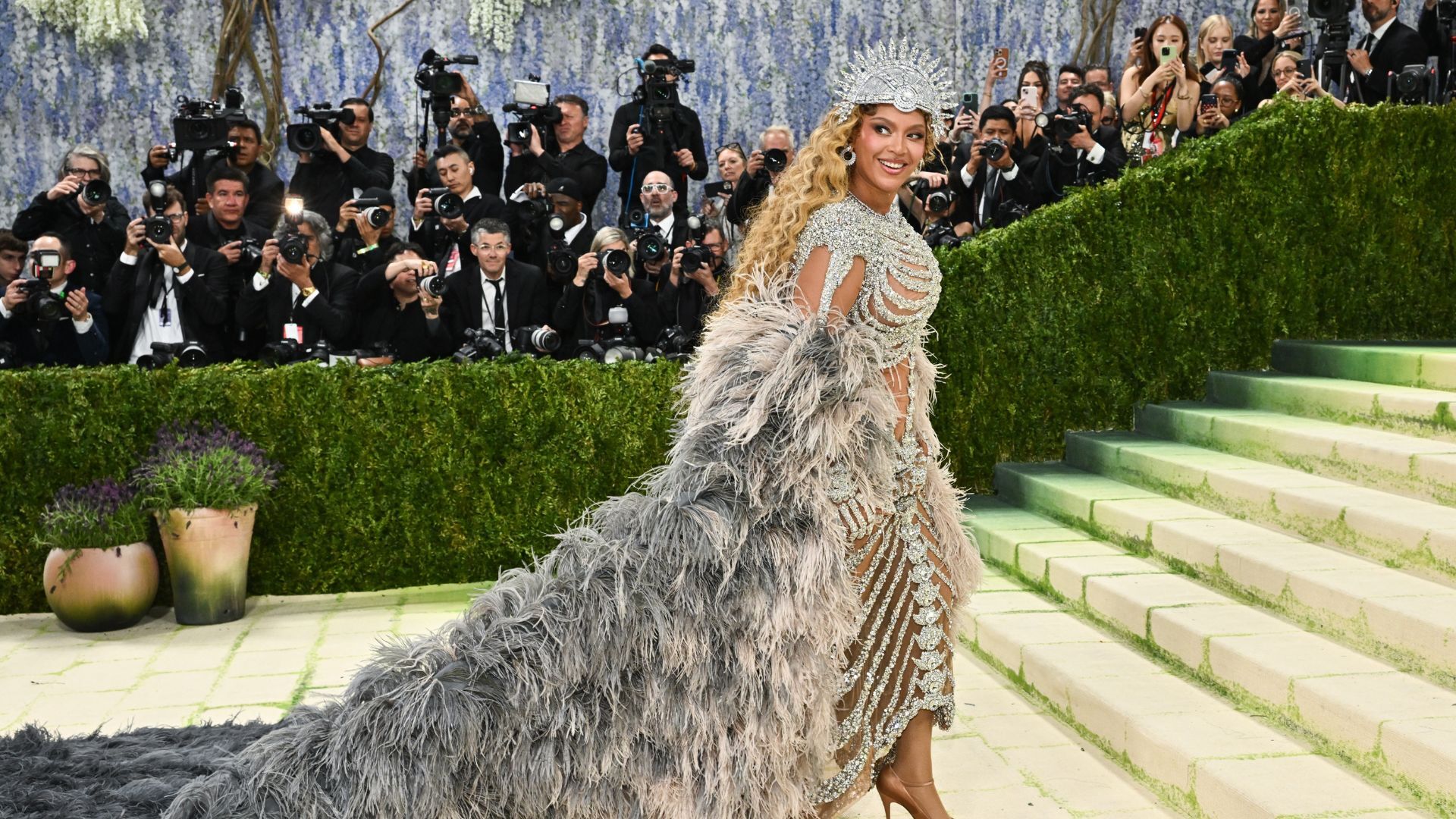
The Met Gala is not only about showing recent trends to the world. It is also one of the most powerful cultural events for attracting attention to The Metropolitan Museum of Art, raising funds for its Costume Institute, and opening questions that the whole world can hear.
This year, the theme was “Costume Art”, with the official dress code “Fashion Is Art.” The Costume Institute’s 2026 exhibition explores the relationship between clothing, the body, and artworks from The Met’s collection — so naturally, many guests arrived not simply dressed, but almost transformed into living paintings and sculptures.
Here are seven of the most memorable looks from this year’s Met Gala and the artworks that shaped them.

1. Rachel Zegler — Paul Delaroche, The Execution of Lady Jane Grey
Rachel Zegler’s look became one of the clearest examples of fashion turning into a painting. Her white dress and sheer blindfold directly referenced Paul Delaroche’s dramatic 1833 artwork The Execution of Lady Jane Grey. The result felt quiet, theatrical, and instantly recognisable — a red-carpet moment built around tension, softness, and historical tragedy.

2. Madonna — Leonora Carrington, The Temptation of St. Anthony. Fragment II
Madonna chose a surrealist path, referencing Leonora Carrington’s The Temptation of St. Anthony. Fragment II. Instead of a literal recreation, the look carried the strange, mystical energy of Carrington’s world: part dream, part ritual, part rebellion. It was a reminder that fashion can reference not only the form of an artwork, but also its atmosphere.

3. Kendall Jenner in GapStudio by Zac Posen — Winged Victory of Samothrace
Kendall Jenner’s custom GapStudio look by Zac Posen was inspired by the ancient Greek sculpture Winged Victory of Samothrace. The draped fabric, sculptural construction, and sense of movement echoed the statue’s famous wind-swept silhouette. Vogue described the look as a modern interpretation of the sculpture’s wet-drapery effect, built from cotton-viscose, chiffon, organza, and a sculptural corset.

4. Charli XCX in Saint Laurent — Vincent van Gogh, Irises
Charli XCX wore Saint Laurent by Anthony Vaccarello, referencing Vincent van Gogh’s Irises through the history of Yves Saint Laurent’s spring-summer 1988 collection. Her black gown featured an iris motif made in resin, turning Van Gogh’s expressive flower into a dark, modern, almost sculptural detail. It was less about copying the painting and more about translating its emotion into a contemporary Saint Laurent language.

5. Gracie Abrams in Chanel — Gustav Klimt’s Golden Period
Gracie Abrams appeared in a golden Chanel gown that was widely connected to Gustav Klimt’s work, especially his Golden Period. Several sources linked the look to The Kiss and Portrait of Adele Bloch-Bauer I, both known for their rich gold surfaces, decorative pattern, and luminous texture. The dress worked because it did not need to explain the reference too loudly — it simply shimmered like a Klimt painting brought into movement.

6. Venus Williams in Swarovski — Robert Pruitt, Venus Williams, Double Portrait
Venus Williams wore a crystal mesh Swarovski gown inspired by Robert Pruitt’s 2022 portrait Venus Williams, Double Portrait, commissioned by the National Portrait Gallery. This was one of the most personal references of the night: instead of embodying a historical muse, Venus stepped into an artwork made about herself. The gown and necklace echoed the portrait while also honouring her career, legacy, and family story.

7. Julianne Moore, Rosie Huntington-Whiteley and Lauren Sánchez Bezos — John Singer Sargent, Madame X
One of the strongest repeated references of the night was John Singer Sargent’s Madame X. Julianne Moore, Rosie Huntington-Whiteley, and Lauren Sánchez Bezos all drew from the portrait’s powerful visual language: the black dress, exposed shoulders, controlled elegance, and the famous fallen strap. For Lauren Sánchez Bezos, the reference was especially direct through her custom Schiaparelli gown, while Julianne Moore’s Bottega Veneta look used the slipped-strap detail as a subtle but sharp art-historical nod.
In the end, the best looks of Met Gala 2026 were not just beautiful outfits. They became translations: from canvas to fabric, from sculpture to silhouette, from museum wall to red carpet. This year proved that when fashion works with art thoughtfully, it does more than decorate the body — it gives old images a new life.