The Schiaparelli Exhibition in London. When Fashion Becomes Art
Fashion has long moved beyond the wardrobe. A jacket can be a point of view, a shoe — a gaze, and a handbag — almost a religion. More and more often, fashion becomes a language through which we speak about culture, the body, female freedom, fantasy, and the right to be strange, bold, and inconvenient.
And if there was one designer who truly lived by this idea, it was Elsa Schiaparelli.

At London’s Victoria & Albert Museum, the exhibition “Schiaparelli: Fashion Becomes Art” has opened, dedicated to the designer who turned fashion into a space of surrealism, experimentation, and intellectual play. The exhibition traces the history of the House of Schiaparelli from its founding to the present day, including works by Elsa herself as well as designs by the brand’s current creative director, Daniel Roseberry.
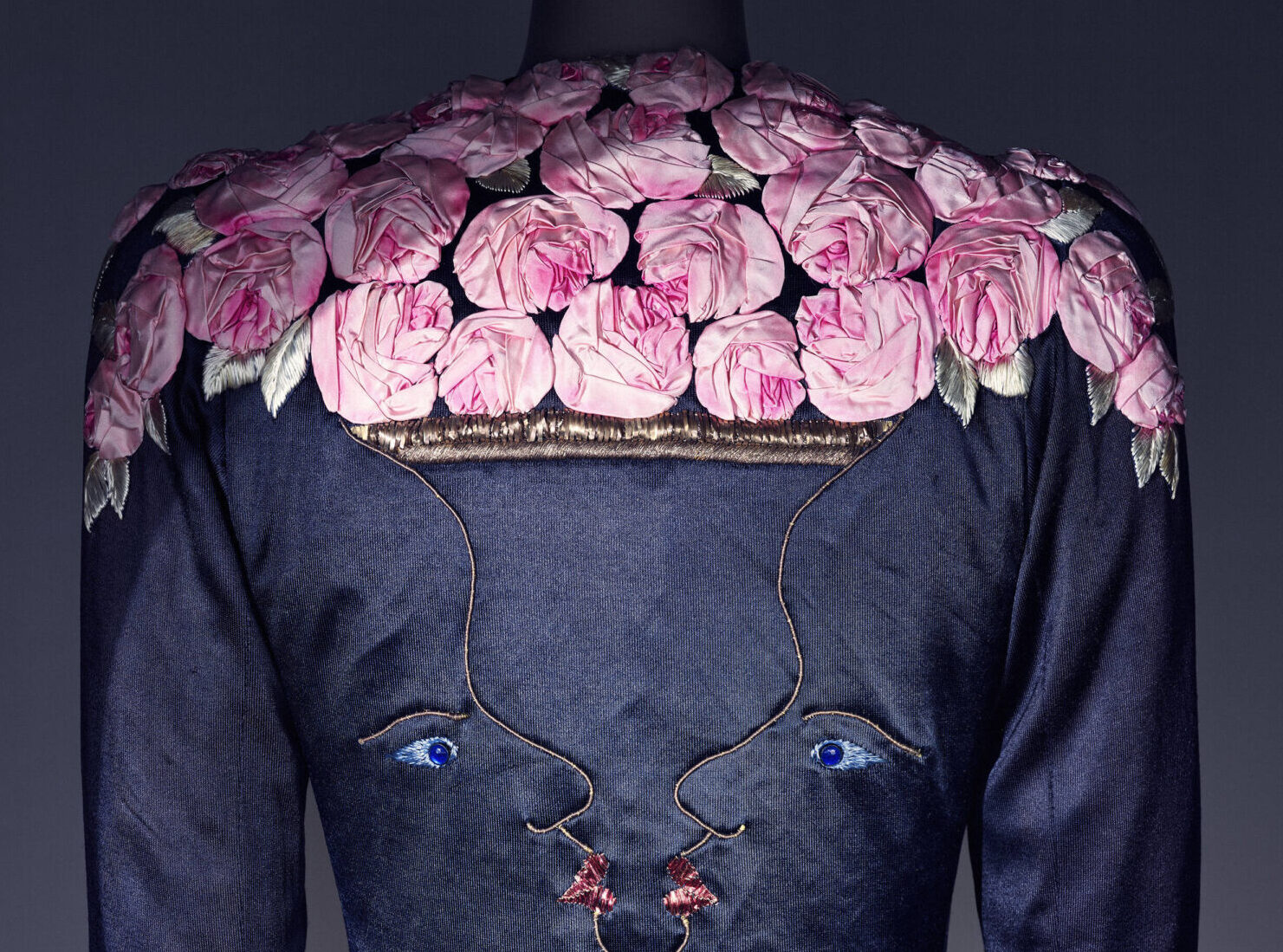
Schiaparelli always existed somewhere between fashion and art. She collaborated with Salvador Dalí and Jean Cocteau, working with images that stood on the edge between beauty and unease, classicism and absurdity. Her famous Skeleton Dress from the 1938 Circus collection, created in collaboration with Dalí, will be one of the key exhibits. The exhibition will also feature a 1937 evening coat embroidered with the profiles of two faces, based on a sketch by Jean Cocteau.


This is precisely where the magic of Schiaparelli lies: her pieces are often built on very clear, almost classical silhouettes, but one unexpected gesture completely changes their perception. An evening dress can be elegant — until a lobster appears on it. A jacket can look perfectly tailored — until its details begin to resemble fragments of a surrealist dream.
The V&A also highlights Schiaparelli’s connection to London: according to curator Sonnet Stanfill, Britain was an important source for the designer not only in terms of fabrics, but also clients, while her London house helped spread Schiaparelli’s “shocking” ideas beyond Paris.


But this exhibition matters not only as a look into the archive. It shows why Schiaparelli feels so surprisingly contemporary again. In an era when fashion is constantly searching for new ways to astonish, Elsa Schiaparelli reminds us that provocation only works when there is an idea behind it.
As Roseberry says, there is a “before and after Elsa Schiaparelli.” And it seems this is exactly what the V&A exhibition is trying to show: this is not simply the story of one fashion house, but the story of a woman who changed the very idea of what clothing could be.
And perhaps that is why Schiaparelli still does not look like the past, but like a future that arrived too early.
The exhibition runs until 8 November 2026.

Courtesy of photo: https://www.vam.ac.uk/exhibitions/schiaparelli