Tak Lau Yuen: «Behind a dish that may appear simple, there is often a great deal of technique, time and experience»
The Chef de Cuisine of LiLi at The Peninsula Paris on the philosophy of Cantonese cuisine, the traditions of Chinese hospitality and the meeting of two culinary cultures
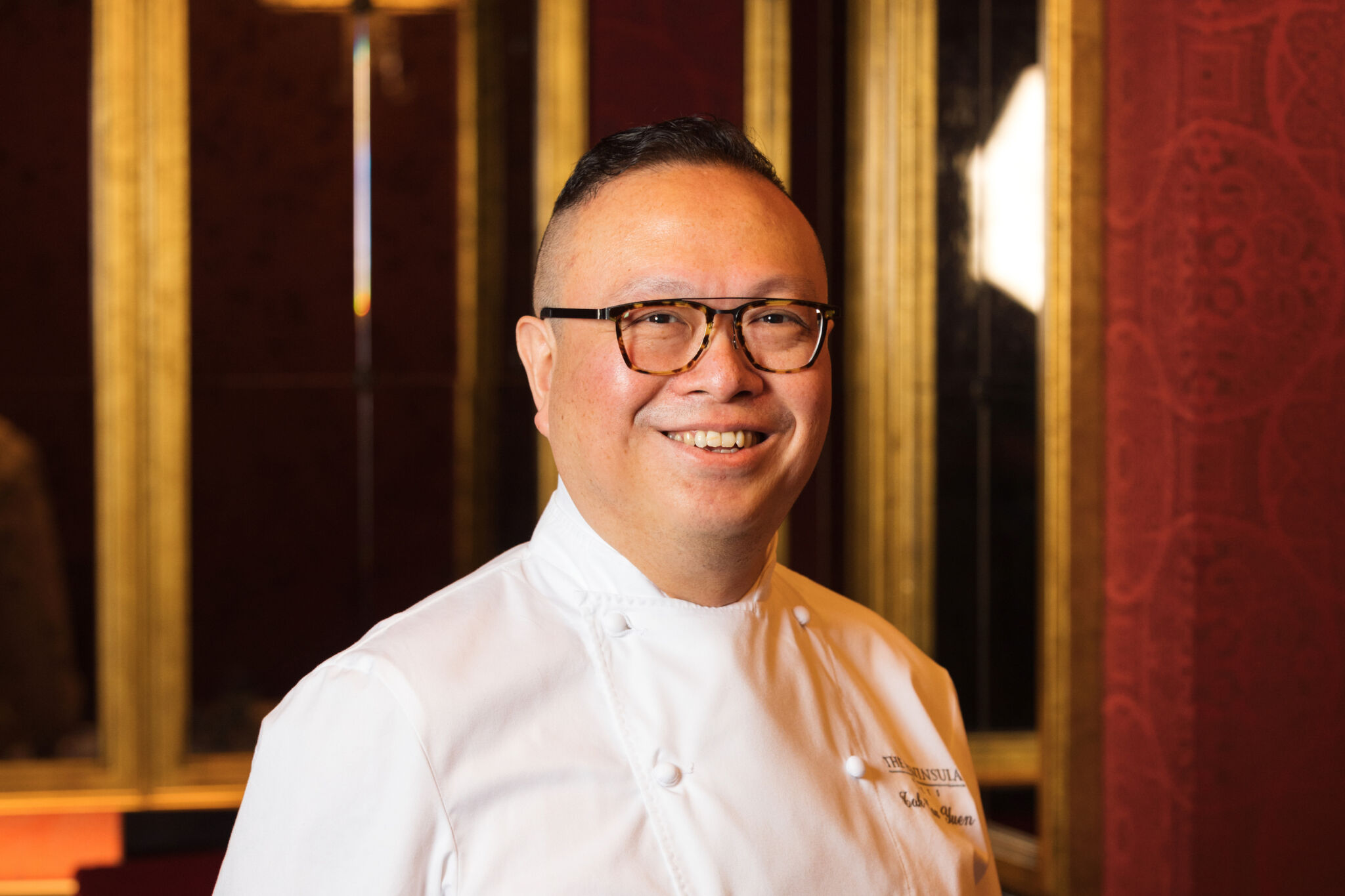
Tak Lau Yuen’s journey into gastronomy began at the age of six, when his family moved from Hong Kong to France and opened their own restaurant. Watching his father, a professional chef, he became familiar with the subtleties of Chinese cuisine from an early age. He later pursued formal culinary training, specialising in French gastronomy. Today, Tak Lau Yuen leads the kitchen at LiLi, the celebrated restaurant at The Peninsula Paris, where he has been involved in shaping its culinary identity since its opening in 2014. Together with the hotel’s Executive Chef, David Bizet, he fosters a subtle dialogue between French and Chinese culinary traditions, preserving the authenticity of Cantonese cuisine while exploring new dimensions of familiar flavours. In an exclusive interview with ELLE Uzbekistan, the chef discusses Hong Kong’s culinary heritage, the art of working with ingredients, the culture of Chinese hospitality and the inspiration that emerges at the intersection of two gastronomic worlds.
How has living and working in Paris shaped you, both personally and professionally? What has surprised you most about the city?
Paris has taught me to approach cuisine with an even more open mind. It is a city where cultures meet and where diners are curious, but also demanding. Working at The Peninsula Paris has allowed me to experience this cultural exchange first-hand. I have been particularly struck by the diversity of ingredients, the richness of culinary traditions and the respect for seasonality. All of this encourages me to remain true to my roots while continuing to learn.
Are there any aspects of French culture or the Parisian way of life that have changed your perspective on gastronomy, hospitality or the art of dining?
Yes, particularly the attention paid to ingredients, seasonality and the way a meal is structured. I also appreciate the care given to presentation and service. These elements influence my thinking while reminding me of the essentials of Cantonese cuisine: precision, balance and flavour.
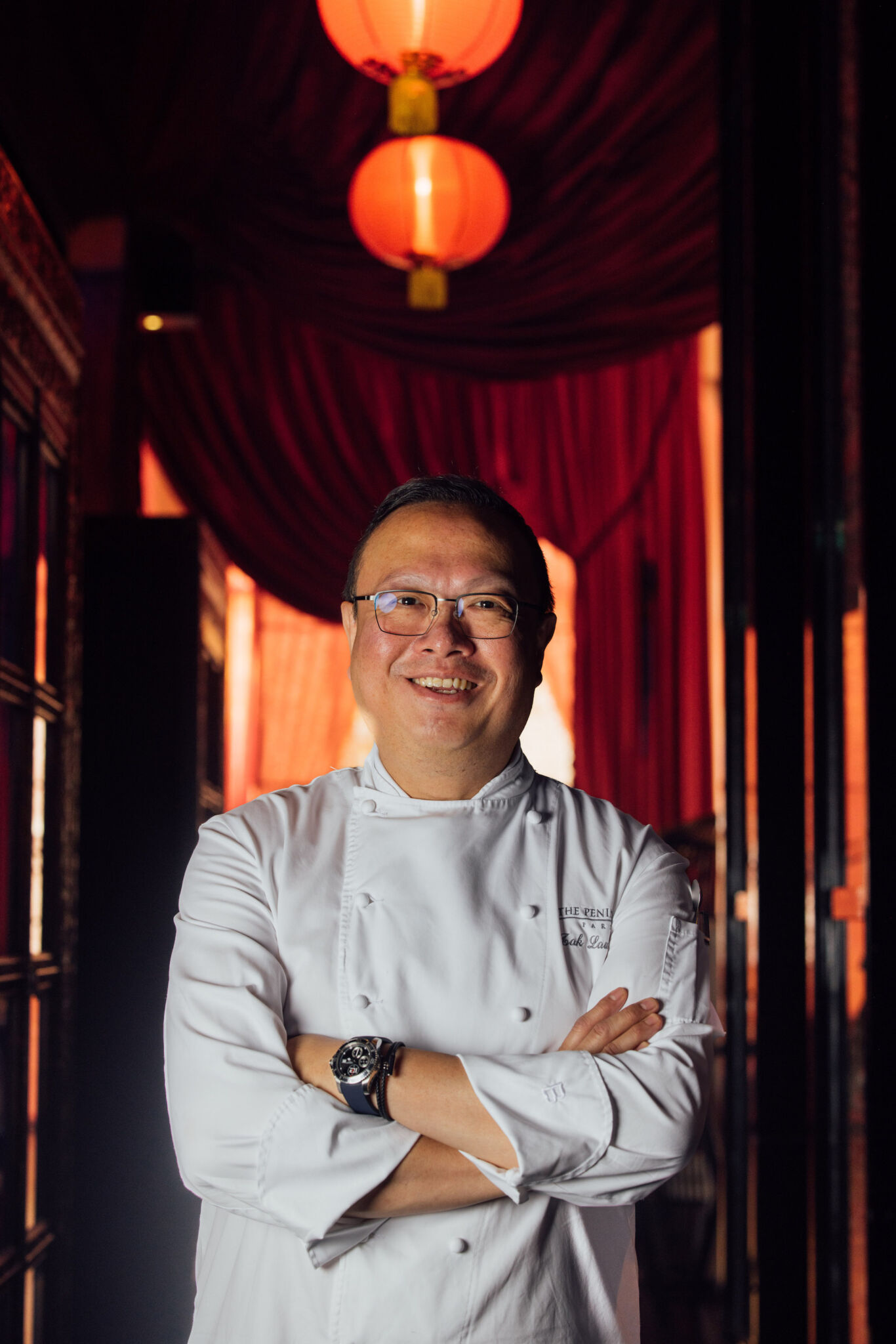
PHOTO: PR THE PENINSULA PARIS
When you are not in the kitchen, where do you like to go in Paris? Is there a particular restaurant or place in the city that inspires you?
I enjoy discovering traditional French restaurants, as they offer a way to understand a culture through its recipes, ingredients and techniques. I am also drawn to markets, where you can observe the changing seasons and the quality of the produce. For a chef, inspiration does not come solely from a great restaurant; it can also arise from an encounter, an ingredient or a simple expression of craftsmanship.
What defines Cantonese cuisine, and what distinguishes it from other regional culinary traditions in China?
Cantonese cuisine places great importance on the freshness of ingredients and the precision of cooking. The aim is to bring out the natural flavour of each ingredient rather than mask it. Steaming, quick wok cooking, broths and soups are all important expressions of this approach. Seasoning must be precise, as balance and subtlety matter just as much as intensity.
How do you preserve the authenticity of Cantonese cuisine while working with French ingredients and adapting to a European clientele?
Most of my team are Chinese chefs from Hong Kong, working in keeping with the spirit and techniques of Cantonese cuisine. It is essential to me that we uphold the values and discipline of Chinese cooking. Collaborating with Chef Bizet at The Peninsula Paris also gives us the opportunity to exchange ideas about French ingredients and techniques, learn from one another and enrich our approach while remaining faithful to our culinary identity.
Which misconceptions about Chinese cuisine would you most like to dispel among French diners?
I would like to show that Chinese cuisine is incredibly diverse and cannot be reduced to the few dishes that are best known in Europe. Cantonese cuisine, in particular, can be delicate, precise and deeply respectful of the ingredients. It requires great mastery of cooking techniques and seasoning. Behind a dish that may appear simple, there is often a great deal of technique, time and experience.
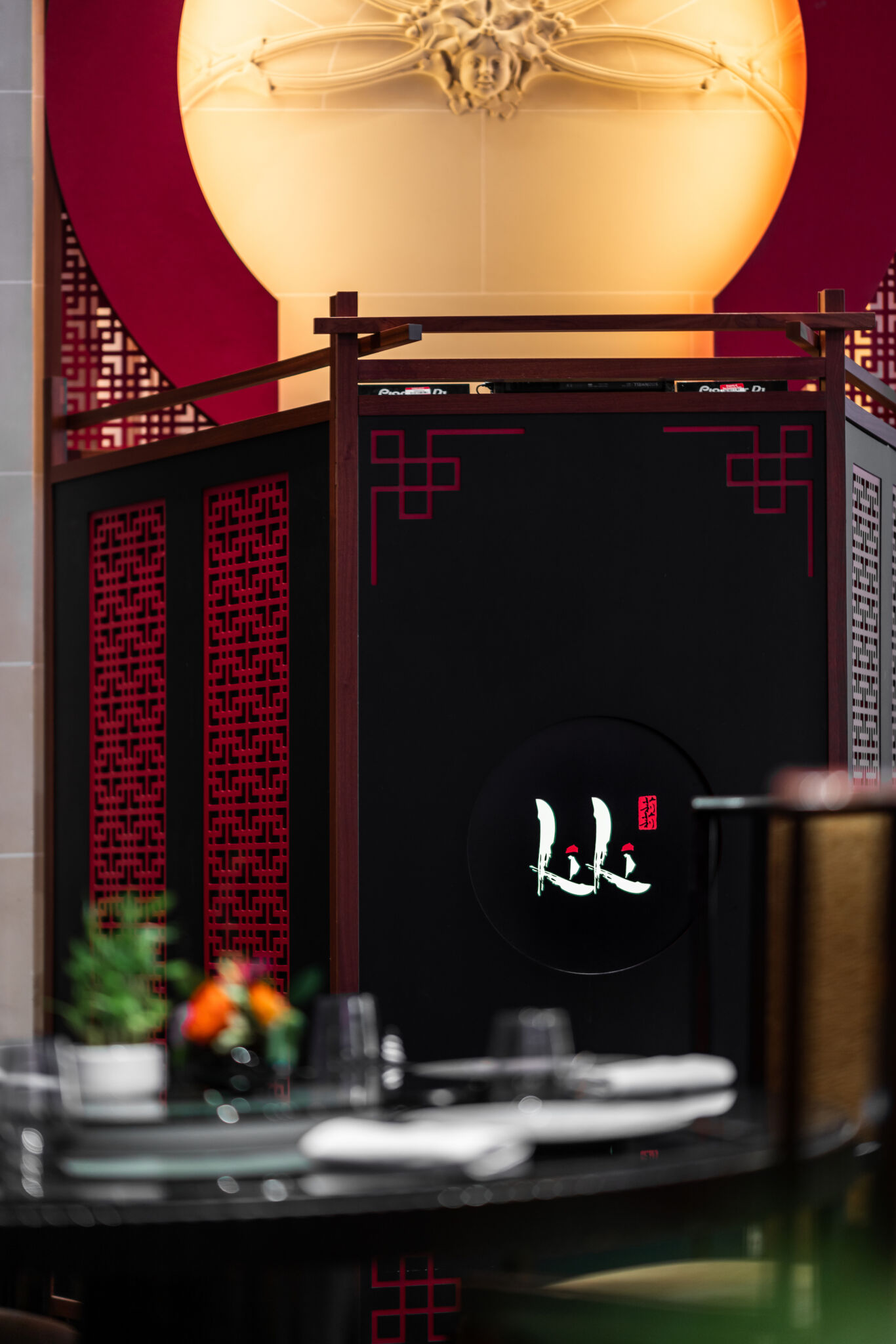
PHOTO: PR THE PENINSULA PARIS
At LiLi, gastronomy is closely linked to the art of presentation and the rituals of dining. What role do these traditions play in Chinese culture, and what do they reveal about the country's heritage?
In Chinese culture, a meal is as much about sharing as it is about tasting. Dishes are often placed in the centre of the table so that everyone can sample a variety of preparations. Presentation, colours and the balance of the meal all contribute to the experience. These traditions reflect a particular vision of hospitality: welcoming guests, offering variety and ensuring that everyone feels at home around the table.
Guests are provided with two pairs of chopsticks, while small Chinese junks serve as chopstick rests. What is the significance of these details, and why do they contribute to the overall dining experience?
These details reflect both practicality and respect for dining customs. One pair of chopsticks is used to serve food from the shared dishes, while the other is used to eat. The chopstick rest allows guests to set their chopsticks down neatly between bites. These small gestures encourage diners to take their time and enjoy the experience of sharing a meal.
Sharing a meal holds a central place in Chinese culture. What do you think Europeans could learn from this tradition?
Sharing reminds us that a meal is, above all, a collective experience. Rather than each person choosing a single dish, everyone discovers several preparations together, exchanges impressions and samples different flavours. This creates a more lively and convivial experience. I believe this way of dining encourages curiosity, generosity and greater consideration for those sharing the table.
Duck holds a special place in Chinese gastronomy. What is the secret to preparing it perfectly, and why is carving it in front of guests an integral part of the dining experience?
It all begins with the quality of the ingredient and mastery of every stage of preparation. The seasoning, cooking and treatment of the skin must all be perfectly controlled. The contrast between crisp skin and tender meat is essential. Carving the duck in front of guests adds a theatrical dimension, but above all, it showcases the chef's expertise. The technique, precision and service are all integral to the pleasure of the experience.
XO sauce is considered one of the defining ingredients of Cantonese cuisine. What characterises its distinctive aromatic profile, and why are ingredients such as dried scallops and dried shrimp essential to its flavour?
XO sauce is distinguished by its remarkable depth of flavour: it is briny, savoury, slightly spicy and rich in umami. Dried scallops and dried shrimp provide a concentration of flavour and a complexity that fresh ingredients alone cannot achieve. Combined with garlic, chilli and other aromatics, they give the sauce its bold character and lingering finish. It is an expressive sauce that must be used with precision.
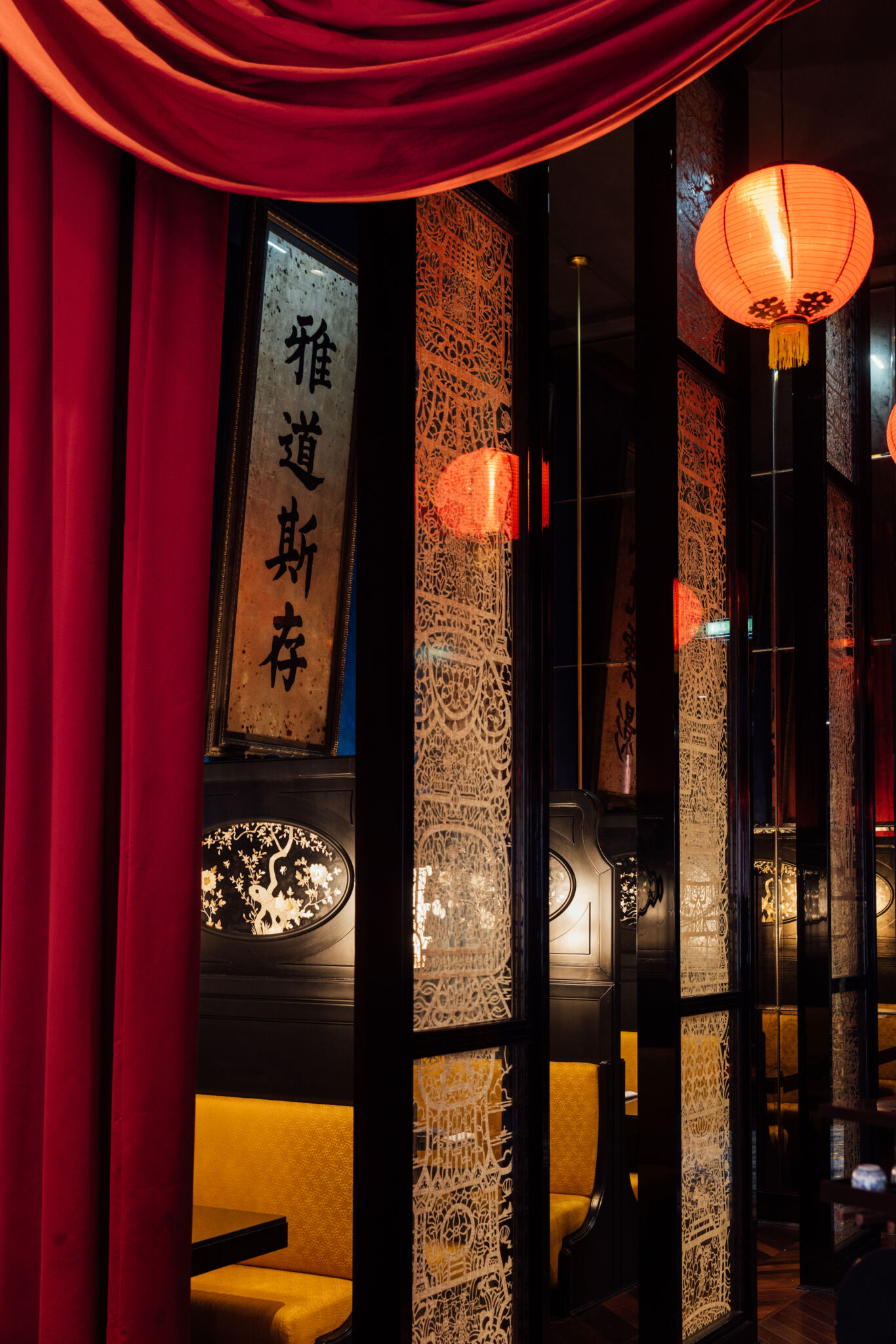
PHOTO: PR THE PENINSULA PARIS
If you had to introduce a diner to Cantonese cuisine through three dishes from the LiLi menu, which would you choose and why?
I would start with dim sum, which illustrates the delicacy of the craftsmanship and the importance of texture. Next, I would choose duck, a generous and iconic dish that showcases mastery of cooking and service. Finally, fried rice or a wok-cooked dish would demonstrate precision over the heat and the balance of seasonings. Together, these three choices offer a glimpse into the different facets of Cantonese cuisine: delicacy, generosity and technique.
Are there any French ingredients or culinary techniques that inspire you to create new interpretations of Cantonese cuisine?
Yes, the exchange between the two cultures is very stimulating. French ingredients, particularly seasonal produce, can offer new possibilities, while Cantonese techniques allow us to work with them in different ways. Discussions with Chef Bizet about ingredients and cooking methods open up interesting avenues. The aim is not to combine things simply for the sake of it, but to find a meaningful meeting point where each tradition retains its own identity.
If you had to express the philosophy of Cantonese cuisine through a single dish, which would you choose and why?
I would choose dim sum because it represents, to me, the balance between precision, apparent simplicity and generosity. Its success depends on numerous details: the dough, filling, seasoning and cooking must all be perfectly mastered. It is also a dish that lends itself naturally to sharing and invites discovery. For me, it captures the spirit of Cantonese cuisine: respecting the ingredients, seeking balance and bringing pleasure to diners.